
 EN
EN



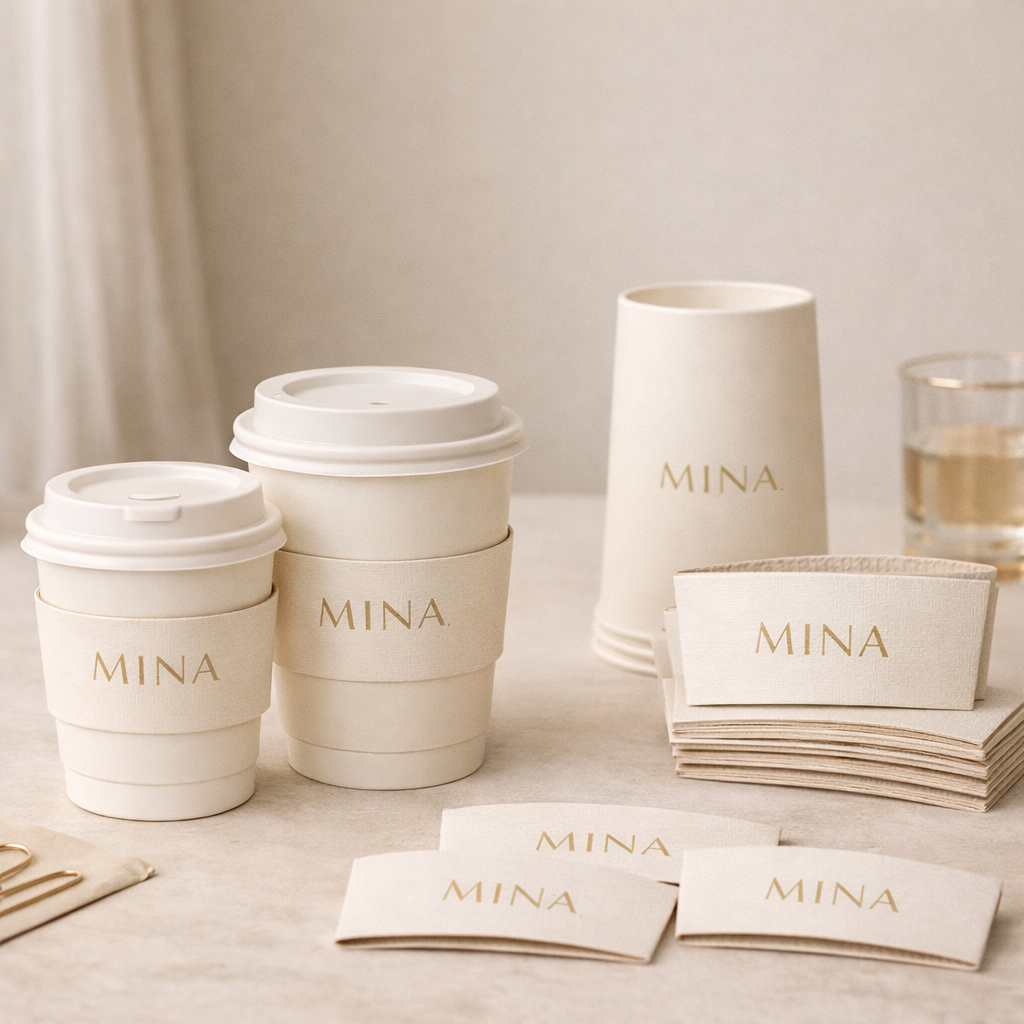
Why Coffee Paper Cups Define Compostable Packaging Success
Coffee paper cups represent the ultimate test case for compostable packaging innovation due to their massive scale and demanding technical requirements. Billions are discarded annually—yet traditional polyethylene-lined cups contaminate recycling streams and persist in landfills for decades. This makes them a critical focus for sustainable material transitions.
Compostable alternatives must solve three core challenges simultaneously:
- Withstand 95°C liquids without leakage
- Maintain structural integrity during transport and storage
- Decompose within 90 days in commercial composting facilities
Their success would signal viability for other packaging formats, since coffee cups demand the highest performance bar. Failure creates disproportionate environmental impact: conventional cups generate over 1.4 million tonnes of plastic waste each year. The solution requires more than material science—it demands aligned infrastructure investment and consumer behavior shifts. When coffee paper cups transition successfully to certified compostable solutions, they create a scalable blueprint for transforming foodservice packaging industry-wide.
Material Innovation: PLA vs. PHA Linings in Coffee Paper Cups
Performance trade-offs: heat resistance, leak barrier, and shelf life
PLA (polylactic acid) linings deliver strong heat resistance for hot beverages—maintaining integrity up to 110°F (43°C)—but become brittle over time, increasing risk of micro-cracks during extended storage. PHA (polyhydroxyalkanoates), by contrast, offers superior flexibility and oil- and acid-resistant barrier performance—ideal for lattes or citrus-infused coffees—though it begins softening above 95°F (35°C). Shelf life reflects another key distinction: PLA retains its functional barrier for 6–8 months under dry, ambient conditions; PHA’s inherent biodegradability initiates earlier, typically within 3–5 months, which may limit long-term inventory stability.
Compostability certification pathways (ASTM D6400, EN 13432) and real-world breakdown timelines
Certification under ASTM D6400 or EN 13432 confirms that materials fully biodegrade within 180 days under controlled industrial composting conditions—specifically at 60°C with active microbial presence. While both PLA and PHA meet these lab-based standards, real-world performance diverges significantly. In suboptimal facilities—where temperature, moisture, or aeration fall short—PLA-lined coffee cups often take 18–24 months to decompose. PHA breaks down more reliably, achieving ~90% degradation in as little as 120 days across diverse settings, including anaerobic digesters. Crucially, neither material degrades meaningfully in landfills: without oxygen, moisture, and microbial activity, certified compostable cups stall for decades—underscoring that certification alone doesn’t guarantee environmental benefit.
The Greenwashing Gap: Labeling Confusion and Composting Infrastructure Reality
How 'compostable' claims mislead without access to certified commercial composting
Many coffee paper cups carry “compostable” labels despite requiring industrial composting infrastructure unavailable to most consumers. With over 400 global eco-labels in circulation—and fewer than 35% of U.S. counties offering municipal composting programs—certified cups routinely end up in landfills or recycling streams. This accessibility gap allows manufacturers to prioritize marketing appeal over verifiable end-of-life outcomes, eroding consumer trust and diluting the environmental intent behind compostable design.
Contamination risks in municipal streams and impact on coffee paper cups specifically
Even small amounts of contamination compromise compost quality: a single non-compostable item in every 100 can render an entire batch unusable. Coffee paper cups pose acute risk when paired with non-degradable seals, laminates, or sleeve adhesives—components that survive processing and introduce persistent plastics into finished compost. Such contamination forces facilities to reject loads outright, diverting otherwise viable organic waste to landfills and undermining legitimate sustainability efforts. Industry-wide component standardization and unambiguous, context-aware disposal labeling are essential to mitigate this systemic vulnerability.
B2B Adoption Drivers: From Consumer Demand to Regulatory Mandates
Gen Z/millennial influence on QSR and café procurement decisions
Sustainability preferences among Gen Z and millennials now directly shape foodservice procurement. According to the 2023 Gen Z Consumer Ethics Report, 68% actively avoid brands with poor environmental records—and 74% say packaging sustainability influences their purchase decisions. As these cohorts assume leadership roles across quick-service restaurants (QSRs) and independent cafés, their values translate into concrete supply chain requirements: operators increasingly mandate third-party-certified compostable coffee paper cups as part of vendor onboarding and contract renewals.
Local ordinances and corporate ESG targets accelerating coffee paper cup transitions
Regulatory pressure is intensifying alongside voluntary commitments. Seattle’s foodware ordinance prohibits petroleum-based linings in disposable cups, while New York City requires all takeout packaging—including coffee paper cups—to be certified compostable by 2025. Simultaneously, ESG frameworks embed packaging sustainability into executive KPIs and investor disclosures. Distributors and brands are proactively transitioning ahead of deadlines—not only to comply but to future-proof operations and strengthen brand credibility. This convergence of policy, procurement, and performance accountability is rapidly shifting the market from aspiration to execution.
FAQ
Why are coffee paper cups significant in compostable packaging?
Coffee paper cups are produced on a massive scale and face unique technical challenges like withstanding high temperatures, maintaining structural integrity, and decomposing quickly. Their success in using compostable materials would set a benchmark for other packaging formats.
What are the differences between PLA and PHA linings in coffee cups?
PLA offers strong heat resistance and a longer shelf life, but it may develop micro-cracks over time. PHA is more flexible and biodegradable, but its shelf life is shorter, and it performs poorly at high temperatures.
Do compostable coffee cups decompose in landfills?
No, compostable coffee cups like those made from PLA or PHA require industrial composting conditions to decompose. In landfills, they behave like conventional plastics and can persist for decades.
Why are compostable labels considered misleading?
Many products labeled as compostable require industrial composting facilities, which are not widely accessible. Most consumers lack access to these facilities, and the cups often end up in landfills instead, creating confusion and reducing environmental impact.
What role do regulations play in promoting compostable coffee cups?
Regulations like Seattle’s foodware ordinance and policies requiring certified compostable packaging are pushing businesses to adopt sustainable materials. These measures, along with corporate ESG targets, are driving widespread industry adoption of compostable coffee cups.
Table of Contents
- Why Coffee Paper Cups Define Compostable Packaging Success
- Material Innovation: PLA vs. PHA Linings in Coffee Paper Cups
- The Greenwashing Gap: Labeling Confusion and Composting Infrastructure Reality
- B2B Adoption Drivers: From Consumer Demand to Regulatory Mandates
-
FAQ
- Why are coffee paper cups significant in compostable packaging?
- What are the differences between PLA and PHA linings in coffee cups?
- Do compostable coffee cups decompose in landfills?
- Why are compostable labels considered misleading?
- What role do regulations play in promoting compostable coffee cups?