
 EN
EN



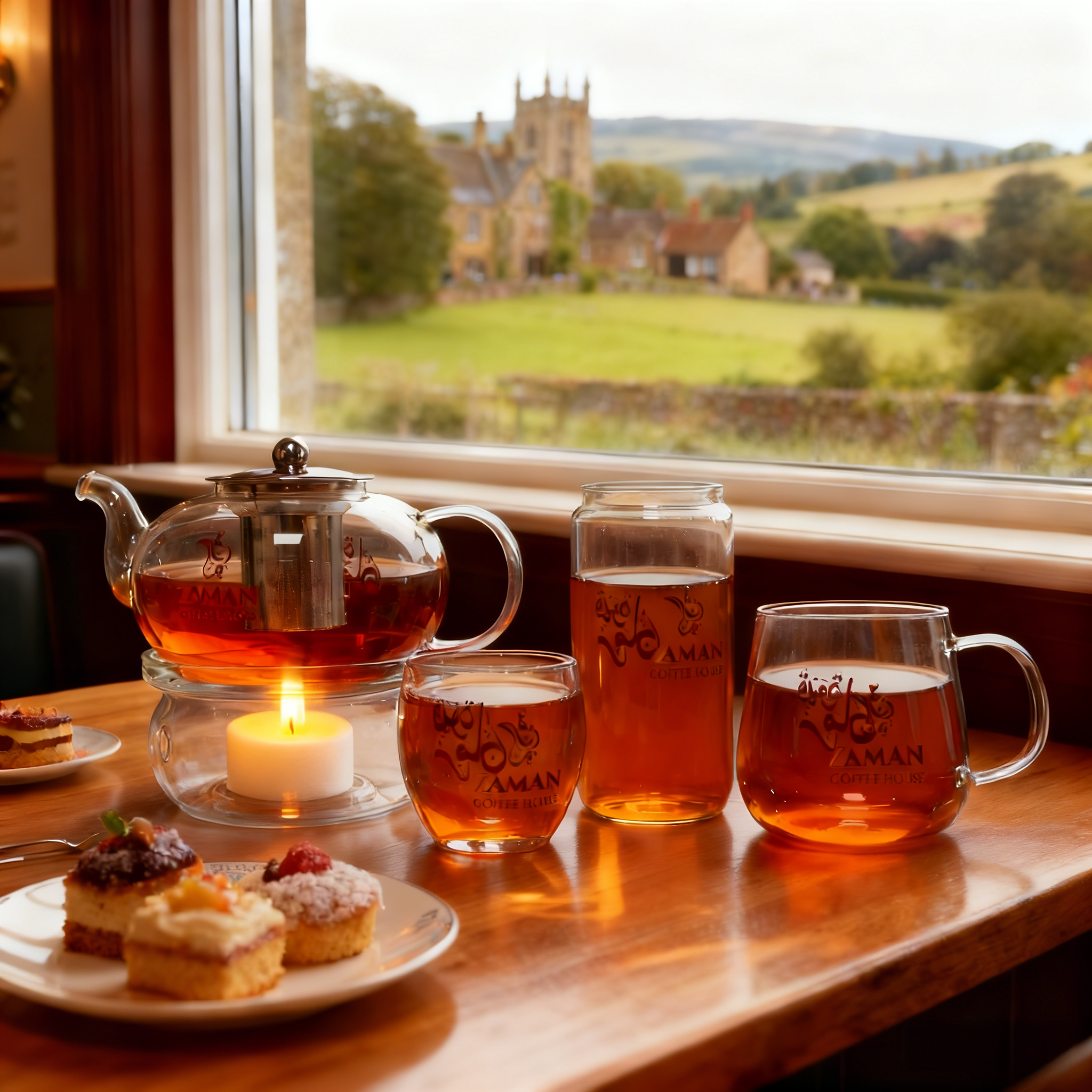
The Science of Bar Glasses: Aroma, Temperature, and Visual Perception
Glass shape and volatile compound delivery: Engineering the nose-to-glass pathway
Up to 80% of flavor perception arises from aroma—not taste alone. Bar glass shape functions as a precision-engineered conduit for volatile compounds, directing them toward the olfactory epithelium. A curved bowl with a narrowed rim traps ethanol vapors and key aromatic molecules, funneling them efficiently to the nose with each sip. Rim diameter governs concentration: snifters intensify bouquet through restriction, while coupes promote rapid aeration and dispersion. Broader bowls increase surface area, accelerating ester release—but at the cost of aromatic focus. Engineers optimize this nose-to-glass pathway by calibrating bowl curvature, liquid-to-rim distance, and rim angle—each parameter shaping the vapor stream’s trajectory. A tulip-shaped glass, for example, compresses the aromatic cloud to emphasize citrus or herbal top notes in gin-forward cocktails. Every contour is purpose-built: not merely functional, but perceptual—transforming drink delivery into a layered sensory prelude.
Thermal dynamics: How wall thickness, material mass, and surface-area-to-volume ratios preserve ideal serving temperature
Thermal performance is foundational to peak beverage expression. Wall thickness acts as a thermal buffer: heavier glasses slow conductive heat transfer from the hand, preserving chill in cold cocktails—but may delay initial cooling if served frozen. Material mass contributes thermal inertia—a dense rocks glass sustains stable temperature longer than a lightweight highball. Surface-area-to-volume ratio dictates heat exchange rate: tall, narrow flutes minimize air contact to keep champagne effervescent and cold; wide-rimmed snifters expose more surface, allowing spirits to warm slightly and release complexity. Stemmed designs eliminate direct palm contact, making them essential for martinis and other frosty serves. Material choice further refines thermal behavior: lead-free crystal offers clarity and stability, while borosilicate resists thermal shock—ideal for hot espresso poured over ice or nitro cold brew service. Each design decision—from stem presence to wall profile—is a deliberate thermal strategy ensuring every sip arrives at its intended temperature.
Bar Glasses Material & Design: Stem, Weight, Clarity, and Durability Trade-offs
Stemmed vs. stemless bar glasses: Balancing heat isolation, ergonomics, and back-of-house efficiency
Stems serve two critical functions: isolating chilled liquids from hand warmth and enabling controlled swirling to release aromas. Stemmed glasses like the Martini or coupe support sensory ritual—maintaining temperature and preventing smudges on the bowl—while reinforcing refined service aesthetics. Yet stems are the most common failure point in high-volume venues; industry data shows stemware accounts for 5–10% of annual glassware replacement costs (Bar Business, 2023). Stemless alternatives eliminate that fragility. Their low center of gravity improves stability, and stackable profiles save up to 30% shelf space—boosting back-of-house efficiency during rush service. The trade-off is accelerated warming from hand contact. For coffee service, double-wall borosilicate stemless glasses offer a pragmatic compromise: thermal separation without structural vulnerability. The choice ultimately reflects operational priorities—balancing guest-facing sensory integrity with behind-the-bar resilience.
Material impact on performance: Lead-free crystal, tempered glass, and borosilicate in commercial bar settings
Material selection directly shapes guest experience, durability, and long-term cost. The table below compares core performance attributes across the three most widely used commercial bar glass materials:
| Material | Clarity & Aesthetics | Thermal Shock Resistance | Impact Durability | Typical Use Case |
|---|---|---|---|---|
| Lead-free crystal | Exceptional brilliance, ultra-thin rims | Low; prone to cracking under rapid temperature shifts | Moderate; brittle under lateral stress | Fine dining, tasting menus, signature cocktails |
| Tempered glass | Good clarity, slightly thicker walls | Improved; withstands hot/cold extremes reliably | High; 4–5× stronger than annealed glass | High-volume bars, poolside service, casual dining |
| Borosilicate glass | Very clear, capable of ultra-thin profiles | Excellent; engineered for drastic thermal swings | Good; lightweight yet impact-resistant | Specialty coffee, nitro drinks, layered cocktails |
Lead-free crystal delivers unmatched optical quality and tactile refinement—but demands careful handling, raising replacement costs in fast-paced environments. Tempered glass strikes a durable, versatile balance, performing well across chilled cocktails and warm espresso martinis. Borosilicate—originally developed for labware—excels where thermal extremes are routine, such as nitro cold brew dispensing or hot espresso poured directly onto ice. Venues integrating both cocktail and coffee programs benefit most from a strategic material mix: crystal for occasion-driven moments, tempered for daily throughput, and borosilicate for temperature-critical applications.
Functional Pairing Guide: Matching Bar Glasses to Cocktails and Specialty Coffee
Classic cocktail vessels—Martini, Old Fashioned, Nick & Nora—and their sensory rationale
The V-shaped Martini glass directs volatile botanicals straight to the nose via its narrow rim, concentrating aromatic esters with surgical precision. Its stem maintains temperature—keeping the serve 2–3°C cooler than stemless alternatives (Beverage Engineering Report, 2022). The thick-walled Old Fashioned tumbler supports muddling, accommodates large-format ice for slow dilution, and positions the nose close to the spirit’s evolving aroma as the drink progresses. For stirred, spirit-forward cocktails, the Nick & Nora glass—a compact, inward-tapering coupe—offers superior stability and scent concentration. Its gentle curve traps delicate floral and citrus notes more effectively than a broad Martini bowl, delivering a focused, controlled olfactory experience. These pairings reflect applied physics: each vessel optimizes molecular release, thermal retention, and ergonomic interaction—not tradition alone.
Emerging coffee service applications: How bar glasses enhance cold brew, nitro, and layered espresso presentations
Specialty coffee bars increasingly adopt bar glasses to elevate temperature control, visual storytelling, and textural integrity. A double-walled borosilicate tulip glass extends cold brew’s optimal serving window—holding it at 4°C for up to 60 minutes longer than standard tumblers—preserving crisp acidity without dilution (Thermal Dynamics Lab, 2023). Its transparency also signals premium clarity and craftsmanship. For nitro coffee, a stemmed pint glass channels the cascading foam and rich mahogany body, while the stem prevents hand-warming that would compromise its velvety mouthfeel. Layered espresso drinks—like espresso tonic or con panna—gain theatrical presence in tall, straight-walled Collins or highball glasses, where distinct bands of crema, coffee, and tonic or cream remain visibly intact. Crucially, borosilicate’s thermal resilience allows baristas to pull hot espresso directly onto ice without risk of shattering. When matched intentionally to beverage chemistry and service context, bar glasses transform coffee from utility into multisensory theater.
FAQ
Why is glass shape important for drinks?
Glass shape influences the delivery of aroma, preserves ideal temperatures, and enhances the visual presentation of beverages.
What are the advantages of stemmed glasses?
Stemmed glasses prevent hand warmth from affecting the beverage and support controlled swirling to release aromas.
How does material choice affect bar glass performance?
Material affects durability, clarity, thermal resistance, and intended use. For example, lead-free crystal provides brilliance, while tempered glass balances durability and affordability.
What glass is ideal for cold brew coffee?
Double-walled borosilicate glasses maintain the cold temperature of the brew for extended periods while providing thermal stability.
Why are Old Fashioned glasses preferred for spirit-forward cocktails?
Old Fashioned glasses support muddling ingredients, accommodate large ice cubes to control dilution, and position the nose close to evolving aromas.