
 EN
EN



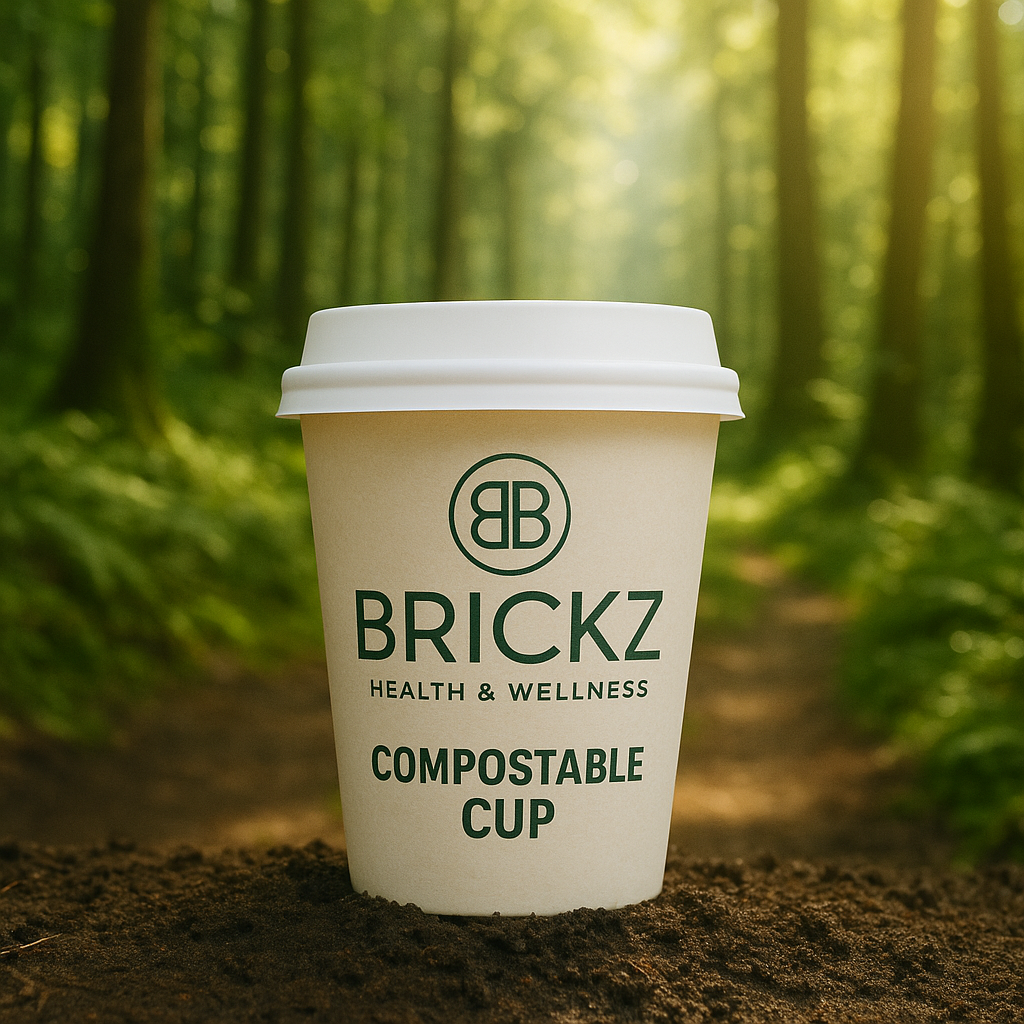
Choose Sustainable Materials for Custom Kaffie Cups
Compostable and biodegradable options: PLA-coated paper and plant-based liners
Paper coated with polylactic acid (PLA) offers an alternative to petroleum based insulation and will completely decompose in about 12 weeks when placed in commercial composting systems. The plant derived liners made from either corn or sugarcane perform just as well against leaks compared to regular plastic options, but they cut carbon emissions down by around 65% throughout their entire life cycle. What makes these materials particularly useful is that they hold up well at typical temperatures encountered during beverage service ranging from 60 to 85 degrees Celsius. This means they work great in real world conditions while still being good for the environment at the end of their useful life.
Recyclable alternatives: FSC-certified kraft paper and mono-material cup designs
When it comes to FSC certified kraft paper, we're talking about forest management that can actually be traced back to responsible sources. And mixing this with recycled materials means companies can cut down on virgin fiber usage completely in some cases. The mono material cup system is another game changer for recycling. These systems combine cups, lids, and sleeves all into one type of plastic, which solves the big problem traditional cups have where different layers need to be separated before recycling. According to recent waste audits from 2023, cities are accepting these simpler designs at around 78% higher rates compared to older models. Makes sense really, since less complicated means easier sorting at recycling centers.
Reusable kaffie cups made from stainless steel, wheat straw plastic, and tempered glass
Stainless steel cups rated as food safe (18/8 grade) can last through hundreds of dishwasher runs without losing their integrity. Made from wheat straw composite materials these cups combine strength with lightweight properties while using about 85 percent less energy during manufacturing compared to regular plastic options. The material comes from leftover agricultural products mixed with harmless binding agents. For brands looking to showcase their logo or design, tempered glass remains a popular choice since it's completely free of chemicals and lets everything show through clearly. Research shows something pretty impressive too reusable items start making a real difference in waste reduction after only around fifteen uses, cutting down on overall waste by nearly ninety two percent when compared to single use alternatives.
Apply Eco-Conscious Design and Printing to Kaffie Cups
Minimalist branding with natural color palettes and uncoated finishes
Uncoated paper finishes and earth-toned, botanical-inspired palettes reduce reliance on synthetic coatings and pigments—preserving recyclability and compostability. Minimalist execution lowers ink usage by 30% compared to ornate designs, shrinking environmental impact while reinforcing organic authenticity. These choices ensure visual appeal aligns with material integrity.
Soy-based, water-based, and UV-curable inks for low-impact kaffie cup printing
Soy-based inks biodegrade four times faster than petroleum-based alternatives; water-based inks cut VOC emissions by up to 80%; UV-curable inks eliminate drying energy through instant light-activated curing. All three options prevent contamination in recycling and composting streams—safeguarding the functionality of sustainable cup materials.
Communicate Authentic Sustainability Through Kaffie Cup Messaging
Clear, verifiable claims: 'compostable in commercial facilities', 'made with 100% recycled content'
When products use specific wording backed by certifications, like "compostable in commercial facilities" or "contains 100% recycled materials," customers actually start to believe what they're seeing instead of getting confused about green claims. Words like "eco-friendly" just float around without any real meaning behind them and tend to make people question if companies are being honest. Getting third party checks matters a lot these days. Take BPI certification for compostable items or FSC labels showing responsible wood sources. These aren't just nice touches either. Studies have found that when shoppers see this kind of clear information, they're about 32 percent more likely to buy from brands that care about sustainability. Makes sense really, who wants to waste money on something that isn't truly green?
Transparency-driven storytelling: QR codes linking to material sourcing and lifecycle reports
QR codes on kaffie cups offer direct, scannable access to verified data: origin of raw materials, real-time carbon footprint metrics, and end-of-life processing pathways. With over 60% of coffee drinkers actively seeking brand transparency, this approach transforms passive packaging into an active engagement tool—differentiating genuine stewardship from performative sustainability.
Extend Sustainability to Complementary Elements: Sleeves and Lids
For coffee cups that are genuinely eco friendly, the accessories need to line up too. Think about reusable sleeves crafted from natural cork or those made with recycled paper fiber these stop single use waste completely. If paper sleeves are what people want, go for the unbleached ones with FSC certification they stay recyclable and don't introduce those chlorine problems. The lids matter just as much. Cornstarch based PLA works well since it breaks down in commercial compost systems. All parts should work together properly so nothing gets mixed up in recycling centers or compost facilities. An approach like this makes sure everything from the actual cup right down to its lid helps move forward environmental responsibility for brands while still being practical for everyday use.
FAQ
What are PLA-coated paper cups?
PLA-coated paper cups are made with a lining of polylactic acid (PLA), a plant-based plastic that is compostable and biodegradable, providing an eco-friendly alternative to petroleum-based options.
Are FSC-certified kraft paper cups recyclable?
Yes, cups made from FSC-certified kraft paper are recyclable as they come from responsibly managed forests and can include recycled materials for reduced environmental impact.
How do reusable kaffie cups help the environment?
Reusable kaffie cups, made from materials like stainless steel, wheat straw plastic, or tempered glass, reduce waste significantly when used multiple times, cutting overall waste by approximately 92% after about 15 uses.
Why are minimalist branding and natural palettes important for sustainability?
Minimalist branding uses less ink and relies on natural colors, which aligns with eco-friendly practices by preserving the recyclability and compostability of materials.
What is the benefit of using QR codes on kaffie cups?
QR codes provide verifiable data on the sourcing and lifecycle of materials, enhancing transparency and offering consumers insights into the brand's sustainability practices.