
 EN



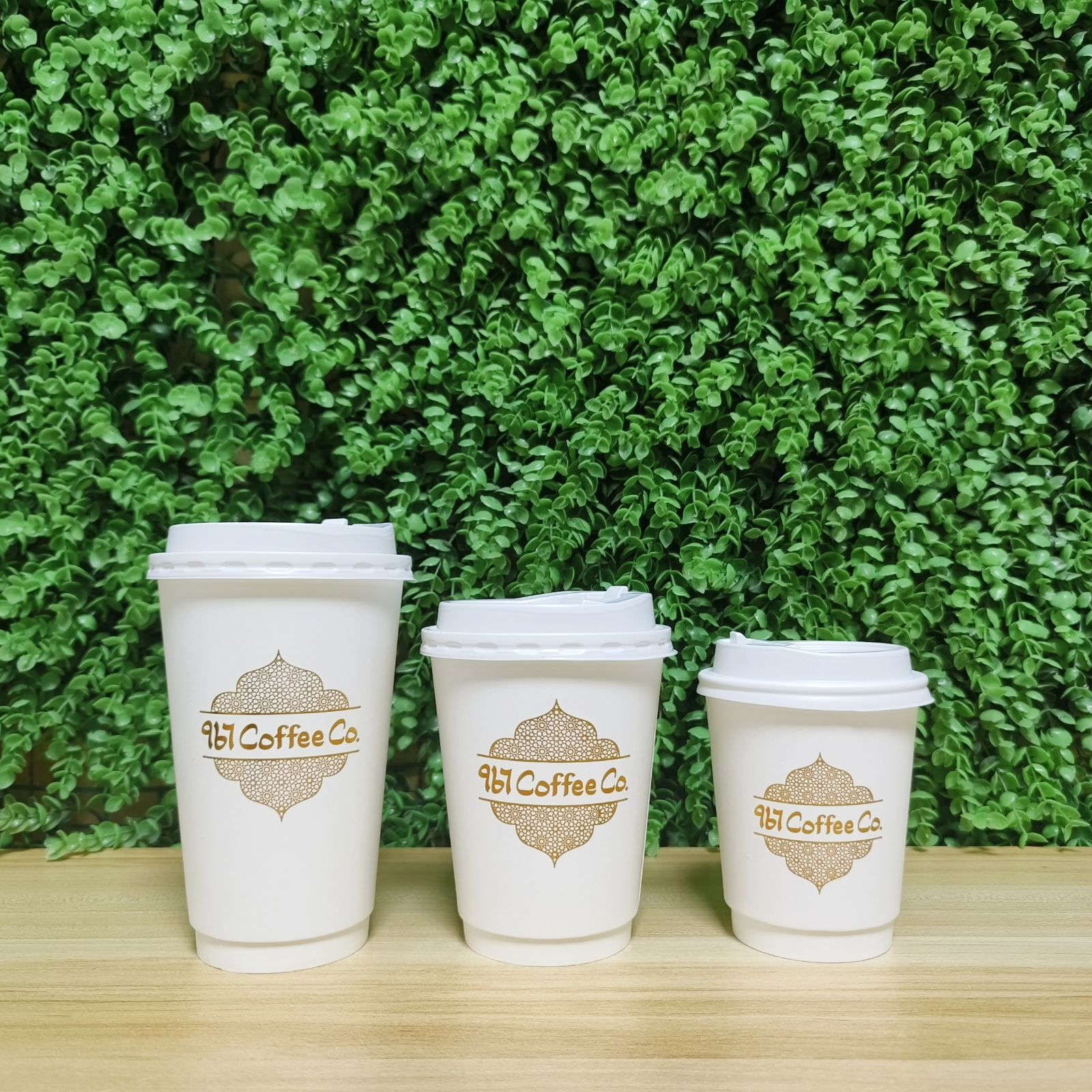
Material Integrity: Food-Safe, Heat-Resistant Materials for Coffee Paper Cups
Reliable coffee paper cups depend on material choices that protect both beverage and user. The sections below evaluate paperboard sourcing, barrier coating behavior at hot-fill temperatures, and real-world performance trade-offs.
FSC-Certified Paperboard and Food-Grade Compliance
FSC (Forest Stewardship Council) certification verifies that cup paperboard comes from responsibly managed forests and controlled supply chains. For hot drinks, food-grade virgin paperboard is the preferred substrate—it delivers high wet strength, good formability, and minimal risk of off-taste. Reputable suppliers pair this board with coatings compliant with FDA, EU Framework Regulation (EC) No 1935/2004, or LFGB standards, confirming no BPA or hazardous substances migrate into beverages—even at 90–100°C. Virgin fiber avoids contamination risks associated with recycled content, a critical safeguard for direct food contact. At the forming stage, the board must withstand die-cutting and side-seam sealing without cracking. Together, FSC sourcing and food-grade compliance establish a foundational safety standard. Buyers should request chain-of-custody documentation and migration test reports—not rely on visual inspection alone.
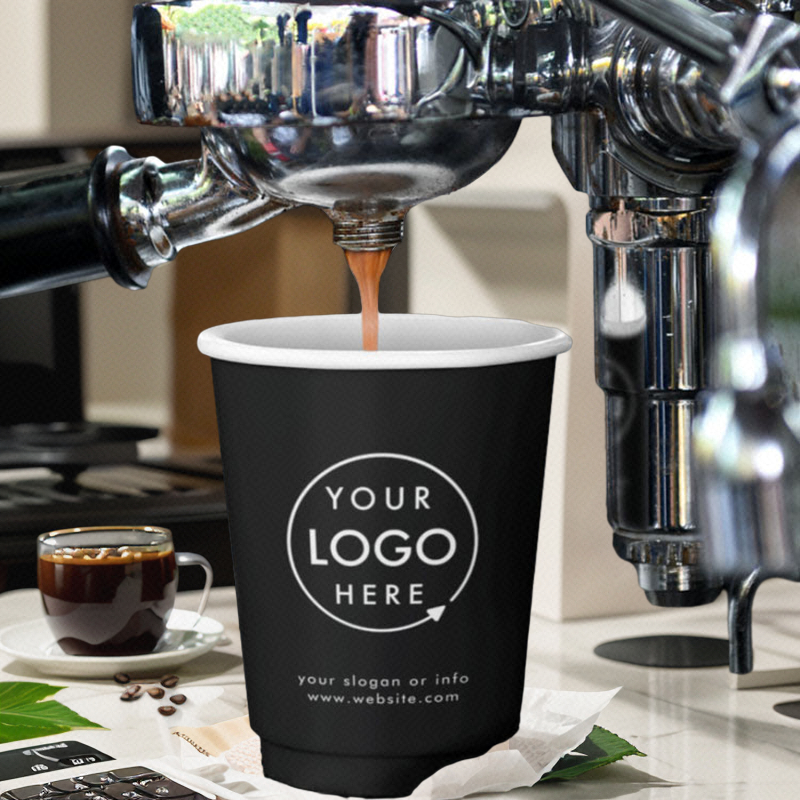
PE Lining Thickness Standards and Thermal Performance at 95°C
Polyethylene (PE) remains the most widely used barrier coating for hot coffee paper cups due to its proven thermal stability and moisture resistance. Its primary function is to prevent liquid penetration while resisting softening at elevated temperatures. At 95°C—a standard hot-fill benchmark—the PE layer must remain continuous across the cup wall and bottom seal. Lining thickness isn’t one-size-fits-all; it’s calibrated to cup grammage, size, and expected hold time. Too thin a coating risks pinholes or weak side-seam coverage; too thick can hinder formability and recyclability. Crucially, performance hinges more on coating uniformity than average thickness: a smooth, void-free PE film prevents hot coffee from contacting paper fibers, which would otherwise weaken structural integrity and cause leaks. Quality assurance programs validate thermal stability by exposing filled cups to 95°C liquid for 30–60 minutes and checking for blistering, delamination, or seepage—simulating real hot-hold conditions.
PLA vs. PE: Durability, Shelf Life, and Real-World Leakage Trade-offs
PLA (polylactic acid) offers a plant-based alternative to PE, but functional differences significantly impact reliability. PE delivers superior heat resistance, stronger moisture barriers, longer shelf life, and more consistent performance during extended hot holding. PLA, while industrially compostable, is more sensitive to heat, humidity, and storage duration. In practice, PLA-lined cups may exhibit slightly higher leakage risk when coatings are unevenly applied—or if stored in warm, humid environments—due to accelerated embrittlement. PE-lined cups maintain side-seam and base seal integrity at 95°C with fewer failures, especially in delivery and takeaway contexts where handling stress is high. The choice reflects a strategic trade-off: PE prioritizes mechanical reliability and moisture resistance; PLA supports sustainability goals only where certified industrial composting infrastructure exists. A concise comparison clarifies key distinctions:
| Lining | Heat resistance at 95°C | Moisture barrier | Shelf life | Real-world leakage risk |
|---|---|---|---|---|
| PE | High | Strong | Long | Low |
| PLA | Moderate | Lower | Shorter | Slightly higher under humid storage |
This table underscores that material integrity extends beyond certifications—it requires matching lining properties to service conditions.
Structural Engineering: Design Features That Prevent Leaks and Maintain Stability
Rim Reinforcement, Double-Wall Insulation, and Grip Ergonomics
Reliable coffee paper cups begin with a rigid rolled rim. This curled top edge prevents deformation when lids are pressed on and ensures even lid seating during movement. Without reinforcement, thin sidewalls can ovalize—compromising lid seal integrity and enabling hot liquid to escape at the edges. Double-wall construction introduces an insulating air gap between two paper layers. This gap slows conductive heat transfer, keeps the outer surface cooler to the touch, and minimizes condensation—eliminating the need for disposable sleeves and reducing waste. Ergonomic shaping further enhances usability: a subtle taper improves palm fit, while light texturing on the outer wall resists slipping—even with moist or caffeinated hands. These features work synergistically to reduce accidental spills, improve thermal comfort, and deliver stable, sleeve-free performance in high-volume settings.
Base Compression Strength and Hot-Liquid Load Distribution
A leak-proof coffee paper cup depends critically on base integrity. The bottom disc is inserted into the sidewall and crimped under precise pressure to form a tight mechanical lock. This seal must resist both static liquid weight and dynamic stresses—from stirring, lifting, or stacking. Proper compression ensures load is distributed evenly around the circumference, preventing stress concentration at the seam. Sidewall fluting adds vertical stiffness, minimizing bulging when filled to capacity. At serving temperatures near 95°C, the base seal must remain intact despite slight softening of paper fibers. Manufacturers verify performance by filling cups with near-boiling water and inspecting for wicking or seepage. A well-engineered base ensures stability on flat surfaces and guards against sudden bottom failure during use.
Manufacturing Precision: Consistent Quality Control for High-Volume Coffee Paper Cups
ISO 22000 Certification and Automated Seal Strength Verification
Reliable coffee paper cups demand closed-loop process control—not end-of-line sorting. ISO 22000 certification mandates a documented food safety management system covering hazard analysis, traceability, and corrective action across raw material intake, forming, sealing, and packing. Automated seal strength verification strengthens this framework by testing side seams and bottom seals inline on high-speed production lines—often exceeding 120 cups per minute. Vision systems monitor bottom adhesion and rim rolling in real time, rejecting micro-gaps before packaging. Leading manufacturers augment automation with hot-liquid leak and burst tests at 95°C, reducing batch-level defects and ensuring consistent field performance across 8oz, 12oz, and 16oz formats. This integrated approach delivers repeatable safety margins without compromising throughput.
Field-Validated Reliability: Performance Data from Commercial Coffee Paper Cup Use
Lab tests confirm baseline material integrity—but commercial use reveals failure modes batch checks often miss. Vibration during delivery, variable lid torque at pickup counters, and condensation from adjacent iced beverages all stress side seams and base seals. A 2024 field audit across quick-service beverage operators tracked double-wall coffee paper cups under real-world conditions: they maintained internal temperatures above 80°C for an average of 25 minutes, with side-seam leak rates below 0.2% across 12,000 filled cups.
| Field Metric (2024 Audit) | Single-Wall PE | Double-Wall PE | PLA-Lined |
|---|---|---|---|
| 25-minute heat retention above 80°C | 58% | 92% | 74% |
| Side-seam leak rate | 0.8% | 0.2% | 0.5% |
| Lid fit stability after 100 twists | 89% | 97% | 91% |
The data reveal a clear pattern: double-wall PE construction delivers the strongest combination of thermal retention and structural consistency. While PLA-lined cups perform acceptably early on, field experience shows they’re more prone to hairline cracks after prolonged hot storage—consistent with PLA’s tendency to embrittle over time. Operators balancing compostability with reliability typically select PE-lined double-wall cups for high-volume hot beverage service unless strict local waste-stream requirements mandate PLA. Critically, field audits confirm that consistent base compression and automated seal verification reduce leakage far more effectively than visual inspection alone.
Frequently Asked Questions (FAQ)
What does FSC certification guarantee in coffee paper cups?
FSC certification ensures that the paperboard used in coffee paper cups comes from responsibly managed forests and controlled supply chains, promoting environmental sustainability.
Why is PE lining preferred over PLA for hot coffee paper cups?
PE lining offers superior heat resistance, moisture barriers, and durability, making it ideal for high-volume hot beverage service. In comparison, PLA lining is less reliable in humid or hot conditions but supports compostability in certified environments.
What design features reduce spills in coffee paper cups?
Features like rolled rims, double-wall insulation, and ergonomic shaping enhance lid stability, structural integrity, and user grip, minimizing accidental spills and improving usability.
How do manufacturers ensure quality control in coffee paper cups?
ISO 22000 certification and automated seal strength verification systems are employed to test integrity in high-speed production lines, ensuring consistent reliability.
What are the findings of the 2024 field audit regarding coffee paper cups?
The audit showed that double-wall PE cups offer better thermal retention and structural consistency than PLA-lined cups, which tend to embrittle over prolonged storage.
Table of Contents
- Material Integrity: Food-Safe, Heat-Resistant Materials for Coffee Paper Cups
- Structural Engineering: Design Features That Prevent Leaks and Maintain Stability
- Manufacturing Precision: Consistent Quality Control for High-Volume Coffee Paper Cups
- Field-Validated Reliability: Performance Data from Commercial Coffee Paper Cup Use
-
Frequently Asked Questions (FAQ)
- What does FSC certification guarantee in coffee paper cups?
- Why is PE lining preferred over PLA for hot coffee paper cups?
- What design features reduce spills in coffee paper cups?
- How do manufacturers ensure quality control in coffee paper cups?
- What are the findings of the 2024 field audit regarding coffee paper cups?