
 EN
EN



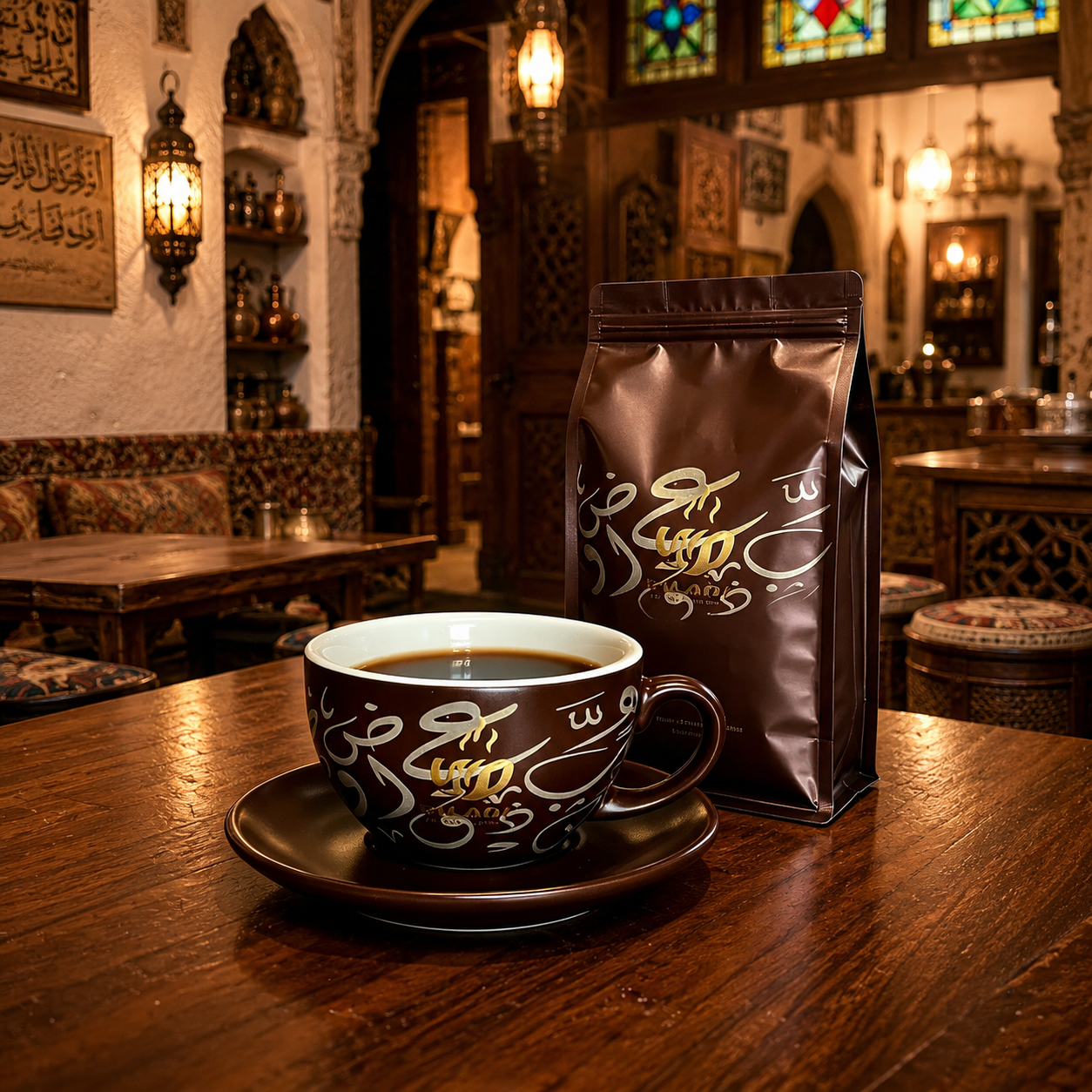
Material Neutrality: Why Ceramic Cups Preserve Authentic Flavor
Chemical inertness of food-grade ceramic glazes and lead-free certification standards
Ceramic cups are prized for their chemical inertness—a property rooted in the high-fired clay body and the glass-like glaze that seals the surface. Unlike porous materials, a properly glazed ceramic cup does not react with hot or acidic beverages, ensuring no foreign substances leach into the drink. Food-grade ceramic glazes must meet strict safety standards, such as those set by the U.S. FDA or EU regulations, which mandate lead-free and cadmium-free formulations. These certified glazes form a non-reactive barrier that preserves the original flavor profile—whether the cup holds delicate green tea or robust espresso. The absence of chemical interaction means the cup imparts or absorbs no tastes, making it a truly neutral vessel that lets the beverage’s character shine. This neutrality is essential for connoisseurs seeking an unadulterated sensory experience.
Sensory comparison: ceramic cups vs. plastic, stainless steel, glass, and disposable alternatives
A side-by-side comparison reveals why ceramic cups consistently outperform other materials in taste preservation. The table below summarizes key differences in flavor neutrality, heat retention, and typical use cases.
| Material | Taste Neutrality | Heat Retention | Common Drawbacks |
|---|---|---|---|
| Ceramic | Excellent | Moderate | Heavier weight, breakable |
| Plastic | Moderate | Medium | May retain odors, can leach microplastics |
| Stainless Steel | Can affect taste | High | Metallic tang with acidic drinks |
| Glass | Excellent | Low | Fragile, rapid cooling |
| Disposable (paper/foam) | Poor | Very low | Often imparts cardboard or glue notes |
Plastic and disposable cups absorb and release previous flavors; stainless steel can introduce a faint metallic note—especially with hot or acidic drinks; and while glass is chemically inert, its poor heat retention dampens aroma perception. Ceramic cups strike a balance: their neutral surface and moderate thermal mass sustain optimal temperature and aroma release without interference, making them the preferred choice for specialty coffee shops and tea houses.
Thermal Performance: How Ceramic Cups Optimize Aroma Release and Taste Perception
Porcelain, stoneware, and earthenware: heat retention profiles and their effect on volatile aroma compounds
Ceramic cups excel at sustaining the ideal temperature window for aroma perception—between 140°F and 160°F—where flavor clarity peaks and detection of volatile compounds remains strong. Porcelain, with its finely vitrified and often thinner walls, delivers moderate heat retention that gently releases delicate floral and vegetal top notes. Stoneware’s thicker, more porous body retains heat longer and tends to accentuate roasted, nutty, or aged characters—ideal for full-bodied coffees. Earthenware, fired at lower temperatures, offers the least thermal stability; it cools quickly and may mute volatile aromas unless pre-warmed thoroughly. Crucially, a properly glazed surface ensures this thermal behavior occurs without leaching off-flavors. Matte or unglazed exteriors further stabilize temperature by reducing convective heat loss. Preheating a stoneware mug stores thermal energy that prolongs the release of aroma compounds, creating a more layered sensory experience—and extending the window during which each sip delivers the intended aromatic profile.
Temperature-driven taste modulation: sweetness/bitterness balance in hot beverages and ceramic wall thickness impact
Temperature directly modulates perceived sweetness and bitterness: heat suppresses bitter receptors, making hot coffee taste smoother, while cooling unmasks astringency and sharpness. Ceramic cups—particularly those with thicker walls (5–7 mm)—slow the cooling rate, extending the window during which sweetness dominates. Research shows stoneware mugs maintain beverage temperature above 140°F roughly 20% longer than thin porcelain, delaying bitterness emergence. Rim thickness also influences mouthfeel: a broader, rounded rim delivers a softer, more blended taste perception, while a thin, sharp rim intensifies acidic or bitter notes. Ceramic’s low thermal conductivity keeps the outer surface comfortable to hold even when the interior is hot—encouraging immediate engagement with the beverage and capturing full aromatic sweetness before temperature decay allows bitterness to surface. In this way, ceramic wall thickness acts as a passive flavor architect—gently tuning the temporal taste profile without active intervention.
Ergonomic and Structural Design: Cup Geometry’s Role in Flavor Experience
Rim width, cup height, and volume-to-surface ratio effects on aroma delivery and taste intensity
The geometry of a ceramic cup directly shapes how aromas reach the nose and how liquid contacts the palate. Tulip-shaped vessels concentrate volatile compounds more effectively than wide-mouthed designs, enhancing perceived sweetness and acidity (Carvalho, 2018). Round cup profiles generally enhance sweetness perception, while angular rims intensify bitterness. Rim width and lip thickness govern aroma delivery: narrow openings focus scent intensity, while wider rims disperse aroma—and accelerate cooling. A thicker lip can slow the coffee’s flow onto the tongue, subtly modifying taste intensity. Cup height matters too: taller ceramic cups trap aroma in a vertical column, extending the sensory window as the walls sustain warmth. Volume-to-surface ratio further modulates taste—a low surface-to-volume ratio reduces heat loss from the ceramic’s thermal mass, preserving volatile aroma and bitterness; a high ratio quickens cooling and diminishes flavor impact. These geometric factors, intentionally optimized in ceramic cup design, unite ergonomics with flavor science to elevate the drinking experience.
Cross-Modal Influence: Color and Texture Effects on Flavor Perception in Ceramic Cups
Cross-modal perception describes how one sense alters another—and the visual and tactile properties of ceramic cups directly shape how we experience a beverage’s taste before the first sip. A well-replicated 2012 study found that hot coffee served in a white mug was rated significantly more intense and sweeter than the same coffee in a clear or blue mug (Piqueras-Fiszman & Spence). A 2014 follow-up confirmed that mug color alone could shift perceived flavor in café latté (Flavour journal), demonstrating that color serves as a sensory primer—guiding expectations of sweetness, bitterness, and body.
Texture exerts comparable influence. The hand-feel of a ceramic cup—whether smooth and glossy or rough and unglazed—initiates oral-somatosensory expectations before the liquid touches the lips. Tactile cues have been shown to prime perceptions of creaminess or thickness in food packaging (Piqueras-Fiszman & Spence, 2012); applied to ceramics, a matte, velvety finish may suggest a softer, rounder mouthfeel, while a cool, polished porcelain surface reinforces crispness and clarity. This tactile priming is especially powerful in ceramic cups, where artisans can engineer glazes to deliver both aesthetic and functional haptic signals.
For beverage designers, ceramic cups offer a unique canvas for cross-modal orchestration. A dark, earthy brown cup can heighten perceptions of richness and roast character; a bright, neutral tone may emphasize clarity and acidity. Similarly, a thick-walled stoneware cup that feels warm to the touch can amplify comfort and sweetness—subtly shifting the balance between bitterness and perceived sweetness. By thoughtfully leveraging color and texture, ceramic cups allow a drink to be perceived in its most favorable light—literally and figuratively—without altering the liquid itself.
FAQs
Why do ceramic cups preserve beverage flavor better than other materials?
Ceramic cups are chemically inert due to their high-fired clay body and food-grade glaze. This ensures they don’t react with hot or acidic beverages, preserving the original flavor without any foreign taste interference.
How does the wall thickness of ceramic cups impact taste perception?
Thicker ceramic walls help regulate the drink’s cooling rate, keeping it in the ideal temperature range longer. This enhances sweetness and minimizes the bitterness that may appear as the beverage cools.
What role does the shape of a ceramic cup play in the drinking experience?
The geometry of a ceramic cup—rim width, cup height, and volume-to-surface ratio—affects how aromas are delivered and how flavors are perceived. Tulip-shaped and taller cups help concentrate and retain aroma better than wider designs, enhancing the overall sensory experience.
Can the color or texture of a ceramic cup change the way a drink tastes?
Yes, visual and tactile properties of a ceramic cup, such as its color and texture, influence flavor perception. Colors can serve as sensory primers, while the texture of the cup’s surface affects tactile expectations like creaminess or smoothness.
How does ceramic compare to other materials like glass, plastic, or stainless steel?
Ceramic provides superior flavor neutrality compared to plastic or stainless steel, which can impart odors or metallic flavors. Unlike glass, ceramic offers better heat retention, which is crucial for maintaining a beverage’s aroma and taste intensity.
Table of Contents
- Material Neutrality: Why Ceramic Cups Preserve Authentic Flavor
- Thermal Performance: How Ceramic Cups Optimize Aroma Release and Taste Perception
- Ergonomic and Structural Design: Cup Geometry’s Role in Flavor Experience
- Cross-Modal Influence: Color and Texture Effects on Flavor Perception in Ceramic Cups
-
FAQs
- Why do ceramic cups preserve beverage flavor better than other materials?
- How does the wall thickness of ceramic cups impact taste perception?
- What role does the shape of a ceramic cup play in the drinking experience?
- Can the color or texture of a ceramic cup change the way a drink tastes?
- How does ceramic compare to other materials like glass, plastic, or stainless steel?