
 EN
EN



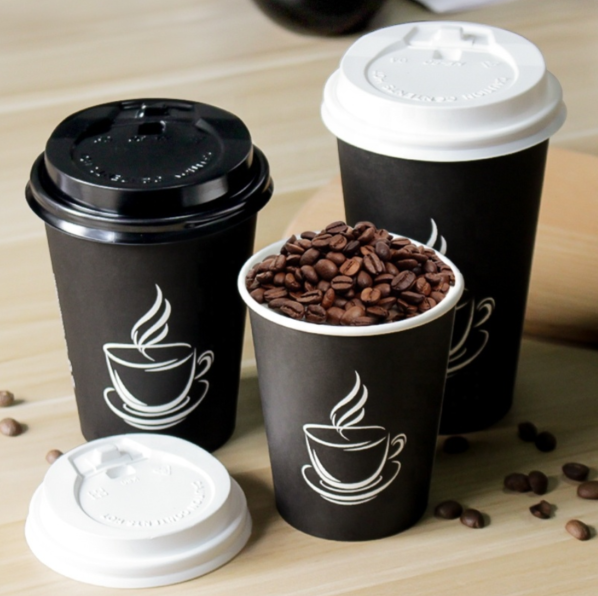
Thermal Performance: Heat Resistance and Structural Integrity of Coffee Paper Cups
Minimum Safe Temperature Range for Hot Coffee (70–95°C) and Real-World Thermal Stress
Hot coffee is typically served between 70–95°C—a range that subjects paper cups to repeated thermal cycling. Each filling event imposes 4–6 thermal stress cycles, accelerating material fatigue and promoting micro-fractures in the paperboard layer. These fractures can compromise leak resistance within 12–15 minutes of exposure. To maintain structural integrity during handheld use, operators should select cups with a minimum paperboard rigidity of ≥50N, ensuring safe handling even when filled with dense, high-temperature beverages.
Coating Degradation Risks: PE Breakdown, Chemical Leaching, and Loss of Rigidity Above 85°C
Polyethylene (PE) linings—used in the majority of commercial coffee paper cups—begin degrading at sustained temperatures above 85°C. This triggers three interrelated failure modes:
- Polymer breakdown: Molecular chain separation reduces waterproofing efficacy by 40–60%
- Chemical migration: Hydrocarbon compounds may leach into beverages, remaining within FDA-permitted limits for food contact materials
- Structural collapse: Rigidity drops by ≥30% when holding liquids above 90°C for more than 8 minutes
These risks are especially pronounced with specialty coffees like espresso (served at 90–95°C) in thinner single-wall designs, where heat transfer is rapid and localized.
Coating Materials Compared: PE, PLA, and Next-Gen Linings for Coffee Paper Cups
Polyethylene (PE) remains the dominant lining for coffee paper cups due to its proven liquid barrier performance, cost efficiency, and thermal stability up to 85°C (Pandopak 2024). However, prolonged exposure above this threshold weakens polymer bonds—increasing risks of chemical leaching, deformation, and microplastic release.
PLA and Bio-Based Linings: Compostability vs. Compromised Heat Stability in Hot Coffee Applications
Polylactic acid (PLA) linings, derived from renewable sources like cornstarch or sugarcane, offer certified industrial compostability—but at the expense of thermal resilience:
| Property | PE Lining | PLA Lining |
|---|---|---|
| Max Safe Temp | 85°C | 70–75°C |
| Leak Resistance | Excellent | Moderate |
| Heat Stress Tolerance | Stable below 85°C | Warping above 75°C |
| Compostability | Non-compostable | Industrial facilities |
Because PLA begins softening near 75°C, cup deformation occurs in 30% of cases at 80°C (Yoonpak 2025), raising concerns about user safety and spill risk. While next-gen water-based barriers show promise in balancing heat resistance and sustainability, widespread commercial adoption remains limited by scalability and cost constraints.
Insulation Design: How Wall Structure Affects Safety and User Experience with Hot Coffee Paper Cups
Double-Wall vs. Ripple-Wall vs. Single-Wall: Measured Surface Temperature Reduction and Ergonomic Safety
Wall structure fundamentally determines a coffee paper cup’s thermal insulation and user safety profile. Single-wall cups provide minimal thermal resistance: surface temperatures exceed 70°C within three minutes—posing scalding risks and necessitating cardboard sleeves that add operational complexity. In contrast, double-wall construction creates an insulating air gap, reducing external surface temperature by 43% versus comparable single-wall cups. This eliminates sleeve dependency while extending beverage warmth retention. Ripple-wall designs further enhance safety through corrugated outer textures that minimize skin contact area and improve grip stability—effectively scattering heat away from pressure points. For specialty cafés serving drinks above 85°C, these engineered wall structures significantly reduce burn risk and support comfortable, extended handling.
Regulatory Assurance: Food Safety Certifications Validated for Hot Coffee Paper Cups
When selecting coffee paper cups for hot beverages, regulatory certifications serve as essential validation of both material safety and thermal resilience. Reputable manufacturers comply with internationally recognized standards—including FDA requirements in the U.S. and EU Framework Regulation (EC) No 1935/2004—which mandate rigorous chemical migration testing at temperatures up to 95°C. These protocols verify that all linings—whether PE, PLA, or plant-based—contain no detectable BPA, phthalates, or heavy metals under real-world thermal stress.
Complementary certifications such as ISO 22000 (food safety management) and BRC Global Standards reinforce confidence by validating hygiene controls, supply chain traceability, and coating integrity across production. Third-party audits specifically assess structural stability when exposed to boiling liquids—ensuring cups retain form, function, and safety throughout service life. For businesses, prioritizing certified coffee paper cups not only mitigates liability but also demonstrates consistent compliance with global food contact material regulations.
FAQ
Why do paper coffee cups need a minimum rigidity of ≥50N?
A rigidity of ≥50N ensures that cups can maintain their structural integrity during handheld use, even under the stress of hot, dense beverages, without collapsing or leaking.
What happens when PE coatings degrade above 85°C?
PE coatings experience molecular breakdown, which diminishes waterproofing. Additionally, this may lead to chemical migration into beverages and reduced cup rigidity.
Are PLA linings suitable for hot coffee applications?
PLA linings are compostable but begin softening near 75°C, which can result in deformation and potential spill risks for hot coffee served above this temperature.
Which type of coffee cup wall structure provides the best insulation?
Double-wall and ripple-wall constructions offer superior insulation by reducing surface temperatures and improving grip stability, making them safer and more comfortable for handling.
What certifications should businesses look for in coffee paper cups?
Businesses should prioritize certifications such as FDA compliance, EU Framework Regulation (EC) No 1935/2004, ISO 22000, and BRC Global Standards to ensure material safety and structural resilience.
Table of Contents
- Thermal Performance: Heat Resistance and Structural Integrity of Coffee Paper Cups
- Coating Materials Compared: PE, PLA, and Next-Gen Linings for Coffee Paper Cups
- Insulation Design: How Wall Structure Affects Safety and User Experience with Hot Coffee Paper Cups
- Regulatory Assurance: Food Safety Certifications Validated for Hot Coffee Paper Cups
-
FAQ
- Why do paper coffee cups need a minimum rigidity of ≥50N?
- What happens when PE coatings degrade above 85°C?
- Are PLA linings suitable for hot coffee applications?
- Which type of coffee cup wall structure provides the best insulation?
- What certifications should businesses look for in coffee paper cups?