
 EN
EN



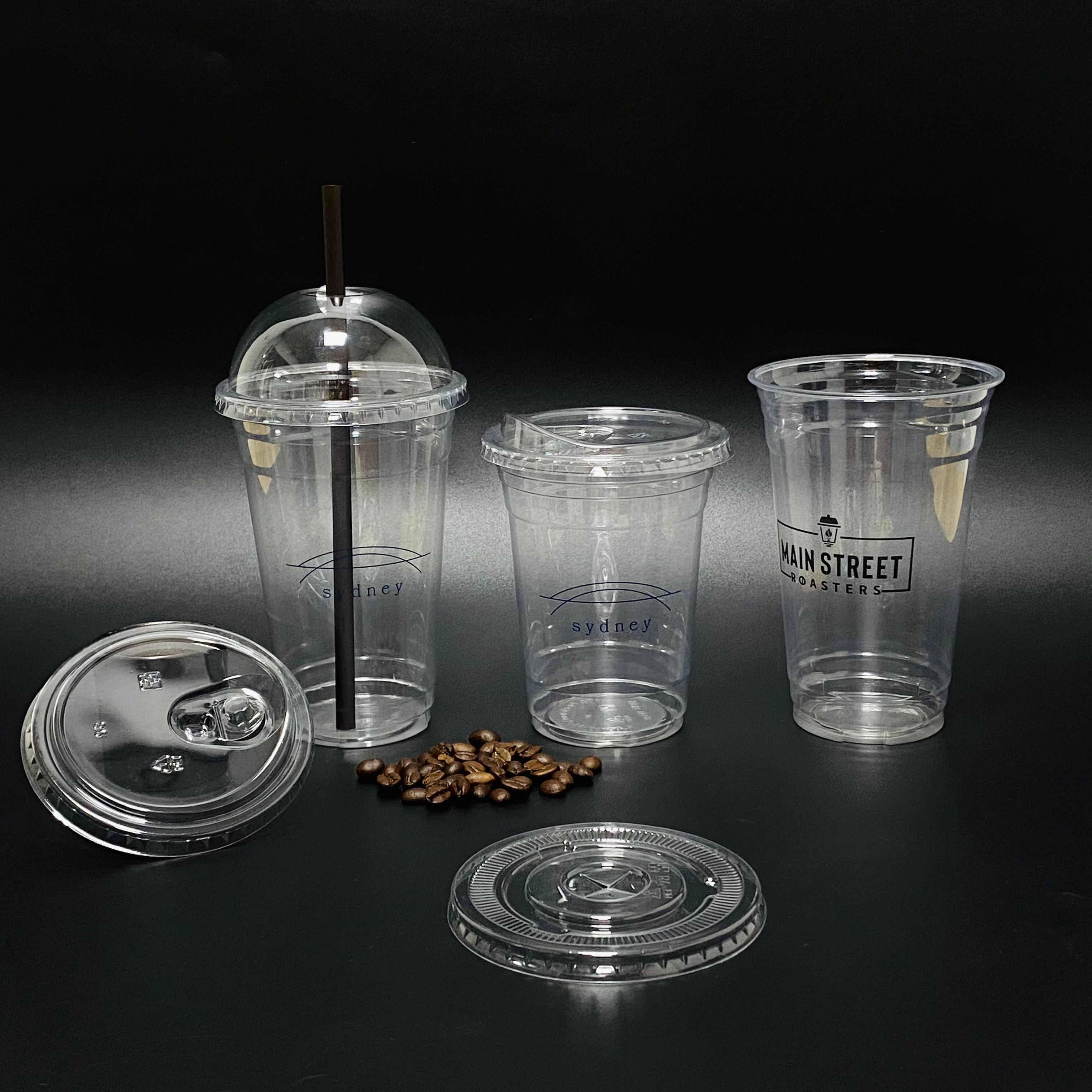
Key Performance Requirements for Plastic Cups for Cold Drinks
Thermal Conductivity and Condensation Control
Plastic cups for cold drinks must minimize condensation to ensure safe handling and visual appeal. PET and PP have inherently low thermal conductivity, slowing heat transfer from ambient air to the chilled beverage and reducing surface temperature differentials—the primary driver of moisture buildup. Still, high humidity or thin cup walls can trigger condensation, creating slippery surfaces that increase drop risk and degrade structural integrity over time. To mitigate this, many designs integrate textured sidewalls or anti-fog additives that enhance grip and preserve clarity. Polypropylene stands out for its natural moisture resistance—making it especially effective in wet-handling environments like outdoor service or high-volume takeout. Prioritizing condensation control directly supports safety, brand presentation, and customer experience.
Low-Temperature Impact Strength and Rigidity Retention
Cold-service plastic cups must retain toughness and dimensional stability when chilled. PET maintains stiffness and clarity down to 0 °C and resists cracking—even with ice-filled contents and routine handling. In contrast, polystyrene (PS) becomes brittle at low temperatures, significantly increasing shatter risk upon impact. Polypropylene (PP) delivers superior low-temperature impact strength across a broad range, remaining pliable and resilient even after sub-zero storage. While less rigid than PET, PP’s shock-absorbing flexibility makes it ideal for delivery and takeout applications where durability is non-negotiable. Structural reinforcement—such as thickened rims and robust sidewalls—amplifies these material advantages, ensuring leak-free performance and consistent shape retention throughout the service cycle.
PET, PS, and PP Compared: Best Plastic Cups for Cold Drinks
PET: Clarity, Stiffness, and Reliable Performance at Chilled Temperatures
PET (Polyethylene Terephthalate) is the benchmark material for premium cold-drink cups. Its glass-like transparency highlights vibrant beverages—iced teas, smoothies, layered juices—enhancing shelf appeal and customer engagement. At refrigerated temperatures, PET remains dimensionally stable and rigid, resisting warping or softening under condensation load. It also delivers strong low-temperature impact resistance, maintaining integrity after counter-height drops—a critical reliability factor in fast-paced cafés. Lightweight, BPA-free, and widely recyclable, PET aligns with both operational and sustainability goals. Importantly, PET softens near 60 °C, confirming its exclusive suitability for cold service. In controlled comparisons at 4 °C, PET outperformed PS in structural retention, significantly lowering leak risk and protecting brand perception. For operators prioritizing clarity and dependable cold-temperature performance, PET remains the leading choice.
PS: Cost-Effective but Prone to Brittleness and Fogging When Cold
Polystyrene (PS) offers an economical entry point for cold-drink service—but with notable functional compromises. Though initially transparent and lightweight, PS loses ductility as temperatures drop, becoming increasingly brittle and susceptible to cracking or flaking during handling. Condensation further degrades its appearance, causing surface fogging that obscures beverage color and vibrancy. While PS provides decent thermal insulation, its lack of rigidity limits suitability for high-traffic or transport-heavy operations. Industry data indicates PS cups experience up to 30% higher breakage rates than PET in cold-chain logistics. Recyclability is limited, and potential styrene migration under certain conditions raises additional safety considerations. PS may serve cost-sensitive, low-durability applications—but falls short as the best plastic cup for cold drinks requiring consistent performance and presentation.
PP: Tough and Condensation-Resistant—But Less Transparent for Premium Presentation
Polypropylene (PP) excels where durability and moisture management are paramount. Injection-molded PP cups are shatter-resistant and maintain structural integrity across extreme temperature ranges—including sub-zero storage and ice-filled use. Their semi-translucent, frosted finish naturally masks condensation, making them ideal for outdoor events, festivals, and high-volume takeout. PP is BPA-free, chemically inert, and stable with acidic or frozen beverages—eliminating leaching concerns. However, its hazy appearance reduces visual fidelity, muting the brightness and layering effects prized in premium cold drinks. For operators whose priority is resilience, safety, and condensation control—not crystal-clear presentation—PP delivers unmatched functional reliability. It is the best plastic cup for cold drinks in demanding, high-use environments.
Balancing Function, Aesthetics, and Sustainability in Cold Drink Service
Selecting the optimal plastic cup for cold drinks requires integrating material performance, visual impact, and environmental responsibility. PET leads in clarity and chilled-temperature rigidity—ideal for brands emphasizing beverage aesthetics. PP offers superior toughness and condensation resilience, suited to rugged service contexts where safety and function outweigh transparency. PS, while budget-friendly, consistently underperforms in durability, presentation, and end-of-life management. With 72% of consumers willing to pay more for sustainable packaging (McKinsey, 2023), recyclability and recycled content have become strategic differentiators—not just compliance items. Leading operators now specify cups that combine food-grade safety, lid compatibility, and recycling-readiness—without sacrificing cold-holding integrity or visual appeal. This convergence of material science, user-centered design, and circular-economy principles defines the modern standard for cold drink service.
FAQ
What factors influence condensation control in plastic cups for cold drinks?
Condensation control is influenced by the material's thermal conductivity, wall thickness, and humidity. Textured sidewalls and anti-fog additives can enhance grip and clarity, helping manage condensation risk.
Which plastic type offers the best low-temperature impact strength?
Polypropylene (PP) delivers superior low-temperature impact strength, maintaining resilience even after sub-zero storage and handling.
How does PET perform at refrigerated temperatures?
PET retains its stiffness and clarity at chilled temperatures, resists warping under condensation load, and offers excellent low-temperature impact resistance.
Why is PS considered less suitable for premium cold-drink presentation?
Polystyrene becomes brittle at low temperatures, fogs under condensation, and experiences up to 30% higher breakage rates in cold-chain logistics compared to PET, making it less ideal for high-quality drink presentation.
How is sustainability integrated into plastic cup selection?
Recyclability, BPA-free materials, and food-grade safety are key considerations, with brands increasingly choosing cups that balance performance with environmental responsibility.
Table of Contents
- Key Performance Requirements for Plastic Cups for Cold Drinks
- PET, PS, and PP Compared: Best Plastic Cups for Cold Drinks
- Balancing Function, Aesthetics, and Sustainability in Cold Drink Service
-
FAQ
- What factors influence condensation control in plastic cups for cold drinks?
- Which plastic type offers the best low-temperature impact strength?
- How does PET perform at refrigerated temperatures?
- Why is PS considered less suitable for premium cold-drink presentation?
- How is sustainability integrated into plastic cup selection?