
 EN
EN



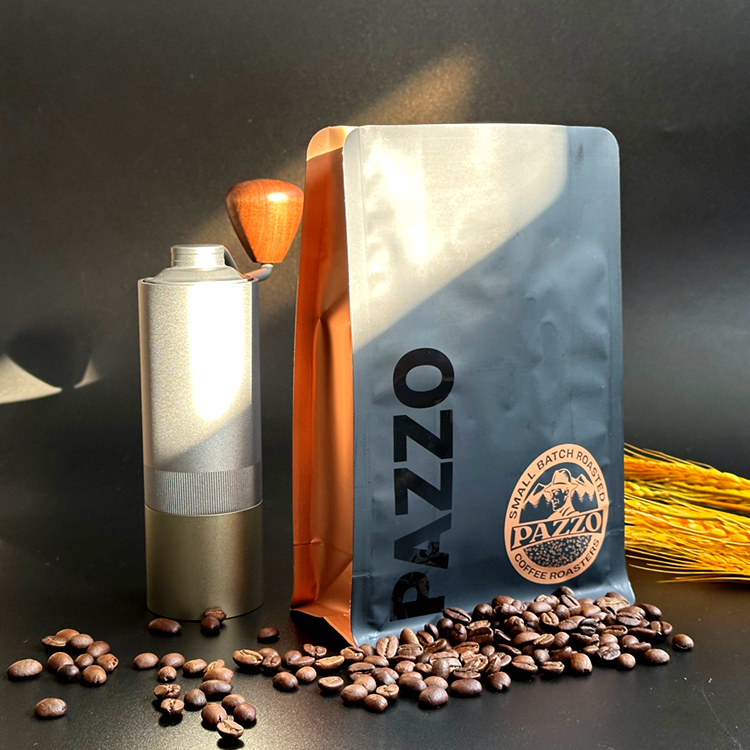
Шта чини да су пакете за кафу од крафта заиста еколошки чисте?
Издржливост крафт папира: Извора влакана, рециклибилност и потенцијал за поновно коришћење
Истинске, еколошки чисте торбе за кафу крефт почињу са папиром који се производи одговорно. Небели хартија је направљена од дрвене пулпеидеално сертификована од стране Савет за управљање шумама (FSC®) осигурање шума управљају се за еколошки интегритет, социјалну корист и економску одрживост. За разлику од пластике добијене из фосилних горивакоји чине преко 40% глобалног отпада од паковањаkraft папир је обновљив, енергетски ефикасан за производњу и захтева минималну хемијску прераду.
Одрживост материјала се протеже изван извоза: непокривен крафт папир је потпуно рециклиран до седам пута пре него што се влакна разграде, а биодеградује се природно за неколико недеља у окружећим условима. Када су обложене сертификованим материјалима за компостирање, купане торбе за кафу могу се индустријски компостирати без загађивања рециклираних токова. Чак и без инфраструктуре за компостирање, многи прљавци прерађују чврсте крафт вреће као чуваре за складиштење или компостирајуће линере који подржавају поновну употребу много пре краја живота. Обновљавајуће порекло, висока рециклибилност и поуздана биодеградација чине крафт папир суштинском основом поуздане одрживе паковање кафе.
Објашњење компостибилних облога: ПЛА против ПБАТ против ПЕ Перформансе и реалите на крају живота
Утицај крафт вреће на животну средину зависи од њене унутрашње облоге. Традиционални полиетилен (ПЕ) пружа одличну заштиту од баријера, али није компостиран, не може се рециклирати у већини општинских система и доприноси упорној загађивању пластиком. Компостибилне алтернативе ПЛА (полилактична киселина) и PBAT (полибутилен адипат терефталат) доставити функционалне перформансе док се омогућавају кружни путеви краја живота ако правилно сертификовани и обрађени.
| Материјал за обложење | Компостибилна | Кисеони баријера | Водносни препрека | Типични захтеви на крају живота |
|---|---|---|---|---|
| ПЕ | No | Висок | Висок | Стручница или сагоревање |
| Пл | Да (индустријски) | Умерено | Умерено | Инсталација за индустријску компостирање (5870 °C, 90180 дана) |
| ПБАТ | Да (индустријски) | Ниско/умерено | Висок | Инсталација за индустријску компостирање (слични услови) |
ПЛА, који се добија из кукурузног скроба, пружа умерене баријерне својства, али нема флексибилност и отпорност на влагу сам по себи тако да се обично меша са ПБАТ-ом како би задовољио захтевне захтеве свежине кафе. Од суштине важно, ни ПЛА ни ПБАТ неће поуздано компостирати у кућним коморима или депонијама - Да ли је то истина? Оба захтевају контролисане индустријске условеи то раде само ако су сертификована за стандарде као што су ТУВ ОК Компост индустријски - Да ли је то истина? Без ове верификације, тврдње о компостибилности нису доказане. За оптерећење насупрот, пекари морају потврдити да је цела врећа папир, облога, мастило, лепак и вентилдовољавају признатом стандарду компостибилностине само једна компонента.
Морамо да проверимо сертификације: ТУВ ОК Компост, ФСЦ® и УСДА БиоПреференцијал за бук-крафт пакете за кафу
Сертификације су једини објективни мерило за тврдње о одрживостии зелено прање напредује тамо где их нема. Три сертификата нису преговарајућа за купове за кафену кафу:
ТУВ ОК Компост индустријски (или ОК компост ХОУМ , ако је примењиво): потврђује да је комплетни пакет распада се и потпуно се биодеградује у одређеним временским оквирима и условима. Ово је коначни доказ да је торба компостираљива, а не само биолошка или деградирана.
ФСЦ® сертификација : Потврђује да крафт папир потиче из одговорно управљаних шумапречекајући дефорестацију, губитак станишта и кршење људских права у ланцу снабдевања.
Биопреференција : Проверује проценат садржаја биолошке основе у свим компонентамаукључујући облоге, лепиле и мастила, осигуравајући зависност од обновљивих сировина уместо нафте.
Погледљиви снабдевачи из САД пружају сертификате за одређене партије и транспарентну документацију. Ако добављач не може да произведе тренутне, верификоване сертификације за сваки елемент вреће, тврдња о одрживости нема ауторитетаи ризикује регулаторну или репутациону изложеност.
Највиши снабдевачи у САД-у са куповинама за кафу са доказаним праксама одрживости
Водећи произвођачи фолк-крафт торбица за кафу са седиштем у САД-у разликују се кроз транспарентност целокупног ланца: папир сертификовани од стране ФСЦ®, ТУВ ОК КомпостЦертификована ПЛА/ПБАТ облога, мастила Они објављују податке о тестирању бариера треће странекоји потврђују да стопе преноса кисеоника и влаге испуњавају услове трајања на палуби за специјалну кафуи подржавају скалабилност са флексибилним минималним количинама наруџбина (MOQ) како би се
Ови добављачи такође дају приоритет домаћој производњи, скраћујући емисије са транспорта и омогућавајући директну сарадњу у прилагођеним циљевима одрживостиод опција за бродоводњу неутралне угљенике до програма повратка. Оне које желе да буду веродостојне треба да процени не само сертификације, већ и то колико је лако снабдевачима да деле извештаје о испитивањима, листове података о безбедности материјала (МСДС) и смернице о усклађивању инфраструктуре, посебно у вези са локалним приступом компостирања.
Кључни критеријуми снабдевања за прљавце: МОК, временски рок и транспарентност тестирања бариера
Процена тврдњи о компостабилности према локалним ограничењима приступа објекту и инфраструктуре
Компостибилност није њенесавршена услова. За торбу сертификовану ТУВ ОК Компост потребно је индустријске објекте који раде на 5870°С са прецизном влажношћу и контролом микроба. Ипак, према Националном истраживању Биоцикла (2023), само 185 америчких објеката прихвата флексибилне компостирајуће паковањеа многи искључују вреће са ПЛА линером због забринутости за контаминацију. Коалиција за одрживу паковање (2022) додатно напомиње да мање од 10% америчких домаћинстава има приступ програмима компостирања на капији или на падалицама који прихватају такве материјале.
То значи да само сертификација не гарантује циркуларност. Оне које пече треба да процене географију дистрибуције: Да ли већина њихове база купацаили њихов сопствени објекат за печењеима приступ компатибилној инфраструктури? Ако не, вероватно је да ће се они одбацити на депонејеи у анаеробним условима чак и сертификоване компостиране вреће могу да трају годинама или да емитују метан.
Зато је транспарентност тестирања бариера једнако витална. Добавитељи треба да пруже документоване податке о брзини преноса кисеоника (ОТР) и брзини преноса водне паре (МВТР) тестиране према АСТМ Д3985 и Д1653у реалним условима складиштења (нпр. 23 °C/65% РХ). Ово осигурава очување свежине без прибегавање ламината који се не компостирају. Усаглашавање избора материјала са оба потреба за перформансом и локалне стварности одпада преобразује одрживост из маркетиншког језика у измериви утицај.
Максимализација утицаја на одрживост: штампање, вентили и избор секундарних паковања
Како мастила на бази соје, лепила без растварача и једнонасочни дегазирајући вентили утичу на еколошку веродостојност
Свака компонента је важна, чак и мале. Цвијеће на бази соје или биљке смањују емисије ЛОС-а током штампења и избегавају инхибирање биодеградације током компостирања. Лепила без растворача елиминишу токсичне остатке који би могли угрозити рециклираност или компостибилностособено критичан када се слојеви папира и облоге морају чисто одвојити током обраде.
Једнонасочни вентил за дегазирање представља кључни изазов: конвенционални пластични вентили спречавају да цели врећице постигну сертификацију ТУВ ОК Компоста, јер се не распадају нити пролазе тестове екотоксичности. Водећи добављачи сада нуде вентили направљене од сертификованих компостираних биопластикапротестиране да се потпуно распадне у истом временском оквиру као и врећаи дизајниране да задрже функционалност више од 12 месеци.
Вторични паковање такође утиче на утицај. Катиња за испоруку од гофрираног картонског пакова из рециклиране материје и штампане мастилама на бази воде јачају одрживост горе, док избегавање пластичне свијачке паковање или траке са синтетичким лепилима очува рециклибилност доле. На крају крајева, еколошка веродостојност се не одређује само папиром: она се валидира само када сваки елемент од мастила до вентилаизабрана, тестирана и сертификована да би се одржао исти кружни стандард.
Подела за често постављене питања
Које сертификације треба да тражим у еко-пријатним торбама за кафу?
Уверите се да вреће имају ТУВ ОК Компост ИНДУСТРИАЛ или ХОМ сертификат за компостибилност, ФСЦ® сертификат за одговорно снабдевање крафт папиром и USDA БиоПреферере сертификат за био-базоване компоненте.
Могу ли да компостирам ПЛА и ПБАТ вреће код куће?
Не, ПЛА и ПБАТ захтевају услове индустријског компостирања са контролисаним температурама и микробној активношћу да би се ефикасно разградили.
Да ли су све компоненте пакета за кафену кафу компостибилне?
Не мора бити. Опекачи треба да потврде да цела врећа, укључујући облоге, мастила, лепила и вентили, испуњавају признате стандарде компостибилности.
Зашто је транспарентност снабдевања од добављача важна?
Прозрачност снабдевања обезбеђује кредибилност пружањем одговарајућих сертификација, података о тестирању и компатибилности са локалном инфраструктуром за компостирање, минимизирајући регулаторне ризике и повећавајући еколошку ефикасност.
Шта ако у близини мене нема компостирачких објеката?
Ако локални приступ компостирању није доступан, депонирање може бити неизбежно. У овим случајевима, пекари треба да проценију перформансе рециклираних алтернатива или да се фокусирају на упаковку за вишекратну употребу.
Sadržaj
- Шта чини да су пакете за кафу од крафта заиста еколошки чисте?
- Највиши снабдевачи у САД-у са куповинама за кафу са доказаним праксама одрживости
- Кључни критеријуми снабдевања за прљавце: МОК, временски рок и транспарентност тестирања бариера
- Максимализација утицаја на одрживост: штампање, вентили и избор секундарних паковања
- Подела за често постављене питања