
 EN
EN



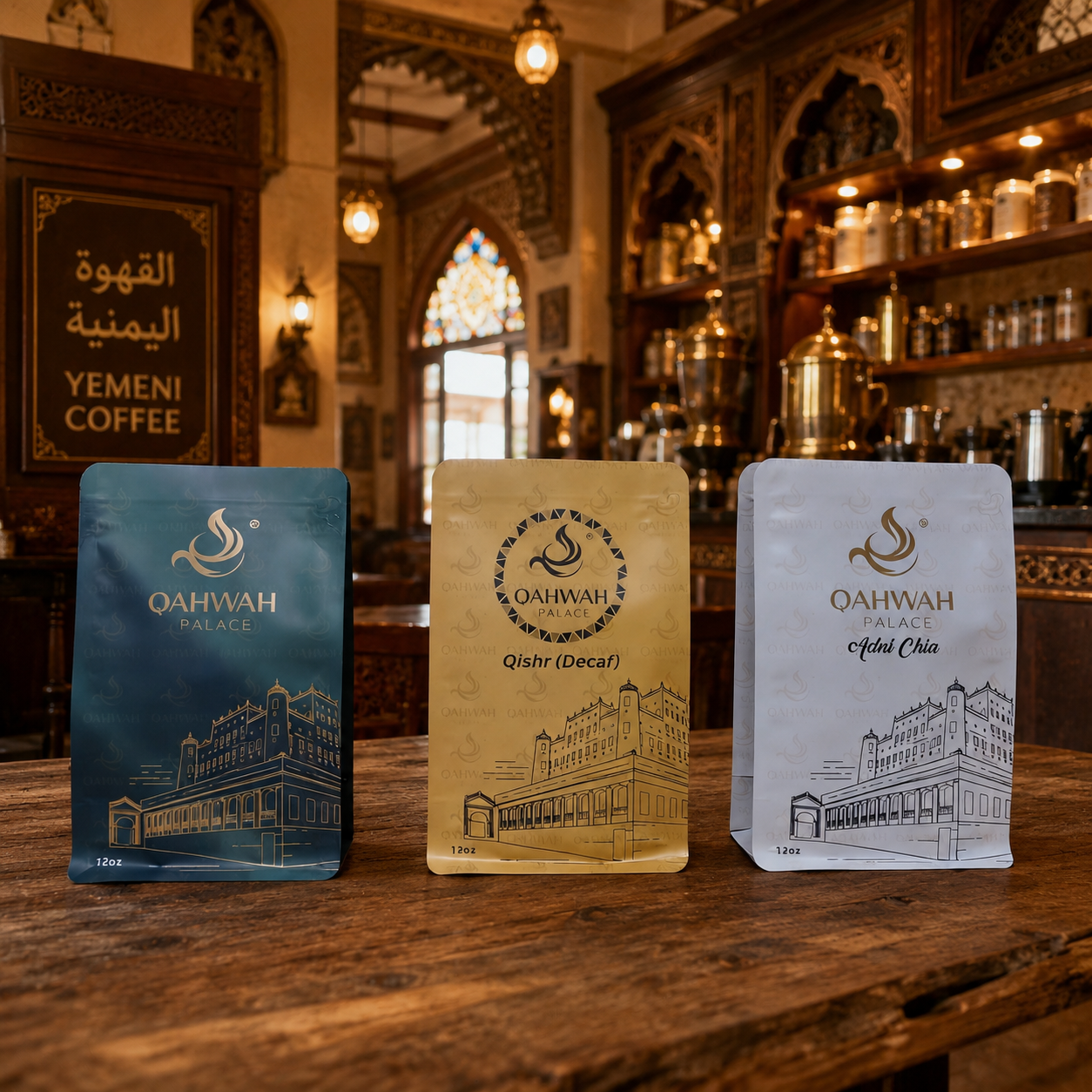
The Four Key Degradation Threats to Roasted Coffee
Oxygen exposure and lipid oxidation: why coffee bags must be oxygen-barrier sealed
Roasted coffee contains delicate oils that oxidize rapidly when exposed to atmospheric oxygen, triggering lipid oxidation—a chemical reaction that causes rancidity and irreversible flavor loss. Research shows coffee can lose up to 70% of its volatile aromatics within 14 days without protection, transforming vibrant notes into flat, cardboard-like off-flavors. To prevent this, high-performance coffee bags use oxygen-barrier materials with O₂ transmission rates below 0.5 cc/m²/day. Metallized films or aluminum foil layers achieve this by creating an anaerobic environment while preserving CO₂’s natural protective blanket around the beans.
Moisture ingress, water activity, and mold risk — how coffee bags control humidity transmission
Roasted coffee is highly hygroscopic and readily absorbs ambient moisture—raising its water activity (Aw). Once Aw exceeds the 0.3–0.5 safety threshold, conditions become favorable for mold growth and ochratoxin contamination. Each 1% increase in moisture content accelerates staling reactions fourfold and promotes clumping. Quality coffee bags counteract this with multi-layer laminates incorporating humidity-blocking polymers like EVOH or PVDC, maintaining water vapor transmission rates under 0.5 g/m²/24 hr. This level of moisture control preserves bright acidity and structural integrity, even in tropical or humid environments.
Light and heat degradation: UV protection and thermal stability in premium coffee bags
UV radiation catalyzes photodegradation, breaking down chlorogenic acids and essential oils through free radical formation. Studies confirm light-exposed coffee loses 40% more aroma compounds in half the time compared to dark-stored equivalents. Concurrently, temperatures above 25°C (77°F) exponentially accelerate oxidation. Premium coffee bags address both threats using opaque or foil layers that block 99.9% of UV wavelengths, reflective surfaces that reduce heat absorption by up to 60%, and insulating air gaps that stabilize internal temperature during transport. Together, these features prevent “baked” notes and preserve nuanced flavor complexity.
High-Barrier Materials and Sealing Technologies in Modern Coffee Bags
Aluminum foil, metallized PET, and multilayer laminates — barrier performance data for coffee bags
Modern coffee packaging relies on engineered materials to deliver measurable freshness protection. Aluminum foil laminates provide near-zero oxygen transmission (<0.005 cc/m²/day) and ultra-low moisture vapor transmission (<0.01 g/m²/day), forming an impermeable shield against oxidation and humidity. Metallized polyethylene terephthalate (PET) offers flexible, recyclable performance with oxygen transmission under 1.0 cc/m²/day. Multilayer structures—such as kraft paper combined with EVOH—achieve oxygen barriers below 0.1 cc/m²/day while balancing sustainability and durability. Independent testing confirms these high-barrier solutions extend shelf life 3–5 times longer than standard packaging by limiting annual oxygen ingress to less than 1%.
Heat sealing integrity: ensuring continuous protection from production to end use
Even the most advanced barrier materials fail without hermetic closure. Precision heat sealing fuses packaging layers at 160–200°C for 0.5–2 seconds, forming molecular bonds stronger than the base materials. Critical parameters include pressure calibration (20–40 psi, adjusted for thickness), cooling duration (1–3 seconds for optimal bond crystallization), and seam width (minimum 5 mm to eliminate channel leaks). Industry-standard leakage tests show optimized seals withstand 3–5 psi internal pressure—well beyond typical distribution stresses. When executed correctly, heat seals maintain barrier continuity from roasting through final brew, preventing the 15–30% freshness loss linked to compromised packaging.
One-Way Degassing Valves: Essential for Freshness Without Oxidation
How degassing valves enable CO₂ release while blocking O₂ ingress in coffee bags
Freshly roasted coffee emits carbon dioxide (CO₂) for several days post-roast. Without controlled venting, internal pressure buildup can swell or rupture standard packaging. Degassing valves resolve this with a one-way membrane: they open only when internal pressure exceeds ambient air pressure, releasing excess CO₂, then reseal automatically once equilibrium is restored. Crucially, this mechanism blocks oxygen (O₂) ingress—the primary driver of lipid oxidation in coffee oils. By permitting CO₂ egress while excluding atmospheric oxygen, degassing valves sustain a protective, low-oxygen environment throughout degassing, directly supporting flavor retention and shelf-life extension.
Resealable Features and Post-Opening Shelf Life Extension
Zipper functionality and real-world O₂ transmission rates before and after opening coffee bags
Resealable zippers significantly slow post-opening staling by limiting oxygen ingress. Unopened high-barrier coffee bags typically maintain oxygen transmission rates (OTR) below 0.1 cc/m²/day. Once opened, non-resealable bags experience OTR spikes exceeding 50 cc/m²/day—driving rapid flavor deterioration. In contrast, press-to-close zippers reduce post-opening OTR to under 10 cc/m²/day, extending usable shelf life by up to 50%. This improvement reduces household coffee waste and maintains sensory quality between uses. For consumers, the convenience of an effective in-bag seal also minimizes secondary exposure to moisture and volatile aroma loss—eliminating the need to transfer beans to external containers.
FAQ
Why is oxygen exposure harmful to roasted coffee?
Oxygen exposure triggers lipid oxidation in coffee oils, leading to rancidity and flavor loss. It can cause coffee to lose up to 70% of its volatile aromatics within 14 days.
How do coffee bags prevent moisture ingress?
Quality coffee bags use multi-layer laminates with humidity-blocking polymers, keeping water activity below the safety threshold and preventing mold growth.
What is the role of UV protection in coffee bags?
UV radiation can break down essential oils. Premium coffee bags use UV-blocking layers to prevent photodegradation and preserve flavor complexity.
How do degassing valves work?
Degassing valves release excess CO₂ without letting oxygen in, maintaining a low-oxygen environment and extending the coffee's shelf life.
Why are resealable zippers important?
Resealable zippers limit oxygen ingress after opening, reducing staling and extending the coffee's shelf life by maintaining sensory quality.