
 EN
EN



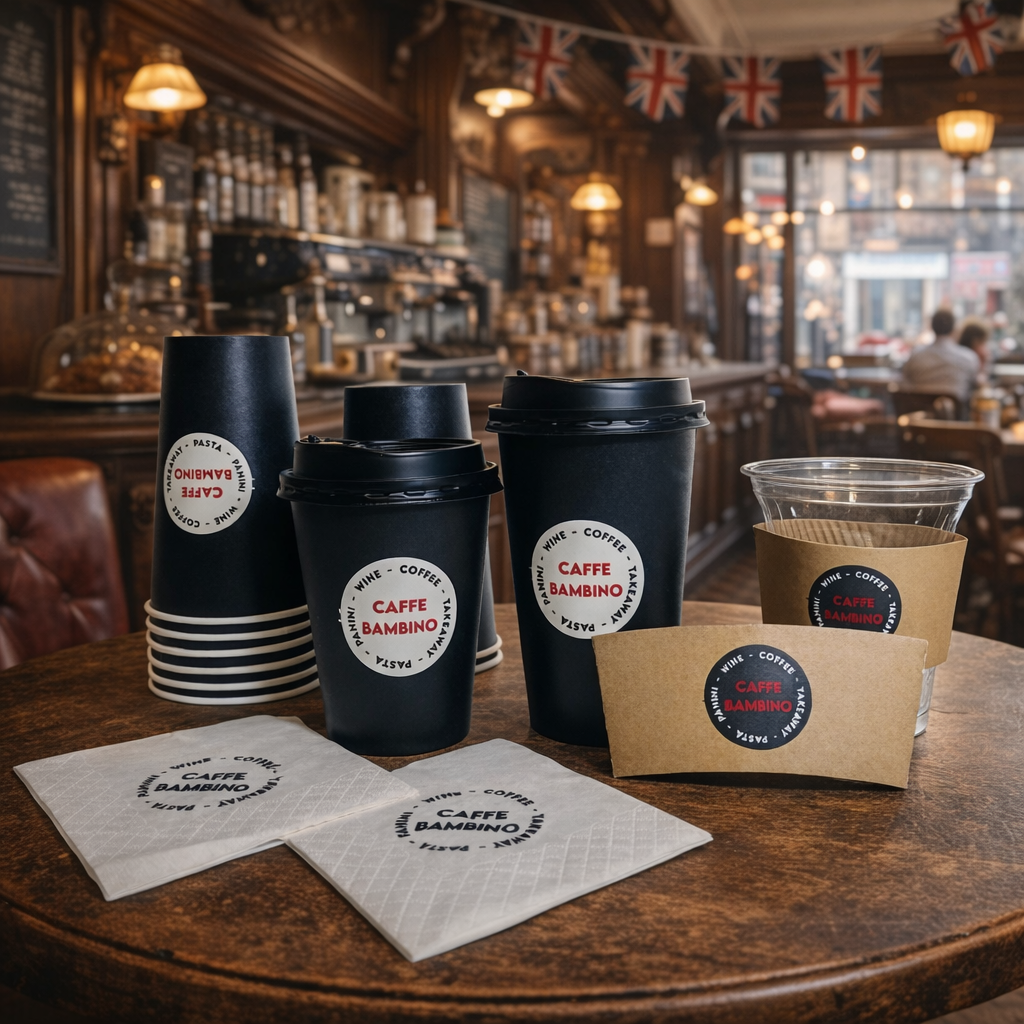
Understanding Wholesale Custom Napkin Ordering for Restaurants
How the Wholesale Process Works: From Design to Delivery
Ordering custom napkins wholesale begins with design consultation—restaurants submit artwork or collaborate with supplier design teams. Next, material selection follows, choosing between airlaid, micropoint, or recycled options based on durability, absorbency, and brand values. After finalizing design and material, a physical prototype is produced to confirm color accuracy, texture, and fold integrity. Once approved, production begins, with quality control checks integrated at printing, cutting, and packaging stages. Finalized napkins ship directly to restaurant locations via consolidated freight. Standard delivery timelines span 6–8 weeks total from initial consultation; rush services (25% fee) compress this to 3 weeks. As noted in the Food Service Logistics Report (2023), 68% of restaurants streamline supply chains by consolidating linen orders—including custom napkins—with single suppliers.
MOQs, Pricing Tiers, and Volume-Based Cost Savings
Minimum order quantities (MOQs) typically start at 1,000 units, ensuring cost-effective production runs. Suppliers use volume-based pricing tiers to reward scale:
- 1,000–4,999 units: Base pricing ($0.18–$0.22/unit)
- 5,000–9,999 units: 15–20% discount
- 10,000+ units: 25–30% discount
Restaurants ordering 10,000+ units achieve an average 32% cost reduction compared to small orders, per the National Restaurant Association (2023). These savings stem from spreading fixed costs—like custom printing plates ($150–$300)—across more units. Multi-location chains gain further leverage through centralized ordering, which often qualifies for top-tier discounts. Always request tiered quotes when evaluating suppliers to compare true unit economics.
Choosing the Right Custom Napkins: Materials, Printing, and Brand Alignment
Material Options—Airlaid, Micropoint, and Recycled Napkins Compared
Material choice shapes both guest perception and operational performance. Airlaid napkins deliver a cloth-like feel and high absorbency—ideal for casual to mid-range dining where tactile experience matters. Micropoint offers balanced softness and strength with reliable lint resistance, making it a pragmatic choice for high-turnover settings. Recycled napkins, crafted from post-consumer fiber, meet sustainability goals without compromising durability—especially valued by eco-conscious brands. Ply count also matters: two-ply airlaid works well for hand-wiping, while three-ply adds spill-handling capacity. Fine-dining venues often select plush airlaid for its premium impression; quick-service operators may prioritize micropoint’s cost-efficiency and consistency. Always test a physical sample before committing—absorbency, fold crispness, and color fidelity vary meaningfully across materials and suppliers.
Custom Printing Techniques and Color Matching for Restaurant Branding
Once material is selected, imprinting your logo or motif becomes the next strategic step. Flexographic printing—using water-based inks—is the industry standard for custom napkins, delivering sharp, consistent results for bold logos and clean typography. For elevated branding, foil stamping adds metallic accents (gold, silver, rose gold) with tactile distinction, though it increases per-unit cost. Precise color matching is non-negotiable for brand integrity: reputable suppliers align to Pantone references—not RGB or CMYK approximations—to ensure consistency across napkins, menus, and signage. Avoid intricate line work or fonts under 8 pt, as napkin fibers can blur fine details. Instead, prioritize high-contrast, simplified designs that remain legible when folded or damp. Embossing offers a subtle, ink-free alternative that conveys sophistication through texture alone. Crucially, always review a printed proof before full production—it’s the only reliable way to verify alignment, ink saturation, and registration accuracy. Done well, custom printing transforms a functional item into a quiet, repeated brand reinforcement.
Selecting Napkin Types by Service Context and Customer Experience Goals
Napkin type should align precisely with service flow and guest behavior—not just aesthetics. Beverage napkins (typically 5" × 5") support one-handed use at bars and coffee stations, enabling fast table turnover and spill containment. Luncheon napkins (6.5" × 6.5") strike a practical balance for handheld meals—common in casual dining and buffet lines—offering sufficient coverage without excess bulk. Dinner napkins (larger, often 7" × 7" or rectangular) elevate plated service, reinforcing formality and intentionality in fine-dining or special-event settings. Rectangular guest towels excel in restrooms, dessert displays, or VIP lounges, where neat stacking and hygiene are priorities. When multiple service zones exist—such as dual bar stations or a dedicated espresso counter—add a 10–15% station multiplier to your order volume to prevent mid-shift shortages. Thoughtful napkin mapping doesn’t just control cost—it signals operational awareness, turning routine interactions into moments of considered hospitality.
Logistics, Lead Times, and Reliable Fulfillment for Restaurant Supply Chains
Standard vs. Rush Production Timelines and Multi-Location Shipping Options
Production timing must align with your operational calendar—not just your marketing calendar. Standard lead times for custom napkins run 4–6 weeks from design approval through manufacturing and QC—ideal for seasonal menu rollouts, rebranding, or planned expansions. Rush production (1–2 weeks) is viable for urgent needs—like replacing damaged inventory or supporting pop-up events—but carries a 25% premium and may limit material or printing options. For multi-location groups, centralized ordering isn’t just convenient—it’s strategic: it unlocks higher discount tiers, simplifies forecasting, and enables coordinated delivery windows. Key logistics considerations include supplier warehouse proximity (to cut transit time), batch-specific labeling (for seamless receiving), and real-time shipment tracking. The most resilient partnerships offer flexible scheduling—e.g., staggered deliveries across quarters—to smooth inventory curves and avoid overstocking or stockouts during peak service periods.
FAQ
-
What are the benefits of ordering custom napkins wholesale?
Custom napkins allow restaurants to enhance their brand presence and improve guest experience. Wholesale ordering provides cost savings, consistency in quality, and convenient supply chain management. -
How do I choose the right material for custom napkins?
Material selection depends on guest experience goals and operational needs—airlaid for absorbency, micropoint for cost-efficiency, and recycled for sustainability goals. -
What is the typical lead time for custom napkin orders?
Standard lead time is 4–6 weeks from design approval, whereas rush orders can be delivered in 1–2 weeks with additional fees.