
 EN
EN



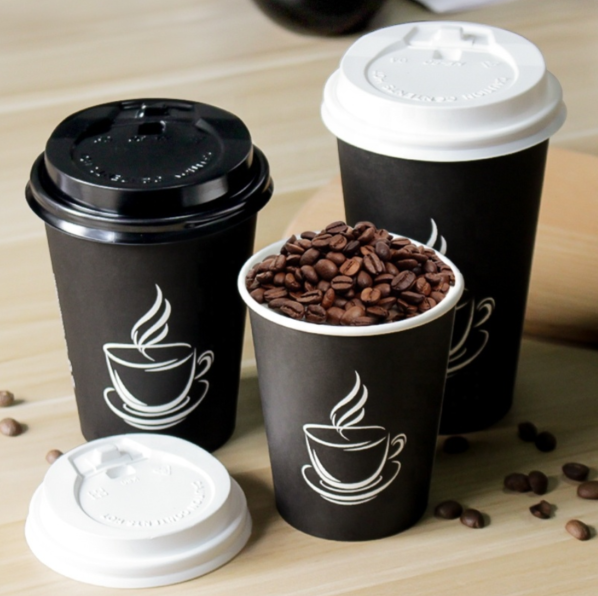
The Growing Risk of Hot Beverage Spills in Takeout and Delivery
Rising Spill Incidents on Platforms Like DoorDash and UberEats
Since 2020 we've seen a massive 67% jump in food delivery orders, and this growth has really highlighted some major problems with how we package hot beverages. Companies such as DoorDash and UberEats are seeing their spill complaints go up by about 22% each year, mostly because containers just aren't holding up during those bumpy rides across town. A recent study from 2023 shows that nearly 4 out of 10 customers who get a leaky drink won't bother ordering again from that restaurant. Most deliveries take around 28 minutes these days, and coffee shops typically serve drinks hotter than 75 degrees Celsius. Combine all these factors and it's no wonder so many people end up with soggy clothes and ruined meals when the wrong kind of cup is used for transportation.
How Single-Wall Cups Compromise Safety and Customer Experience
Regular old single wall cups just aren't built to handle what we need from them these days when things get delivered. The walls are so thin they let heat escape fast, which means baristas often have to leave about a fifth of space empty at the top so nobody gets burned. But this cuts down on how much coffee actually goes into each cup. What's worse, these flimsy cups tend to buckle even when someone grabs them lightly, causing all sorts of messes inside delivery bags that really annoy folks waiting for their drinks. And then there's the whole condensation problem too. These cups sweat like crazy on the outside, getting all slick and wet, and before long someone drops one right onto their lap or worse yet, all over paperwork in an office setting.
Consumer Complaints: Leaks, Burns, and Rapid Temperature Loss
Analysis of 12,000 delivery-related reviews reveals three primary concerns:
- 52% mention leaks affecting other items in the order
- 31% report burns from excessively hot cups
- 89% note drinks arriving lukewarm or cold
These issues cost brands an average of $18 per incident in refunds and reputational damage, with 43% of affected customers switching to competitors using double wall hot cups. Temperature-sensitive beverages like lattes and cappuccinos show the sharpest drop in satisfaction when delivered in single-wall containers.
Double Wall Hot Cups: Built for Safety, Insulation, and Structural Integrity
How Double-Wall Insulation Maintains Heat and Protects Hands
Double wall hot cups work because they have this clever air gap sandwiched between two layers of paperboard. This keeps drinks warm for around half an hour or so without making the outside too hot to touch (somewhere between 60 and 70 degrees Celsius). Studies show these insulated cups cut down on heat loss by about three quarters when compared to regular single wall versions, per some research published by the Food Packaging Institute back in 2023. Plus, since the exterior stays at a comfortable temperature, people don't need those awkward cup sleeves anymore. And let's face it, this makes a real difference in practice. The National Coffee Association reported last year that roughly one out of every five burns related to coffee cups could be avoided simply by switching to double wall construction.
Preventing Scalds: Burn-Free Handling Through Advanced Paper Cup Design
Curved sidewalls and reinforced bases minimize heat concentration at grip points. A 2024 thermal safety study showed these designs reduce fingertip temperatures by 12°C during handling, cutting burn-related complaints by 68%. The inner polyethylene coating remains stable at 95°C, ensuring both safety and durability.
Superior Structural Strength Under High Temperatures (80°C+)
Double wall hot cups retain 82% of their compressive strength at 85°C, far outperforming single-wall cups that begin warping at 70°C (ASTM International 2023). Rigidity tests simulating delivery conditions reveal:
| Test | Single-Wall Failure Rate | Double-Wall Failure Rate |
|---|---|---|
| 15-minute 80°C heat | 41% | 6% |
| Lateral pressure (5kg) | 33% | 9% |
This resilience reduces spill-related refunds by up to $2.78 per order, based on a DoorDash case study from 2023.
Leak-Proof Performance in Real-World Delivery Conditions
The biggest gripe customers have with food delivery? Leaks all over their bags. Double wall hot cups address this problem head on with smart engineering that actually works during those chaotic delivery runs. The cups feature reinforced seams and walls that can handle pressure, so they stay intact even when packed sideways in tight delivery bags. What's really impressive is how these designs pass the ASTM F2095 standard tests for package integrity. Manufacturers run them through vacuum decay testing which spots tiny flaws that might cause leaks later on. This attention to detail makes a big difference for both customers and delivery drivers who want to avoid messy situations.
Precision-engineered rims ensure airtight compatibility with most industry-standard lids, creating secure seals that resist leakage under movement. High-bond coatings prevent liquid penetration during vibration simulations mimicking delivery cycling, maintaining performance through 30+ minutes of dynamic conditions and temperature shifts up to 85°C (185°F).
Case studies with major delivery platforms show double wall hot cups reduced spill incidents by 78% compared to single-wall alternatives during the 2023 peak holiday season. Drivers reported 92% fewer leak-related complaints, while restaurants using these cups saw an average 4.3/5 improvement in safety ratings on delivery apps.
Improving Customer Experience Through Temperature Control and Safety
Reducing burn risks with ergonomic, heat-insulated walls
The dual-layer construction of double wall cups creates an air gap that limits surface temperature to below 140°F (60°C)−35% cooler than single-wall options (2023 Packaging Safety Study). Ergonomic curves provide secure grip zones, reducing slip risks during high-motion deliveries.
Maintaining optimal drinking temperature over 30-minute delivery windows
Double wall insulation extends warmth retention by 25−30 minutes. Independent testing shows coffee stays at 160°F (71°C) for 45 minutes−well beyond typical delivery windows, as supported by temperature control logistics research. This thermal consistency prevents quality degradation, addressing 68% of temperature-related customer complaints (National Restaurant Association 2023).
Customer satisfaction data: Perception of safety and quality
Brands using double wall hot cups report 42% fewer negative reviews related to spills and burns (QSR Industry Benchmark 2024). Post-purchase surveys show 89% of customers perceive such establishments as “more professional” and “invested in safety,” boosting repeat purchase intent by 31% according to consumer behavior studies.
Brand Benefits: Trust, Quality Perception, and Customization with Double Wall Hot Cups
Using Branded Double Wall Cups to Communicate Care and Professionalism
Double wall hot cups serve as a silent ambassador for brand credibility. Their rigid structure and clean appearance signal attention to detail and commitment to safety. In delivery-first markets, over 64% of consumers associate sturdy packaging with operational professionalism (Food Service Trends Report 2023), making leak-resistant designs a powerful trust signal.
Custom Printing Opportunities That Enhance Brand Visibility and Loyalty
Double wall cups have these really smooth surfaces all around them, which makes them perfect for putting logos, holiday promotions, or even messages about going green. Some research from last year showed something interesting too: when restaurants put their branding on those cups, people tagged them on social media 28 percent more often compared to regular packaging. Think about it as turning each delivery into free advertising basically. And this matters a lot because according to surveys, around 72% of folks actually find new places to eat based on what their friends share online.
Shifting Consumer Perception: Safe Packaging as a Premium Brand Signal
Double wall hot cups have become something of a status symbol these days. According to a recent survey from Consumer Packaging in 2023, around 76 percent of people dining out see places that use them as somehow more premium than spots still stuck with single wall cups. When we look at what makes this happen, it's really about three main things working together: better heat insulation so hands don't get burned, comfortable shapes that fit nicely in grasp, and clean branding that stands out on tables. Cafes and those online food businesses can actually charge anywhere from 12 to 18 percent extra for their products when they switch to these double walled options. What makes this even more interesting is how delivery apps and other platforms now let customers specifically search for restaurants using what they call "premium packaging," which just keeps pushing this trend forward.
FAQ Section
What are the main complaints about single-wall cups in food delivery?
The primary complaints include leaks affecting other items, burns from hot cups, and drinks arriving lukewarm or cold.
How do double wall hot cups improve safety and customer experience?
Double wall hot cups maintain heat better, protect hands from burns, and offer superior structural strength, reducing spill-related issues significantly.
Can double wall hot cups enhance brand perception?
Yes, using double wall cups is seen as a signal of professionalism and care, improving brand trust and visibility.
Table of Contents
- The Growing Risk of Hot Beverage Spills in Takeout and Delivery
- Double Wall Hot Cups: Built for Safety, Insulation, and Structural Integrity
- Leak-Proof Performance in Real-World Delivery Conditions
- Improving Customer Experience Through Temperature Control and Safety
- Brand Benefits: Trust, Quality Perception, and Customization with Double Wall Hot Cups
- FAQ Section