
 EN
EN



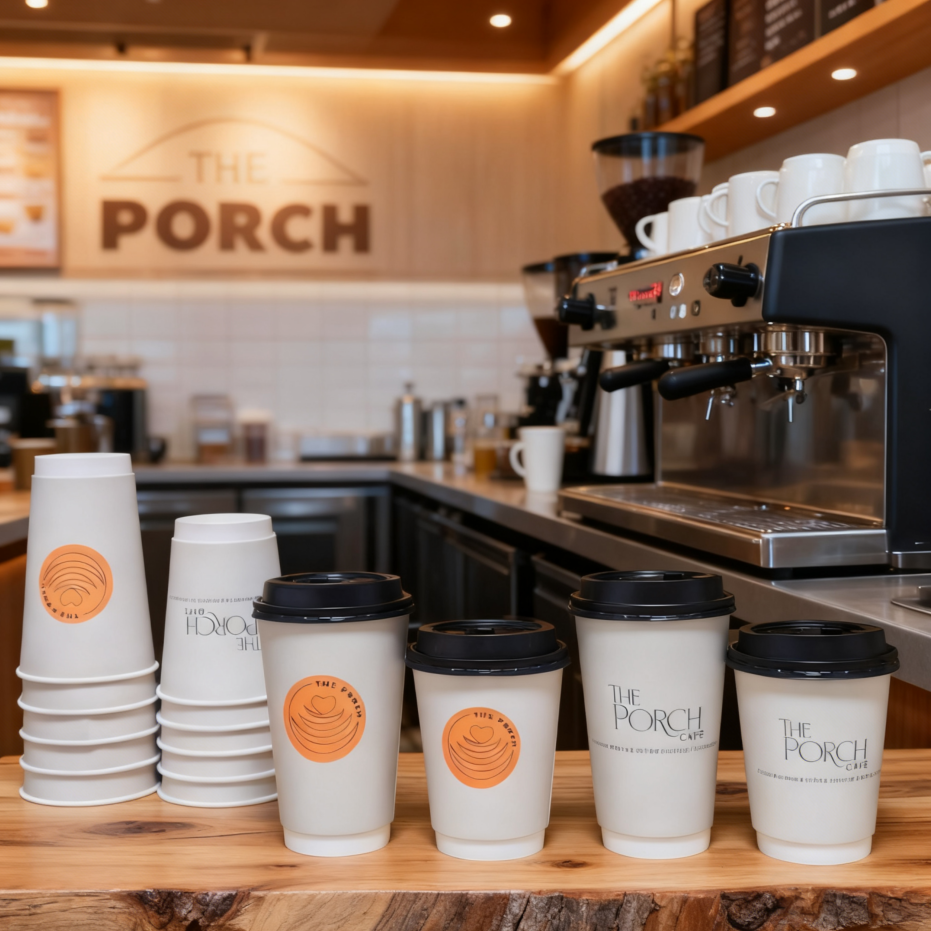
Key Material Choices and Their Impact on Cost and Performance
Paper, Plastic, or Compostable: Comparing Material Costs and Functionality
Regular paper cups still come out as the cheapest option around, costing somewhere between eight to twelve cents each. This is mainly because there's plenty of raw materials available and manufacturing processes have been optimized over time. Plastic cups do stand out when it comes to keeping liquids contained, offering about 30% better leak protection according to some research from PIRA International back in 2023. However, plastic manufacturers struggle with unpredictable costs since they rely on petroleum which fluctuates so much in price. Then we get to those compostable PLA cups that many people talk about these days. They definitely help with environmental worries but come with a hefty price tag. These eco-friendly alternatives typically cost anywhere from 40 to 60% more than regular cups. The reason? Well, there just isn't enough of the special plant-based materials needed to make them, plus they require specific conditions to break down properly. A recent study on material sustainability published in 2023 confirms this situation.
Single-Wall vs Double-Wall Construction: Price, Insulation, and Durability
Regular single wall cups cost around 9 to 15 cents each and work fine for basic needs. Double wall cups though keep drinks hotter because they have that air pocket between walls which adds about 30 to 45 percent better insulation. The downside is they cost roughly 25 to 35 percent more money. Busy cafes where people want their coffee hot for longer find these worth it. Studies from Food Service Packaging Institute back this up showing cafes using double walls get about half as many complaints about cold drinks compared to those with regular cups. So even though they spend more upfront, most cafe owners say customers appreciate the extra warmth and it's actually good business in the long run.
Material Specifications (GSM, Coatings) and How They Influence Quality and Cost
| Specification | Range | Cost Impact | Performance Benefit |
|---|---|---|---|
| GSM (Paper) | 180–250 | +$0.02 per 10 GSM | Improved rigidity |
| PE Coating | 5–8% | +$0.03–0.05 | Leak resistance |
| PLA Coating | 3–5% | +$0.07–0.10 | Compostability |
Higher GSM papers increase material costs—by approximately 18% per 50 GSM increment—but reduce reliance on sleeves and improve cup stability during use.
Compostable Cups: Eco-Friendly Appeal vs Higher Price Tags
Despite consumer preference—with 67% favoring compostable packaging (Smithers 2024)—supply chain constraints keep these cups around 2.5x more expensive than PE-coated versions. Operators often reserve them for premium offerings, absorbing the $0.21–0.28 per unit cost through targeted 15–20% menu price increases on specialty beverages.
Leveraging Bulk Orders and Economies of Scale for Lower Unit Costs
Purchasing custom coffee cups disposable in bulk enables cafés to reduce per-unit costs by 20–35%, ensuring branding consistency and operational efficiency.
How Bulk Purchasing Reduces Per-Unit Pricing for Custom Coffee Cups Disposable
When companies make bigger batches, they spread out their fixed expenses like setting up machines and buying materials over more products. Take this real world scenario: making 50k units instead of just 5k brings down what each item costs by about 28%, according to some industry data from Katana MRP back in 2023. And there's another benefit too. Bigger production runs actually create less waste overall. For instance, running one big batch of 100,000 cups consumes around 15% fewer plastic coatings than doing ten separate smaller runs of 10,000 each time. Makes sense when you think about it, right? Less frequent setups mean cleaner operations across the board.
Minimum Order Quantities (MOQ) and Their Role in Cost Optimization
Most suppliers offer tiered pricing based on order volume:
| Order Quantity | Price Per Cup | Savings vs. Base MOQ |
|---|---|---|
| 1,000 (Base MOQ) | $0.22 | — |
| 5,000 | $0.18 | 18% |
| 10,000+ | $0.14 | 36% |
Aligning MOQs with 3–6 months of demand allows businesses to secure discounts without overstocking. A 12-café chain achieved $8,400 in monthly savings by shifting from 2,000 to 15,000-cup order increments.
Budget-Friendly Strategies for Cafés and Chains Using High-Volume Orders
- Consolidated purchasing: Regional chains combine orders across locations to meet higher MOQ thresholds
- Seasonal forecasting: Ordering holiday-themed cups six months in advance captures off-peak pricing
- Dual-purpose designs: Neutral branding extends usability year-round, minimizing reordering
One Phoenix-based operator reduced annual cup expenses by 22% through quarterly consolidated orders of 45,000 units across eight outlets.
Customization Complexity and Branding: Balancing Aesthetics with Production Costs
Design Elements That Affect Printing Costs: Colors, Logos, and Patterns
Design complexity significantly impacts production costs. Multi-color logos, fine patterns, or textured finishes can raise expenses by 30–40% versus single-color prints (Packaging Cost Analysis 2023). To control costs, brands should simplify designs using 1-2 Pantone colors and avoid gradients or photorealistic elements that require advanced printing techniques.
Print Methods and Brand Visibility: Choosing Cost-Efficient Techniques
Flexo printing works really well when companies need to produce large quantities of the same design over and over again. The cost per unit ends up being much lower compared to what digital printing would charge. On the flip side, digital printing makes sense for smaller runs or when there are variations needed in each batch, though it does come with bigger setup costs upfront. According to some research from the Supplier Partnership Study released last year, businesses that stick to pre-approved template designs save around 18 percent on their prep work costs and still keep their branding recognizable across all materials. For those concerned about both budget and sustainability, water based coatings offer decent protection against spills at reasonable prices while also helping meet green initiatives that many companies now prioritize.
Maximizing Brand Impact Without Overcomplicating Cup Design
Positioning the logo in the upper third of the cup enhances visibility during use and reduces ink usage by 23%. Matching sleeve and lid colors creates cohesive branding without costly dual-side printing. Limit text to 8-10 words in bold sans-serif fonts to maintain readability and streamline production.
Optimizing Size, Supplier Location, and Logistics for Total Cost Savings
How Cup Size Influences Material Use and Overall Pricing
Smaller cups naturally require fewer materials, which brings down production expenses. Take for instance a standard 12 ounce single wall paper cup versus its bigger 16 ounce counterpart. The smaller one actually needs around 18 percent less paperboard, meaning manufacturers can work with lower GSM specifications without sacrificing quality or functionality. But there's a catch when it comes to shrinking sizes. Retailers need to balance cost savings against what customers expect, particularly at coffee shops and fast food outlets where big drinks are becoming increasingly popular. When looking at cold beverages specifically, going with thinner plastic cups that fall below 20 GSM marks can save roughly three cents on each item produced compared to those bulkier insulated options that many consumers have come to associate with better insulation properties.
Domestic vs International Suppliers: Weighing Cost, Reliability, and Lead Times
The price difference between domestic and overseas suppliers is pretty significant, with local companies typically charging around 15 to 25 percent more per item. But what they lose on price, they make up for in speed and quality. Most domestic orders arrive within 2 to 3 weeks compared to the 8 to 12 week wait from foreign factories. And defects? They run under 2% versus 5 to 8% from overseas. For businesses operating across multiple locations, mixing sources tends to work better. The usual approach is getting about 70% of regular stock from Asian manufacturers where costs are lower. Then keep roughly 30% available through nearby suppliers so when those special seasonal items come along or there's a rush order for something unique, everything doesn't fall apart waiting for shipping containers.
Shipping, Reliability, and Hidden Costs in Bulk Orders of Custom Disposable Cups
When companies order in bulk, they often run into surprise costs nobody talks about upfront. Container detention fees alone can hit anywhere from $850 to over $1,200, plus there are those 3–5% customs tariffs to factor in. And let's not forget about warehouse charges either, typically around $0.10 to $0.15 per square foot each month. Smart businesses have started consolidating their shipments through distribution centers situated close to big transportation nodes, which cuts down on those final leg delivery expenses by roughly 18-22%. Take one Midwest coffee shop chain for example. They slashed their yearly logistics budget by nearly a third after moving most of their disposable cup stock to a warehouse in Texas. The trick was using cross docking techniques to keep inventory moving without unnecessary handling. Want to stay ahead of freight surprises? Negotiate FOB shipping terms whenever possible. It might take some extra effort but saves headaches later when bills come due.
FAQs
Compostable cups, while more expensive, offer significant environmental benefits by reducing waste and are preferred by consumers who prioritize sustainability in their purchasing decisions.
Why do paper cups have varying GSM values and how does this affect their performance?Different GSM values impact the rigidity and stability of paper cups. Higher GSM values improve strength and reduce the need for additional sleeves.
How can coffee shops optimize costs when ordering disposable cups?By leveraging bulk orders, aligning minimum order quantities with demand, and choosing simpler designs, coffee shops can substantially reduce their costs and enhance operational efficiency.
What are the benefits and challenges of using domestic suppliers for disposable cups?Domestic suppliers generally offer faster delivery and better quality control but at a higher price compared to international suppliers. Mixing domestic and international sourcing can optimize costs and meet various operational needs.