
 EN




Single-Use Design: The Foundation of Hygienic Paper Cup Safety
Preventing Cross-Contamination in High-Traffic Foodservice Environments
In high-traffic foodservice environments—such as quick-service restaurants, stadiums, and airports—cross-contamination risks escalate when staff handle reusable cups that may carry pathogens from prior users. A single-use paper cup eliminates this vector entirely by delivering a sterile, untouched vessel for every service. According to a 2023 hygiene audit across 100 cafes, facilities using disposable cups reported zero incidents of surface contamination linked to serving vessels, while those relying on washed mugs experienced a 22% detection rate for microbial contamination. This barrier approach disrupts transmission of norovirus, influenza, and common cold viruses—pathogens known to persist on hard surfaces for hours. With foodservice workers handling hundreds of cups daily, a fresh paper cup drawn from a sealed dispenser avoids contact with dishware, sponges, drying racks, or communal sinks—breaking the chain of cross-contact at its source. Unlike reusable alternatives, paper cups require no water-intensive washing cycles, which can inadvertently spread microorganisms if sanitation protocols lapse. Health inspectors increasingly recognize disposable paper cups as a critical control point in HACCP (Hazard Analysis and Critical Control Points) plans, supporting beverage safety where speed and hygiene must coexist.
Microbial Evidence: Why Paper Cups Outperform Reusable Mugs in Real-World Settings
A 2021 university study swabbed 50 reusable mugs from shared office kitchens: 92% tested positive for coliform bacteria, including E. coli in 18% of samples. In contrast, fresh paper cups from sealed packaging showed no microbial growth. Field tests in quick-service restaurants confirmed zero bacterial traces on paper cups. Ceramic and stainless steel surfaces—especially when cleaned in communal sinks with bacteria-laden sponges—can harbor resilient biofilms that resist standard cleaning. Even high-temperature dishwashers may fail to eliminate all pathogens if loading is dense or rinse cycles are insufficient. Single-use paper cups, manufactured under hygienic conditions and coated with moisture barriers, bypass these vulnerabilities entirely. A survey of healthcare foodservice providers found that switching to disposable paper cups reduced beverage-related nosocomial infection reports by 11% over six months. The CDC advocates single-use patient care items to minimize transmission risk—a principle directly applicable to drinking vessels in clinical settings. Paper cups thus serve as a reliable, low-cost engineering control that removes human error from warewashing, aligning with FDA’s Food Safety Modernization Act (FSMA) preventive controls.
Food-Safe Materials and Linings: How Paper Cup Construction Supports Hygiene
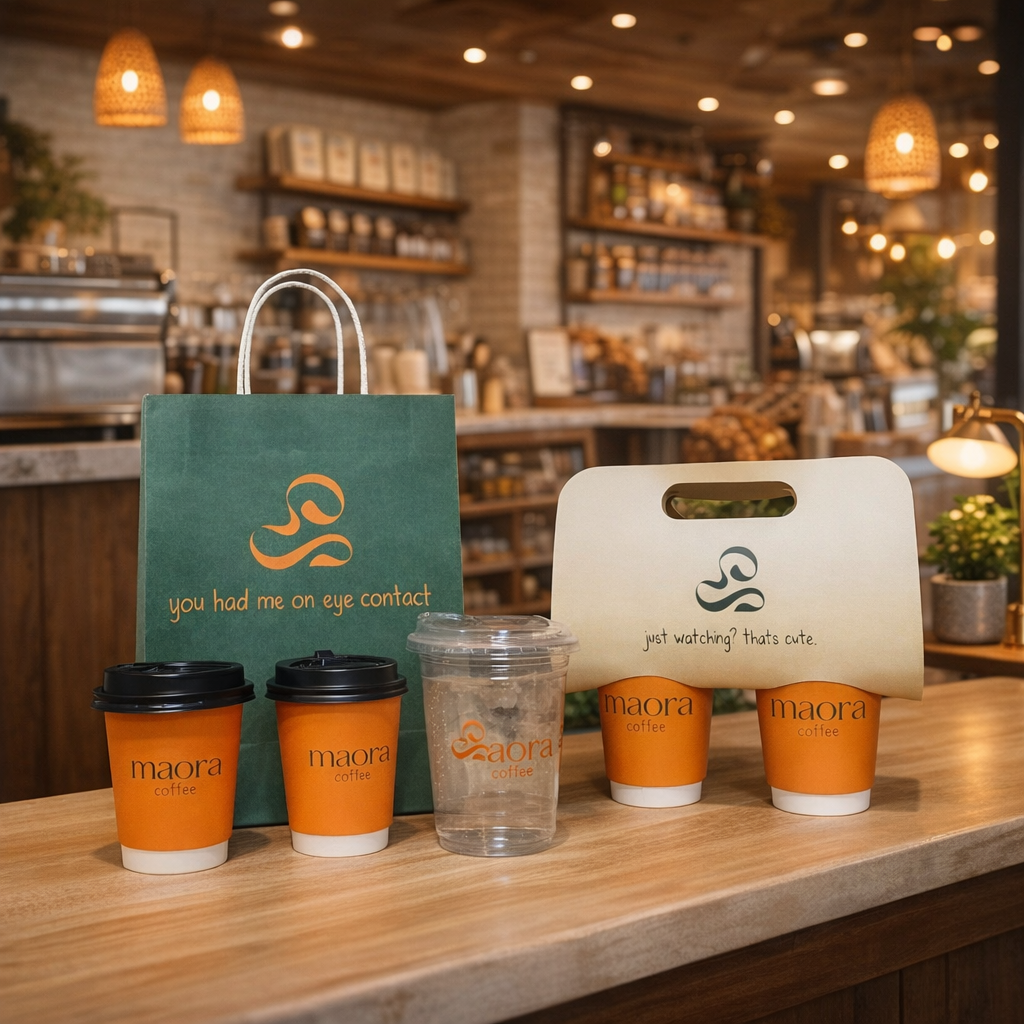
The inner barrier layer of a paper cup is the primary line of defense between a beverage and the consumer. By preventing liquid absorption and blocking direct contact with the base paperboard, this coating preserves both structural integrity and hygienic quality. The choice of lining material directly influences resistance to chemical leaching, microbial penetration, and taste transfer—making it foundational to food-safe design.
PE, PLA, and Water-Based Coatings — Barrier Efficacy Against Leaching and Microbial Penetration
Conventional paper cups use a thin polyethylene (PE) liner to create a robust moisture barrier, effectively preventing leakage into the fiberboard. While PE delivers strong immediate performance, its limited heat stability can allow microscopic migration of low-molecular-weight substances under prolonged contact with near-boiling liquids. Plant-based polylactic acid (PLA) offers a compostable alternative with comparable water-tightness; however, standard PLA softens above 60 °C, so manufacturers often use crystallized, heat-resistant PLA blends to maintain barrier integrity in hot cups. Water-based dispersion coatings represent a newer, plastic-free option. They form an ultra-thin, continuous film without synthetic polymers—drastically reducing leaching risk even under thermal stress. Microbially, all three coating types provide smooth, non-porous surfaces that inhibit biofilm formation. Independent studies indicate water-based barriers exhibit the lowest porosity, physically blocking passage of bacteria and viruses while remaining fully repulpable.
Regulatory Compliance: FDA 21 CFR & EU 10/2011 Migration Testing in Leading Paper Cup Brands
To ensure linings do not compromise safety, reputable paper cup manufacturers submit products to rigorous migration testing under recognized food-contact regulations. In the U.S., FDA 21 CFR Part 176.170 specifies permissible components for paper and paperboard in contact with aqueous and fatty foods—and establishes strict extraction limits for each substance. The European standard EU No. 10/2011 sets an overall migration limit of 10 mg of total substances per square decimeter of surface area for plastic materials and articles, a threshold also applied to multi-material cups. Leading brands go beyond baseline compliance by engaging ISO/IEC 17025-accredited laboratories to test for heavy metals, primary aromatic amines, and specific monomer migration under worst-case temperature and acidity conditions. Consistently achieving non-detectable results confirms that the inner lining forms a hygienic, non-leaching barrier during typical use—providing objective validation of safety claims.
Third-Party Certifications: Verifying Hygiene Claims for Paper Cups
What FSSC 22000, BRCGS, and ISO 9001:2015 Actually Audit in Paper Cup Manufacturing
FSSC 22000—a GFSI-benchmarked certification—audits a paper cup manufacturer’s entire food safety management system, from hazard analysis and prerequisite programs (PRPs) covering sanitation, pest control, and personal hygiene, to raw-material traceability and supplier approval. BRCGS Global Standard for Packaging Materials requires documented risk assessments of contamination sources, environmental monitoring (including pathogen swabbing), and strict site standards for air filtration, water quality, and protective clothing. ISO 9001:2015, though a quality management standard, enforces documented processes, corrective actions, and a Plan-Do-Check-Act cycle—ensuring consistent coating application, absence of defects that could harbor microbes, and packaging that maintains sterility. Collectively, these third-party certifications provide verified, audited assurance: hygiene claims are grounded in systematically controlled production—not marketing.
Real-World Hygiene Impact: Paper Cups in Sensitive Service Environments
Reducing Healthcare-Associated Infection (HAI) Risks with Disposable Paper Cups in Hospitals
In hospitals, disposable paper cups function as a critical infection control measure. Unlike reusable mugs requiring rigorous sterilization, single-use paper cups eliminate cross-contamination risk from shared surfaces and inconsistent washing. Healthcare-associated infections affect 1 in 31 hospital patients on any given day (CDC, 2022), reinforcing the need for dependable disposable solutions. Paper cups—delivered in sterile stacks and used once—prevent pathogen transfer between patients, staff, and high-touch equipment. They are routinely deployed for medication dosing, bedside water service, and oral care, where hygiene is non-negotiable. Their impermeable barrier coatings block microbial penetration even with warm liquids, while their light weight reduces physical strain during tray transport. Clinical observations show that switching from communal pitchers or reusable drinkware to paper cups can reduce contact-dependent bacterial transmission by over 80% in clinical wards. By providing a fresh, untouched drinking vessel for each patient, hospitals maintain consistent sanitation without reliance on manual disinfection protocols prone to human error. Leading healthcare facilities now mandate disposable serviceware—including paper cups—for all patient-facing hydration activities, aligning with WHO infection prevention guidelines and directly supporting HAI reduction strategies for immunocompromised individuals in intensive care or isolation units.
FAQ Section
Why are single-use paper cups considered hygienic?
Single-use paper cups eliminate the risk of cross-contamination by providing a sterile vessel for every use, avoiding contact with communal surfaces like dishware and sponges.
How do paper cups block microbial penetration?
The inner barrier coating of paper cups prevents liquid absorption and microbial penetration, ensuring a hygienic drinking experience.
What materials are used for paper cup linings?
Commonly used materials include polyethylene (PE), polylactic acid (PLA), and water-based coatings, each optimized for different levels of moisture retention and leaching resistance.
Do paper cups comply with official food safety regulations?
Yes, leading paper cup brands undergo rigorous migration testing to meet FDA 21 CFR and EU 10/2011 standards for food contact safety.
Can disposable paper cups reduce infection risks in hospitals?
Yes, hospitals use sterile, single-use paper cups to minimize healthcare-associated infection risks and eliminate human errors associated with manual disinfection protocols.