
 EN



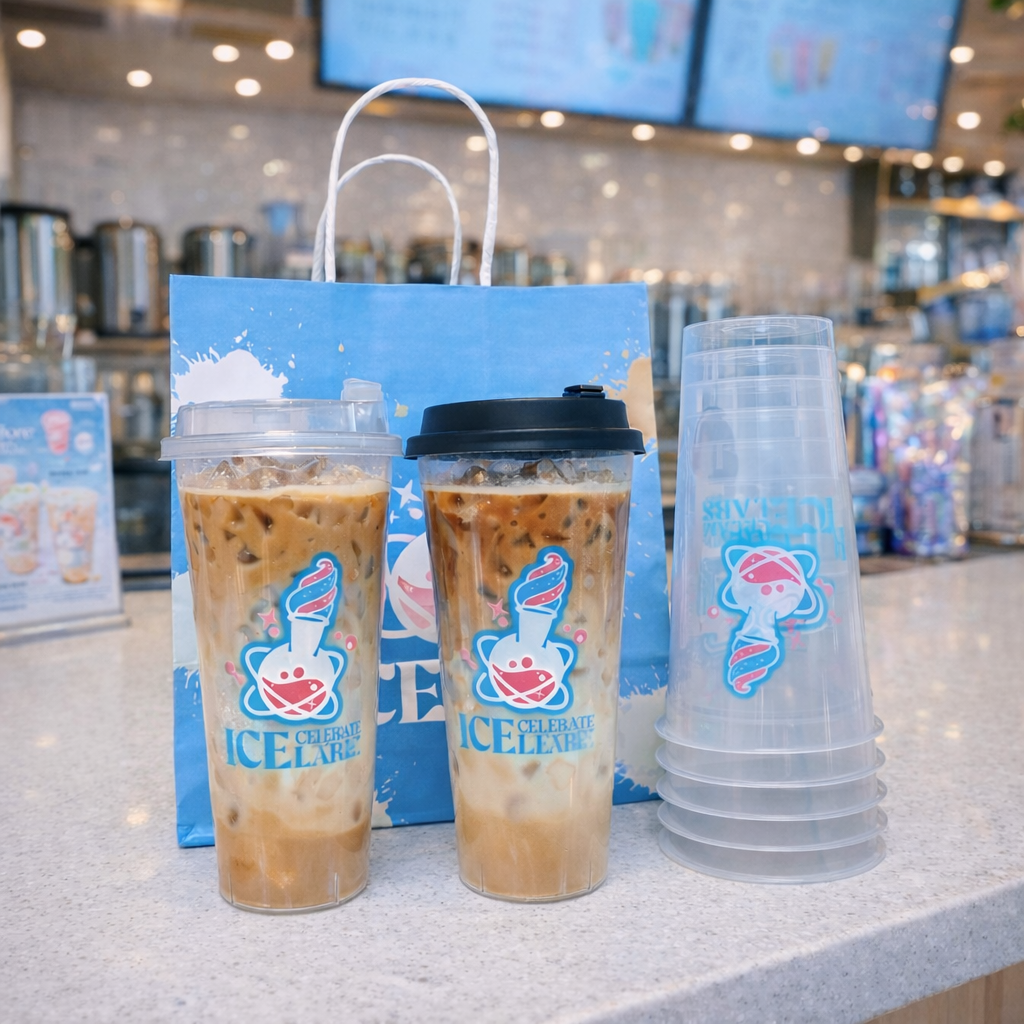
Why Plastic Cups for Cold Drinks Remain the Top Choice for Foodservice Operators
Plastic cups for cold drinks continue to dominate foodservice operations because they solve practical challenges that alternative materials often cannot. For operators handling high-volume iced beverages, condensation resistance is critical. Unlike paper cups that absorb moisture and gradually weaken, plastic cups maintain rigid structure even during prolonged use—preventing leaks, reducing waste, and ensuring a reliable customer experience from first sip to last.
Clarity is another decisive advantage. Transparent cups showcase layered beverages—like iced lattes or fruit-infused teas—turning a simple drink into a visual selling point. This marketing benefit is impossible with opaque paper or foam. Additionally, plastic cups resist cracking from ice movement and withstand typical handling during transport, delivery, and self-service without compromising safety.
Operational efficiency further reinforces the preference. Plastic cups are lightweight, stackable, and compatible with widely available lid systems, simplifying inventory management and reducing storage demands. While sustainability concerns drive exploration of alternatives, many plastic cups are now recyclable, and the industry continues to advance recycled-content options without sacrificing the performance required for cold beverages.
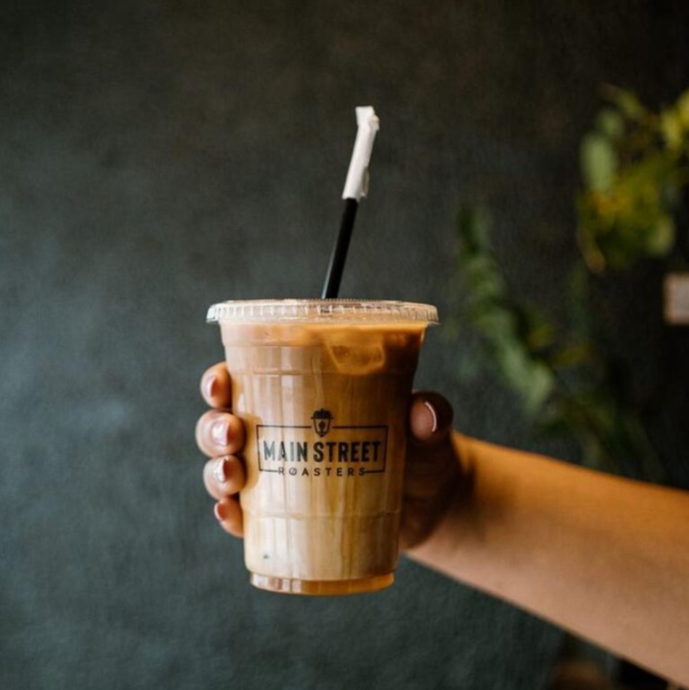
Key Performance Criteria: Clarity, Rigidity, Condensation Control, and Stackability
Clarity, rigidity, condensation control, and stackability directly determine the value of plastic cups for cold drinks in high-volume service. Clear cups showcase vibrant beverages, rigid walls resist gripping collapse, anti-sweat designs keep tables dry, and stackable profiles cut storage and transport costs. Balancing these four traits requires careful matching of material and construction details.
Material Grades (PS, PP, PET) and Their Impact on Cold Beverage Integrity
Each polymer delivers a distinct performance profile for cold beverage service. The table below summarizes how three common materials compare on the key criteria:
| Material | Clarity | Rigidity | Condensation Resistance | Stackability |
|---|---|---|---|---|
| PS (Polystyrene) | Crystal-clear, >90% light transmission | High but brittle; can crack under lateral pressure | Moderate – smooth surface condenses quickly | Excellent with tapered sidewalls |
| PP (Polypropylene) | Slightly hazy; no sparkle | Very high impact strength, flexible | Good – lower thermal conductivity slows sweating | Good, but stack may be less stable due to flexibility |
| PET (Polyethylene Terephthalate) | Exceptional brightness, <2% haze | High; typical top-load strength ≥30 lb | Moderate – benefits from matte-finish options | Excellent; widely recycled and nestable |
PS offers brilliant clarity at a low cost, making it a staple for clear cold cups—but its brittleness demands thicker gauges for secure stacking. PP’s inherent toughness means thinner walls can still resist breakage, and its slight haze often hides condensation spots—a subtle advantage in humid settings. PET combines crystal transparency with rigid, shatter-resistant walls, and its wide recycling stream supports sustainability claims without sacrificing product visibility.
Design Features That Prevent Sweating, Slippage, and Spillage
Beyond raw material, intelligent geometry mitigates common cold-drink issues:
- Condensation (sweating): A fine matte or textured outer surface creates air channels that interrupt the water film, reducing visible sweat. Double-wall construction with an air gap provides the strongest anti-sweat barrier.
- Slippage: Circumferential grip rings, ribbing, or a frosted band give fingers a non-slip purchase—even when the cup is wet.
- Stackability & spillage avoidance: A gradual taper and interlocking stacking lugs prevent jamming and keep stacks stable. A rolled or outward-curled rim adds stiffness and directs condensation drips away from the server’s hand, while a slight undercut at the base discourages messy “cascade” spills when cups are pulled from a dispenser.
Regulatory & Sustainability Requirements for B2B Buyers
FDA Compliance, BPA-Free Certification, and Recyclability Standards
FDA compliance ensures plastic cups for cold drinks meet strict food-contact safety regulations, preventing chemical migration and safeguarding consumer health. BPA-free certification is now a baseline expectation, with alternative polymers like Tritan™ or PET widely adopted to bolster buyer confidence. Recyclability standards—including accurate resin identification codes (RIC)—are critical for substantiating circular economy claims. Adhering to design guidelines from the Association of Plastic Recyclers (APR) improves end-of-life reprocessing potential. Non-compliance risks product recalls and erodes trust, a concern affirmed by 2024 industry research showing sustainability now ranks among the top three B2B purchasing criteria. Pre-shipment third-party lab testing has become standard practice to verify compliance with these evolving requirements.
Navigating Eco-Options: Recycled Content, Compostable Alternatives, and Green Claims
B2B buyers increasingly seek cups that balance environmental appeal with operational reliability. Options containing 25–50% post-consumer recycled (PCR) rPET reduce virgin plastic consumption, but verifying recycled content claims demands traceability documentation—often supported by digital supply chain tracking. Compostable cups made from PLA (polylactic acid) offer a plant-based alternative, yet they require industrial composting infrastructure and may lack the condensation resistance needed for icy beverages. Green marketing claims must be backed by third-party certifications like the Biodegradable Products Institute (BPI) label or EN 13432 to avoid greenwashing. A 2024 procurement study found that 48% of B2B buyers are willing to pay a 5%+ premium for sustainable products, but only 53% feel supplier offerings meet their needs—a gap that transparent Environmental Product Declarations (EPDs) can help close.
Sourcing Smart: How to Evaluate Suppliers for Consistent Quality and Scalable Supply
When sourcing plastic cups for cold drinks, B2B buyers must look beyond unit price and assess a supplier’s end-to-end reliability. A rigorous vetting process protects against quality drift, late shipments, and compliance gaps that can disrupt foodservice operations. Start with a structured checklist to compare candidates objectively. Key evaluation areas include:
- Material and Quality Control: Request documentation on raw material grades (PS, PP, PET) and verify batch consistency for clarity, rigidity, and condensation performance. Third-party certifications confirming FDA or EU food-contact safety and BPA-free status are non-negotiable.
- Production Scalability: Confirm the supplier’s ability to ramp up volumes during peak seasons without sacrificing lead times. Review capacity utilization data and inquire about backup production lines or secondary facilities.
- Logistics and Financial Health: Assess delivery performance history, warehousing conditions, and the robustness of their logistics network. A financially stable partner—evidenced by credit reports or growth trajectory—is more likely to invest in technology and hold safety stock, insulating your supply chain against sudden disruptions.
Use trial orders and plant audits to validate claims firsthand. A scorecard weighting quality consistency, on-time delivery, and innovation helps transform vendor selection from a transactional purchase into a strategic partnership that safeguards your cold beverage program.
FAQ
Why are plastic cups preferred over paper cups for cold drinks?
Plastic cups are more resistant to condensation, maintain structure better, and showcase beverages with high clarity, unlike paper cups that weaken when moist.
What are the key materials used to manufacture plastic cups for cold beverages?
The three common materials are PS (Polystyrene), PP (Polypropylene), and PET (Polyethylene Terephthalate), each offering unique benefits in terms of clarity, rigidity, and condensation resistance.
How do plastic cup designs address common beverage-serving issues?
Intelligent design features like anti-sweat surfaces, grip rings, stackable profiles, and rolled rims prevent issues like condensation, slippage, and spillage.
Are plastic cups environmentally friendly?
Newer plastic cups are recyclable and some contain up to 50% post-consumer recycled content. Compostable options like PLA cups are also available, but require specific industrial composting conditions.
How can B2B buyers ensure the quality of plastic cups?
B2B buyers should assess suppliers based on material certification, compliance with food safety standards, production scalability, and on-time delivery performance.
Table of Contents
- Why Plastic Cups for Cold Drinks Remain the Top Choice for Foodservice Operators
- Key Performance Criteria: Clarity, Rigidity, Condensation Control, and Stackability
- Regulatory & Sustainability Requirements for B2B Buyers
- Sourcing Smart: How to Evaluate Suppliers for Consistent Quality and Scalable Supply
-
FAQ
- Why are plastic cups preferred over paper cups for cold drinks?
- What are the key materials used to manufacture plastic cups for cold beverages?
- How do plastic cup designs address common beverage-serving issues?
- Are plastic cups environmentally friendly?
- How can B2B buyers ensure the quality of plastic cups?