
 EN
EN



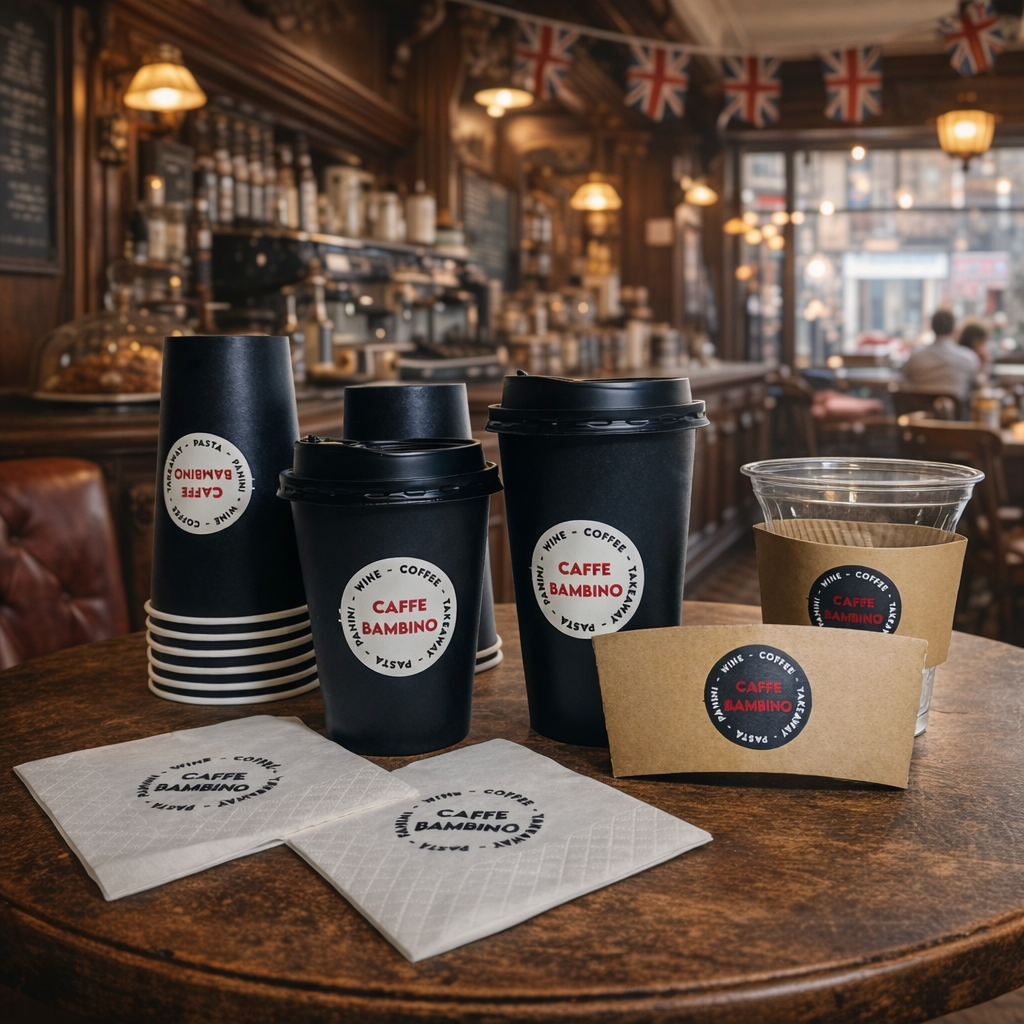
Brand Differentiation: Standing Out with Sustainable Custom Coffee Cups and Sleeves
Breaking Through Market Saturation via Eco-Conscious Design and Messaging
In an oversaturated market where generic disposable cups dominate, custom coffee cups and sleeves made from sustainable materials offer immediate visual and tactile differentiation. Using FSC-certified paperboard or plant-based PLA liners creates a sensory experience that signals environmental commitment before a single word is read—research shows 78% of consumers notice eco-friendly packaging before reading text (Packaging Digest, 2023). The key lies in pairing durable recycled materials with minimalist designs that highlight natural textures, allowing earth-toned fibers to communicate sustainability intuitively. In contrast, conventional sleeves with plastic coatings may feature bold branding but risk cognitive dissonance among eco-conscious patrons who recognize their landfill-bound fate.
Reputation Risks of Greenwashing vs. Credibility Gains from Verified Material Sourcing
Greenwashing poses severe reputational hazards: 65% of consumers abandon brands after discovering misleading sustainability claims (Siegel+Gale, 2023). Unverified “eco-friendly” labels on custom coffee sleeves invite scrutiny—and backlash—when exposed. By contrast, certified supply chains deliver measurable credibility: third-party validations like BPI Compostable certification function as visible trust signals. Consider the impact:
| Verification Level | Consumer Trust Impact | Market Outcome |
|---|---|---|
| Self-declared claims | 48% skepticism rate | 12% loyalty decrease |
| Third-party certifications | 81% perceived reliability | 29% repeat purchase lift |
This transparency strengthens marketing narratives, reduces legal exposure, and transforms packaging into a strategic asset—not just a functional necessity.
Consumer Trust & Loyalty: Why Sustainability in Custom Coffee Cups and Sleeves Drives Repeat Business
Aligning Product Experience with Values: How Eco-Friendly Sleeves and Cups Shape Purchase Decisions
Modern consumers increasingly evaluate brands through an environmental lens—68% are willing to pay more for sustainable packaging (Forbes, 2023). For coffee shops, this translates directly into loyalty: when custom coffee cups and sleeves visibly reflect eco-values, they shape decisions at the point of sale. A sleeve made from recycled paperboard conveys authenticity more powerfully than vague “green” messaging, reinforcing perceptions of operational integrity and product quality. This alignment transforms routine transactions into value-driven endorsements—where choosing to reuse a branded cup becomes a personal expression of shared ethics.
Data Insight: 73% Prefer Brands with Third-Party Verified Sustainable Packaging (NielsenIQ, 2023)
Credibility is non-negotiable. NielsenIQ’s 2023 study confirms that nearly three-quarters of consumers prioritize brands using certifications like FSC or BPI for packaging. When verification seals appear on sleeves and cups:
- Trust compounds across transactions, reducing perceived greenwashing risks
- Repeat purchases increase by 12–18% among eco-conscious demographics
- Social sharing surges—verified packaging is three times more likely to appear in user-generated content
Third-party validation doesn’t just reassure—it converts skeptical buyers into loyal advocates, turning disposable items into recurring revenue drivers.
Economic Advantages: Cost Efficiency and Competitive Edge from Sustainable Custom Coffee Cups and Sleeves
Lifecycle Savings: Reduced Waste Disposal Fees and Bulk Sourcing Benefits of Recycled Paperboard
Switching to sustainable custom coffee cups and sleeves made from recycled paperboard delivers measurable cost efficiencies across the product lifecycle. Bulk sourcing of recycled materials typically costs 12–18% less than virgin paperboard, while streamlined manufacturing further lowers per-unit expenses. Crucially, businesses avoid municipal waste disposal fees—which average $55 per ton nationally (EPA, 2023)—by using compostable sleeves that divert waste from landfills. One regional café chain reported a 23% reduction in operational costs within a year of adopting fully compostable cup systems. Standardized designs also simplify inventory management, eliminating redundant SKUs and lowering storage overhead—enhancing margins while strengthening eligibility for sustainability-focused tenders and partnerships.
Growth Acceleration: Scaling Brand Authority Through Sustainable Custom Coffee Cups and Sleeves
Case Study: Premium Roaster’s 32% Loyalty Uplift After Launching Compostable Sleeve + Cup System
A specialty coffee chain demonstrated how sustainable custom coffee cups and sleeves drive measurable growth. After transitioning to FSC-certified compostable paperboard sleeves and plant-based PLA-lined cups, they achieved a 32% increase in repeat customer rates within eight months. Third-party analysis identified the packaging overhaul as pivotal—79% of surveyed customers cited the eco-upgrades as their primary reason for returning more frequently. The compostable system also cut annual waste processing costs by 18% and eliminated single-use plastics entirely. This shift elevated the brand’s industry standing: 41% of new customers named its sustainability credentials as their trial motivator. Social mentions of the brand’s eco-packaging grew 210% year-over-year—proof that values-aligned packaging fuels organic advocacy and scalable growth.
FAQ Section
What is the significance of using FSC-certified paperboard?
FSC certification ensures that materials come from responsibly managed forests, enhancing credibility and sustainability.
Why are consumers wary of greenwashing?
Greenwashing involves misleading claims about sustainability, which can damage a brand's reputation and negatively affect consumer trust.
How can businesses benefit economically from sustainable packaging?
Businesses save on costs through reduced waste disposal fees and bulk sourcing benefits of recycled materials.
How do third-party certifications influence consumer behavior?
Certifications increase perceived reliability, encourage repeat purchases, and reduce skepticism towards sustainability claims.
Table of Contents
- Brand Differentiation: Standing Out with Sustainable Custom Coffee Cups and Sleeves
- Consumer Trust & Loyalty: Why Sustainability in Custom Coffee Cups and Sleeves Drives Repeat Business
- Economic Advantages: Cost Efficiency and Competitive Edge from Sustainable Custom Coffee Cups and Sleeves
- Growth Acceleration: Scaling Brand Authority Through Sustainable Custom Coffee Cups and Sleeves
- FAQ Section