
 EN
EN



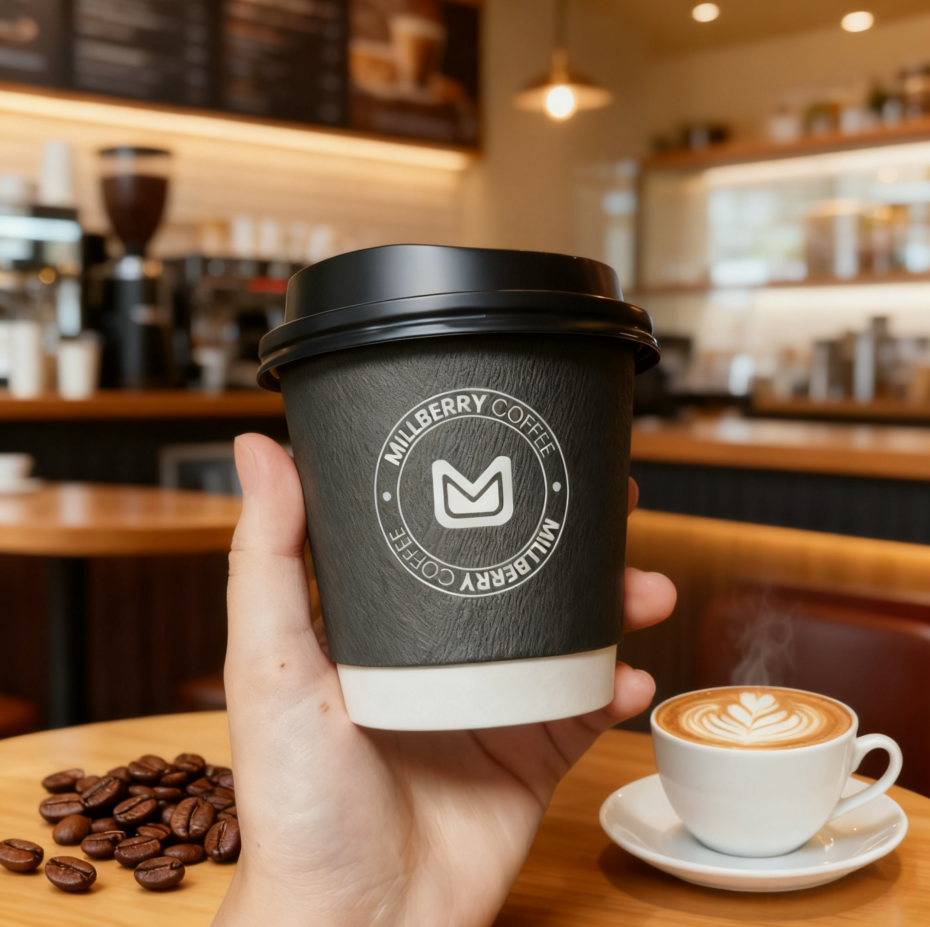
Align Brand Identity with Branded Coffee Cup Design
Reflect Brand Personality Through Color, Shape, and Typography
The coffee cup itself becomes sort of a physical representation of what a brand stands for. Some studies indicate that companies which keep their branding visuals consistent throughout all materials tend to grow revenues around 30-35% faster than those with mixed messages in their marketing. Take minimalist brands for instance they usually go for clean lines and sharp angles on their cups, sticking to single color schemes most of the time. On the flip side, more fun oriented businesses will often pick rounder shapes and bright colors that stand out. What people write on these cups matters too. Traditional serif typefaces give off an old school vibe, like something from a family owned shop passed down through generations. Meanwhile, those chunky sans-serif fonts scream contemporary style, something we see everywhere now in tech startups and modern cafes.
Choose Colors That Reinforce Brand Identity and Emotional Tone
The colors we see when shopping actually affect what we buy, according to research showing around 85 percent of people consider color their main reason for picking something off the shelf back in 2023 from Advertising Specialty Institute. Think about it this way: coffee shops wanting to look green often go for those warm earth tones like olive and terracotta because they scream nature lover vibes. Meanwhile upscale places serving fancy espresso shots tend to throw in some gold touches here and there just to make customers feel like they're getting something really special.
Ensure Brand Consistency Across All Customer Touchpoints
Consistent branding transforms disposable cups into memorable brand assets. Unified visual identities improve recognition by 5.7x across physical and digital channels. To achieve this, align cup designs with your website, social media, and store decor—using exact Pantone colors and consistent logo proportions.
Strategic Logo Placement for Maximum Recognition
Position logos in the top third of the cup, where they remain visible during sipping. Secondary branding on sleeves or heat shields can reinforce identity without clutter. Dual-location branding increases logo recall by 42% compared to single placements.
Use Attention-Grabbing Design Elements Effectively
Leverage Contrast, Whitespace, and Visual Hierarchy
High-contrast combinations like black-on-white boost visibility by 58% in fast-moving environments (Visual Perception Institute 2023). Strategic use of whitespace reduces clutter and directs attention to key elements, improving brand recall by 33% in quick-service settings. Establish a clear visual hierarchy by sizing the logo 1.5x larger than secondary text for instant recognition.
Optimize Use of Cup Surface Space for Visibility
Focus on the front vertical panel—the most visible area when held or shared on social media. Studies show 72% of consumers first notice design elements within the thumb-rest zone (4–6 cm below the rim), making it ideal for logos or slogans.
Keep Branded Coffee Cup Designs Simple and Uncluttered
Designs with more than three graphical elements reduce brand recall by 41% compared to minimalist layouts (Packaging Digest 2023). Use negative space to create breathing room, ensuring clarity in high-velocity consumption environments.
Ensure Readability with Clear, Legible Typography
Choose sans-serif fonts at a minimum 10pt size for legibility at arm’s length. High-contrast text meeting WCAG 2.1 AA standards improves readability by 89% for users with mild visual impairments, supporting inclusive design.
Key techniques for optimizing cup designs:
- Contrast ratio: Maintain 4.5:1 minimum for text/background
- Focal zones: Place key elements within 45° viewing cone
- Motion testing: Validate visibility during simulated walking/drinking motions
Build Emotional Connection Through Personalized Messaging
Design branded coffee cups that evoke emotion and loyalty
Personalized cup designs increase customer retention by 68% compared to generic versions (2023 behavioral study). Subtle details—like textured recycled materials or curved handles—can reflect audience values and deepen emotional engagement. Eco-conscious brands using tactile, sustainable materials report 23% stronger connections with environmentally aware customers.
Incorporate humor, quotes, or seasonal messages
Playful designs featuring cultural references or inspirational quotes generate 48% more social shares (2024 campaign analysis). A chain using weather-based puns like “Raindrops & Coffee Drops” saw a 62% rise in repeat visits during rainy seasons. Holiday cups with interactive features such as scratch-off discounts drive triple the post-purchase engagement.
Craft compelling taglines that align with brand voice
Use concise phrases under seven words that reflect your brand personality:
- Adventurous brands: “Fuel Your Day, Our Way”
- Luxury brands: “Sip the Extraordinary”
Taglines placed 1 inch below the logo improve brand recall by 34% in A/B tests.
Use limited-edition or personalized mugs to boost engagement
Limited-run collections tied to cultural moments generate 81% higher social tagging rates. Cafes offering name-engraved reusable mugs see 55% of millennials repurchase within 90 days, fostering repeat visits. These personalized items also appear in Instagram stories 27% more often than standard designs.
Tailor Branded Coffee Cup Aesthetics to Target Consumer Preferences
Research Audience Demographics and Lifestyle Preferences
Understanding your audience is essential for creating resonant branded coffee cups. Analyze age, profession, and daily habits—72% of millennials prefer eco-friendly materials, while professionals value ergonomic handles for commuting.
| Demographic Factor | Design Consideration | Example |
|---|---|---|
| Gen Z (18–24) | Bold colors, playful patterns | Neon accents with meme-inspired art |
| Remote Workers | 16oz travel mugs | Leak-proof lids for commutes |
| Urban Cafes | Instagrammable textures | Matte finishes with geometric branding |
Match Cup Shape, Size, and Style to Consumer Behavior
A 12oz tulip-shaped cup suits espresso drinkers seeking a premium experience, while 20oz options cater to all-day consumers. For outdoor events, double-walled cups maintain temperature and align with active lifestyles.
Adapt Design Trends to Suit Brand and Audience Alignment
Incorporate retro typography for vintage-themed cafes or minimalist Scandinavian patterns for health-focused audiences. Seasonal themes like holiday snowflakes or summer florals enhance relevance without straying from core branding.
Test Designs with Focus Groups or Pilot Campaigns
Testing ideas works best when brands run A/B tests side by side in the same spot and monitor which version gets more attention through QR code scanning. Companies that actually listen to what customers say tend to keep people coming back about 30% more often than those who don't, according to some experiments at coffee shops last year. Making adjustments after seeing how products perform in actual situations makes all the difference. For instance, widening handles can help seniors get a better grasp while changing the surface texture of sleeves might appeal more to folks riding bikes around town all day.
Balance Creativity with Practicality in Branded Coffee Cup Design
Effective branded coffee cups merge artistic vision with functional requirements to perform as well as they impress.
Prioritize durability, usability, and ergonomics
Materials like ceramic or double-walled stainless steel offer durability and heat retention. Ergonomic handles should accommodate various grip styles, with 78% of hospitality operators in a 2024 survey rating handle comfort as vital to customer satisfaction.
Ensure design visibility during daily use and on social media
Opt for high-contrast colors and simplified graphics that remain recognizable in photos. Cups with bold typography receive 40% more social media mentions than those with intricate illustrations, according to a 2023 beverage industry report.
Consider environmental impact and sustainable materials
Biodegradable PLA or recycled paperboard appeals to 57% of consumers who prioritize eco-conscious purchases (Deloitte 2023). These materials meet performance needs while advancing corporate sustainability goals outlined in comprehensive packaging guidelines, adding long-term value beyond aesthetics.
FAQ
Why is brand consistency important in coffee cup design?
Brand consistency across coffee cup designs enhances recognition and facilitates customer trust, boosting brand visibility across all channels.
What role does color play in coffee cup branding?
Colors convey the emotional tone and identity of a brand, influencing consumer purchasing decisions and enhancing brand perception.
How can logos be effectively placed on coffee cups?
Logos should be positioned in the top third of the cup to ensure visibility during sipping, with secondary branding on sleeves to reinforce the identity.
How can businesses tailor cup designs to their target audience?
Businesses can tailor designs by researching audience demographics and lifestyle preferences, ensuring alignment with consumer interests and behaviors.
What materials should be used for eco-friendly coffee cup designs?
Eco-friendly designs should use biodegradable PLA or recycled paperboard to cater to environmentally aware consumers while meeting performance needs.