
 EN
EN



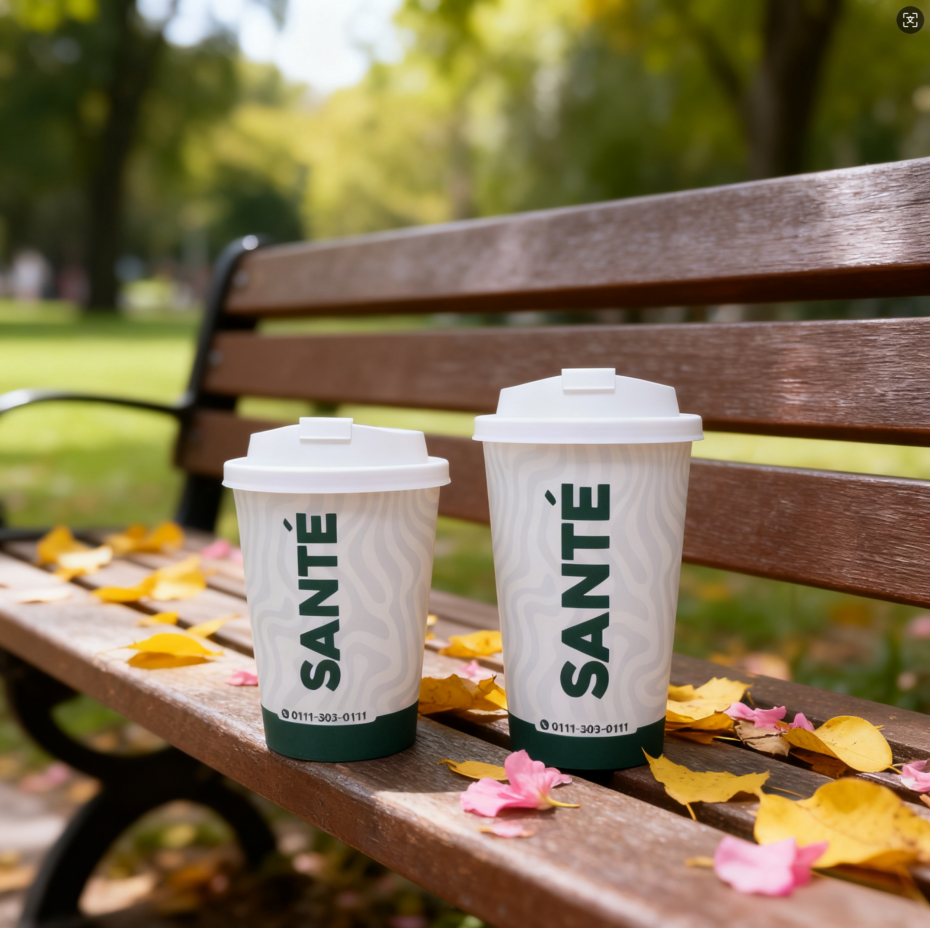
The Environmental Impact of Paper Cups for Coffee Shops
Lifecycle Analysis of Disposable Cups (Cradle-to-Grave)
Paper cups leave quite a mark on the environment right from the start when companies cut down around 6.5 million trees every year just to keep up with what people want worldwide. Making these cups takes a lot too - about 4 billion gallons of water goes into production each year, plus there's roughly 0.11 kg of carbon dioxide emitted for every single cup made according to GetBiopak research from 2023. Most folks think paper cups will just disappear naturally over time, but actually nearly all of them wind up sitting in landfills or getting burned because they have those pesky plastic coatings inside that stop them from being recycled properly.
Carbon Emissions from Paper Cup Production
Producing 250 billion paper cups globally each year releases 27.5 million metric tons of CO2 equivalent to the annual emissions of 6 million gasoline-powered vehicles. Energy-intensive pulping and transportation account for 40% of emissions, while polyethylene (PE) lining production contributes 12% (Emerald Ecovations 2024).
Challenges in Recycling Traditional Paper Coffee Cups Due to Plastic Lining
PE-lined cups contaminate recycling streams, leading facilities to discard 500,000 tons of cups annually. Only 5% of coffee shops use recyclable linings like polylactic acid (PLA). A 2023 survey found that 78% of consumers mistakenly believe traditional paper cups are widely recyclable, highlighting a critical knowledge gap.
Plastic Lining and Its Impact on Recyclability
The 5% PE coating in standard cups requires specialized separation technology, available in only 12 countries. In the U.S., 3.2 million cups enter landfills every hour. Emerging bio-based linings show promise, reducing decomposition time from 20 years to just six months in industrial composting systems.
Consumer Expectations and Brand Perception Around Sustainable Packaging
Consumer Behavior Toward Reusable and Eco-Friendly Cups
A recent DS Smith survey from 2025 found that around 62% of people are steering clear of brands that use packaging that can't be recycled. Cafés that switch to plant-based cup linings or start offering discounts for bringing in reusable ceramic mugs tend to keep their regulars coming back about 23% more often than places still using those old plastic-lined cups. The trend really takes off with younger folks though. Nearly three-quarters of Gen Z customers actually check out what kind of packaging a café uses before deciding where to grab their morning coffee.
Environmental Consciousness in Purchasing Decisions
According to a recent 2024 report from EcoWise, around 7 out of 10 coffee lovers would actually shell out an extra 10 cents or so for their morning brew if it came in those compostable paper cups everyone's talking about these days. When products have clear labels showing they meet standards like ASTM D6400 for compostability, people tend to buy them 41% more often. But here's the catch: nearly 7 out of 10 folks don't really trust marketing buzzwords like 'eco-friendly' unless there's some official stamp of approval from outside organizations. This means businesses need to work closely with suppliers who can back up their green claims with real certifications, not just pretty words on packaging.
How Sustainability Shapes Customer Perception of Coffee Brands
According to Mintel's 2023 Brand Trust Report, about 8 out of 10 people see companies as genuinely environmentally friendly when their paper cups fit into bigger sustainability efforts like going completely waste-free or running on carbon-neutral shipping systems. On the flip side though, nearly half (that's around 56%) won't hesitate to speak out against brands caught in greenwashing tactics. Think companies promoting compostable cups but still using massive amounts of energy for their coffee roasting operations. Businesses that keep putting sustainable packaging at the forefront tend to build much stronger connections with customers. We're talking about roughly 29% more emotional attachment, which means those one-time buyers start becoming real fans of the brand over time.
Innovations in Eco-Friendly Materials for Paper Cups for Coffee Shops
Biodegradable and Compostable Materials in Modern Coffee Cups
The shift toward plant-based materials such as polylactic acid (PLA) and mushroom mycelium is changing how we think about disposable cups. These alternatives cut down on our dependence on fossil fuels and actually work better when it comes to what happens after disposal. According to the 2023 Biopolymer Innovations Report, industrial compost facilities can process PLA-lined cups about 60 percent quicker compared to those lined with traditional polyethylene. And get this mycelium-based packaging will typically break down within just 40 days if placed in the right compost environment. With millions of coffee cups ending up in landfills every year, these new materials could help meet ambitious targets set by cities around the world aiming to phase out single-use plastics completely by next year.
Common Sustainable Materials: PLA, Bagasse, and Starch-Based Coatings
Leading alternatives to traditional cups include:
- PLA: Derived from fermented plant starch, ideal for heat-resistant waterproof linings
- Bagasse: Molded fiber from sugarcane pulp, fully compostable within 90 days
- Starch-based coatings: Water-soluble barriers that replace plastic laminates
According to the Global Packaging Trends Study 2022, these materials reduce landfill contributions by 72% compared to standard paper cups when processed through commercial composting.
Understanding Biodegradability and Compostability Claims
When it comes to sorting through all those green claims on packaging, certifications such as BPI (the Biodegradable Products Institute) and TÜV Austria's OK Compost Home label actually help cut through the noise. The truth is, real compostable cups need special industrial facilities to fully break down over time. This makes them different from products labeled just "biodegradable," since these often end up leaving tiny plastic bits behind. Companies should check if their suppliers meet either ASTM D6400 or EN 13432 standards before making any sustainability promises. After all, nobody wants their brand getting caught in a greenwashing scandal when customers start asking questions about what really happens to those supposedly eco-friendly cups after disposal.
Sustainability Benefits of Switching to Recyclable, Compostable, or Biodegradable Paper Cups
Adopting certified eco-cups reduces lifecycle carbon emissions by 33% compared to traditional models and meets 68% of consumers' expectations for sustainable packaging. When integrated with municipal composting partnerships, coffee shops using plant-based cups report 89% higher customer retention among environmentally conscious demographics.
Corporate Sustainability Initiatives and Industry Leadership
Major Brand Initiatives: Starbucks BYOC and Disposable Cup Phase-Outs
The big coffee shop players are really pushing for greener practices across their operations. Starbucks' Bring Your Own Cup program cut down on throwaway cups by around 22 percent last year according to their reports, and Costa Coffee wants to stop using disposable cups completely within the next couple years. Looking at industry data from the Joint Industry Report published earlier this year shows something interesting too. Businesses that make environmental responsibility part of their core strategy tend to dominate their markets about two and a half times more often than those that don't bother with such initiatives. This makes sense when we think about how consumers increasingly care about what kind of impact their daily purchases have on the planet.
Recyclable and Reusable Cup Programs by Leading Coffee Chains
Over 60% of top 20 coffee chains now offer reusable cup programs, with 34% providing discounts to incentivize participation. A 2024 Beverage Sustainability Report shows these systems cut carbon emissions by 18% compared to traditional paper cups. Such initiatives resonate strongly with consumers—76% of millennials prefer brands with verified eco-packaging efforts.
Independent Coffee Shops Pioneering Deposit-Based Reusable Cup Systems
Cafés around town are getting creative with recycling efforts, especially one chain in San Francisco that manages to get back nearly 92% of its cups thanks to a $1 deposit system. At their ten spots throughout the city, this approach keeps well over 50 thousand paper cups out of landfills every month—something pretty impressive for local businesses trying to cut down waste. Many independent coffee shops work closely with city composting programs too, making sure those special plant-based lined cups actually end up where they should instead of sitting in trash bins. It's all part of creating a real cycle where nothing just gets thrown away.
Addressing Greenwashing Concerns in Eco-Friendly Packaging Claims
Third-party certifications like BPI Compostable and FSC Mix reduce greenwashing risks by 41% (Sustainable Packaging Coalition, 2023). Publicly shared lifecycle assessments build consumer trust—especially important given that 68% of shoppers distrust vague “eco-friendly” claims. To maintain integrity, brands must validate biodegradability timelines and confirm compatibility with local recycling infrastructure.
Strategies for Aligning Paper Cups for Coffee Shops with Authentic Eco-Brand Values
Enhancing Brand Image Through Genuinely Sustainable Cup Choices
A recent 2023 survey on circular economies found that around two-thirds of shoppers actually care about brands using real sustainable packaging. Coffee shops looking to go green should consider switching to paper cups made with compostable stuff like PLA or those plant-based coatings we've been hearing so much about lately. Big name manufacturers are starting to sell cups that have gotten the okay from organizations such as B Corp, FSC, and ASTM D6400. These certifications basically tell customers where the materials came from and what happens to them after disposal. Working directly with suppliers who can explain exactly how they source their materials and handle waste at the end of the product life makes sense if a business wants its environmental claims to match what's happening behind the scenes. Take it from independent tests which found that regular paper cups lined with water-based barriers instead of plastic cut down on microplastic pollution by almost 90 percent when compared to those old-fashioned polyethylene-lined versions still floating around out there.
Balancing Operational Practicality with Environmental Responsibility
Switching to eco-friendly materials requires evaluating cost, durability, and local waste management capabilities.
| Material | Cost per Cup | Compostable? | Heat Resistance |
|---|---|---|---|
| PLA-lined | $0.12 | Yes | Moderate |
| Bagasse | $0.10 | Yes | High |
| Starch-based | $0.14 | Yes | Low |
Independent cafes often choose bagasse for its balance of affordability and performance, with cups decomposing in soil within 12 months. Starch-based options suit regions with established industrial composting, despite a 17% higher upfront cost.
Using Lifecycle Assessment (LCA) to Guide Sustainable Cup Procurement
A 2024 lifecycle analysis found that adopting LCA-driven procurement reduces supply chain emissions by 30% for coffee shops. This method evaluates:
- Raw material extraction impacts
- Energy consumption during production
- End-of-life outcomes (recycling vs. landfill)
Brands using LCA frameworks report 22% higher customer retention by aligning cup choices with regional composting infrastructure. In urban areas, many chains now prioritize dual-certified (recyclable/compostable) cups, reducing contamination in waste streams by 41% (Circular Economy Institute 2023).
FAQ Section
What are the environmental impacts of paper cups used in coffee shops?
Paper cups significantly impact the environment; manufacturing them involves cutting down millions of trees and using billions of gallons of water each year. Additionally, their plastic coatings make recycling difficult, leading to most ending up in landfills.
Why are traditional paper coffee cups hard to recycle?
Traditional paper cups are lined with plastic, usually polyethylene, which makes them hard to recycle. This coating contaminates recycling streams, with most cups ending up in landfills or incinerated instead.
What are some eco-friendly alternatives to traditional paper cups?
Eco-friendly alternatives include cups made with polylactic acid (PLA), bagasse, and starch-based linings. These materials are biodegradable and compostable, offering a more sustainable option.
Do consumers prefer brands with sustainable packaging?
Yes, many consumers, especially younger generations like Gen Z, prefer brands with sustainable packaging. According to various surveys, consumers are willing to pay more for eco-friendly packaging and are likely to become repeat customers if a brand demonstrates genuine sustainability efforts.
How can coffee shops integrate sustainable practices with their operations?
Coffee shops can implement deposit-based reusable cup systems, partner with local composting programs, and make sustainability a core part of their brand strategy to improve customer retention and reduce environmental impact.
Table of Contents
- The Environmental Impact of Paper Cups for Coffee Shops
- Consumer Expectations and Brand Perception Around Sustainable Packaging
- Innovations in Eco-Friendly Materials for Paper Cups for Coffee Shops
- Corporate Sustainability Initiatives and Industry Leadership
- Major Brand Initiatives: Starbucks BYOC and Disposable Cup Phase-Outs
- Recyclable and Reusable Cup Programs by Leading Coffee Chains
- Independent Coffee Shops Pioneering Deposit-Based Reusable Cup Systems
- Addressing Greenwashing Concerns in Eco-Friendly Packaging Claims
- Strategies for Aligning Paper Cups for Coffee Shops with Authentic Eco-Brand Values
-
FAQ Section
- What are the environmental impacts of paper cups used in coffee shops?
- Why are traditional paper coffee cups hard to recycle?
- What are some eco-friendly alternatives to traditional paper cups?
- Do consumers prefer brands with sustainable packaging?
- How can coffee shops integrate sustainable practices with their operations?