
 EN
EN



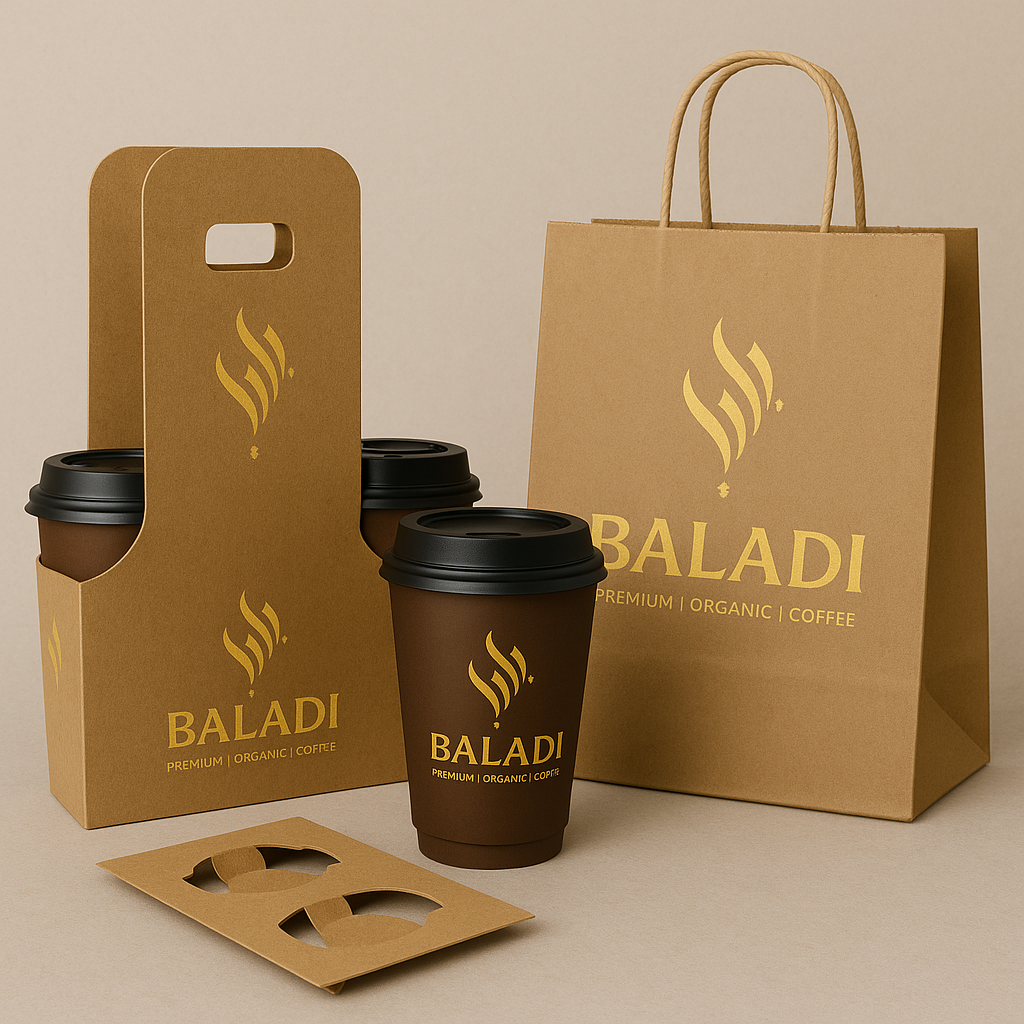
The Rising Consumer Mandate for Sustainable Coffee Paper Cups
How Millennials and Gen Z Turn Eco-Values into Purchase Decisions
Younger generations actively convert environmental principles into concrete buying behaviors. Millennials and Gen Z scrutinize packaging sustainability before purchasing beverages—68% have abandoned brands over poor eco-credentials (Deloitte 2024). Their decisions are driven by three interlocking factors:
- Value alignment: 62% exclusively choose brands with verified green practices
- Social influence: Eco-conscious choices gain peer validation through social media sharing
- Future accountability: 59% view sustainable coffee paper cups as essential to reducing landfill contributions
This demographic commands $350 billion in collective spending power, compelling cafes to rethink packaging strategy. Coffee shops that adopt certified compostable paper cups report 27% higher customer retention among these groups.
Data Spotlight: 74% of Gen Z Pay More for Sustainable Coffee Paper Cups
New research confirms Gen Z’s premium commitment to sustainability: 74% willingly pay 10–15% more for beverages served in certified eco-friendly coffee paper cups—prioritizing climate impact over cost. Comparative generational data reveals stark contrasts:
| Generation | Premium Payment Willingness | Primary Sustainability Driver |
|---|---|---|
| Gen Z | 74% | Climate impact reduction |
| Millennials | 61% | Brand ethics alignment |
| Gen X | 39% | Local community benefits |
This willingness stems from acute climate awareness—81% rank single-use packaging among the top environmental threats. Coffee shops implementing transparent sustainability reporting see 33% higher Gen Z patronage, proving ethical packaging directly influences venue selection.
Environmental Reality Check: Lifecycle Impact of Coffee Paper Cups
Disposable vs. Reusable: Carbon, Waste, and Leakage Metrics Compared
Life-Cycle Analysis (LCA) studies reveal nuanced trade-offs. While paper cups often carry a lower carbon footprint than plastic counterparts during manufacturing and transport—and recycling them cuts emissions by 54% versus landfill disposal—they still fall short of reusable alternatives. Reusable cups outperform disposables after just 15 uses on carbon impact. Critically, leakage remains systemic: less than 1% of disposable coffee paper cups are recycled, largely due to contamination and fragmented collection infrastructure. Though paper cups generate 23% less landfill volume than plastic ones, they continue to feed global packaging waste streams.
Compostable and Recyclable Coffee Paper Cups — Material Limits and Infrastructure Gaps
Plant-based linings now replace traditional polyethylene in many sustainable coffee paper cups—but material innovation alone is insufficient. Compostable versions require industrial facilities to break down properly; most municipal systems lack the capacity or protocols to process them. Recycling infrastructure lags further: only 30% of U.S. facilities accept paper cups, and contamination rates exceed 40%. Without parallel investment in industrial composting networks and specialized recycling, even purpose-built eco-cups frequently end up landfilled or incinerated—mirroring the fate of conventional options. True sustainability demands progress across both material science and waste management systems.
Strategic Brand Advantage Through Authentic Coffee Paper Cups Sustainability
Brands embedding authentic sustainability into their coffee paper cups gain measurable advantage in a saturated market. When consumers perceive genuine environmental commitment—not performative “greenwashing,” but demonstrated through certified materials, supply chain transparency, and third-party verified claims—they respond with stronger loyalty, higher willingness to pay, and organic advocacy. This trust drives repeat purchases and positive word-of-mouth, especially among Millennials and Gen Z. Beyond retention, it elevates brand positioning—differentiating operators who invest in credible solutions from those relying on conventional or superficially “eco” alternatives. For coffee shops and retailers, committing to truly sustainable coffee paper cups is therefore both an environmental imperative and a strategic investment in long-term brand equity.
FAQs
Why do Millennials and Gen Z prefer sustainable coffee paper cups?
Millennials and Gen Z prefer sustainable coffee paper cups because they value environmental responsibility and want brands that align with their eco-friendly values. They also respond positively to social influence and future accountability.
How much more are Gen Z willing to pay for sustainable coffee paper cups?
Gen Z is willing to pay 10–15% more for beverages served in certified eco-friendly coffee paper cups, highlighting their commitment to sustainability.
What are the main challenges with recycling coffee paper cups?
The main challenges include low recycling rates due to contamination and a lack of infrastructure, as only 30% of U.S. facilities accept paper cups and contamination rates exceed 40%.
How can brands gain a strategic advantage with sustainable coffee paper cups?
Brands that authentically commit to sustainability using certified materials and transparent practices can gain customer loyalty, increased willingness to pay, and positive word of mouth, especially among younger generations.