
 EN



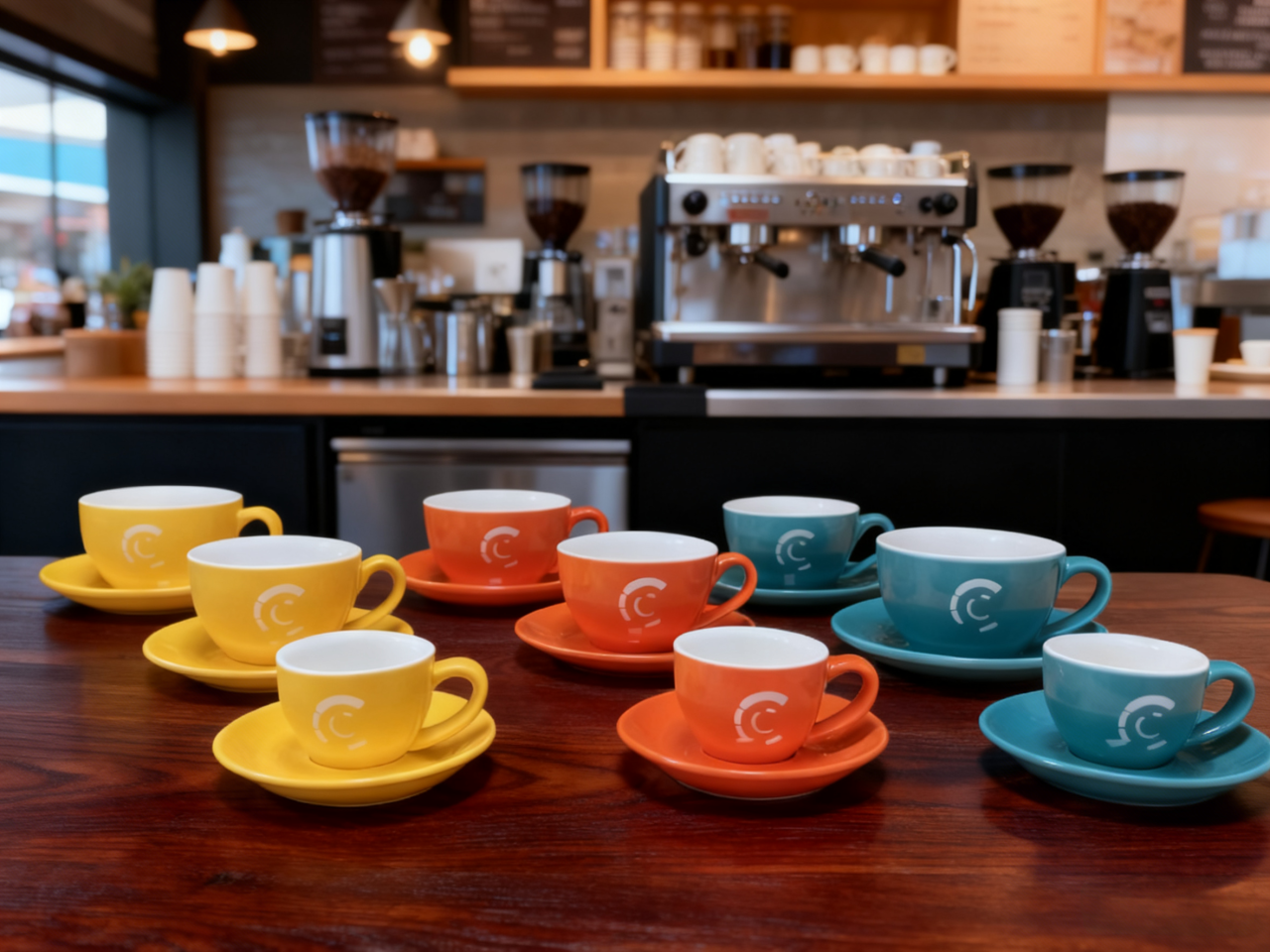
Flavor Neutrality: How Ceramic Cups Preserve Coffee Authenticity
Non-porous surface chemistry and retention of volatile aromatic compounds
Ceramic cups preserve coffee’s authentic flavor through their inert, glazed surface—chemically neutral and non-porous. Unlike reactive metals or absorbent materials, ceramic prevents coffee oils from embedding and turning rancid, eliminating cross-contamination between brews. Its dense, closed-pore structure also traps delicate volatile compounds—esters and aldehydes responsible for fruity, floral, and nutty notes—slowing their evaporation. As confirmed by the Coffee Quality Institute (2022), ceramic vessels retain 23% more key aroma compounds after 10 minutes than paper cups, directly enhancing sensory richness. For specialty cafés serving single-origin coffees, this fidelity ensures the roaster’s intended profile remains intact from first sip to last.
Sensory comparison: ceramic vs. glass, stainless steel, and disposable cups in professional espresso tasting
Professional tasters consistently rank glazed ceramic as the gold standard for flavor neutrality. In a 2023 blind evaluation by the European Sensory Network, ceramic outperformed all common café materials in flavor fidelity and aftertaste purity—glass ranked second, while stainless steel and disposables fell significantly behind.
| Material | Flavor Neutrality | Aroma Retention | Aftertaste Purity | Common Tasting Note |
|---|---|---|---|---|
| Glazed ceramic | Very high | High | Clean, no metallic | Pure, unaltered origin character |
| Glass | High | Moderate | Clean, slightly cooler | Bright, transparent but faster cooling |
| Stainless steel | Low-Medium | Low | Can be metallic | Harsh, lingering metallic note |
| Paper/Disposable | Low | Very low | Papery, woody | Flat, muted, often cardboard-like |
Glass offers excellent chemical inertness but cools ~30% faster than ceramic, dulling heavier aromas as temperature drops. Even food-grade stainless steel can impart subtle metallic notes that suppress chocolate or caramel tones—a flaw repeatedly flagged by Q-graders. Disposable cups leach fibers and absorb volatiles, flattening acidity and sweetness. When showcasing premium espresso, only ceramic reliably delivers the balanced, nuanced experience the roaster designed.
Optimal Thermal Performance for Consistent Beverage Service
Engineering heat retention: wall thickness, material density, and ideal serving temperature (65–70°C)
Ceramic’s thermal performance is engineered—not accidental. Wall thickness (ideally 4–6 mm) creates a conductive buffer, slowing heat loss while protecting hands. Higher-density bodies—especially in stoneware—store more thermal energy per unit volume, releasing it gradually. Specialty coffee associations recommend serving at 65–70°C: warm enough to volatilize key aromas, cool enough to avoid scalding and preserve perceived sweetness. Well-designed ceramic cups maintain this optimal range for over 10 minutes in ambient café conditions—ensuring consistent flavor delivery across every sip.
Porcelain vs. stoneware: real-world thermal decay data from high-volume café simulations
A 2023 high-volume café simulation tracked black coffee in preheated 200 ml porcelain and stoneware cups at 22°C ambient. Stoneware’s higher density and typical wall thickness delivered markedly slower thermal decay:
| Time (min) | Porcelain (°C) | Stoneware (°C) |
|---|---|---|
| 0 | 70.0 | 70.0 |
| 5 | 63.1 | 66.8 |
| 10 | 56.2 | 63.5 |
| 15 | 49.8 | 60.1 |
| 20 | 44.5 | 56.9 |
Stoneware kept coffee above 60°C—the “flavor-sweet spot”—for 12 minutes, nearly double porcelain’s 7-minute window. For cafés with order-ahead workflows or variable pickup timing, stoneware provides a more reliable, high-fidelity experience without requiring reheating or compromising taste.
Tactile Quality and Brand Alignment in Customer Experience
The tactile experience of ceramic shapes perception before the first sip. Its smooth, slightly warm glaze and substantial weight signal craftsmanship—contrasting sharply with the flimsy or cold feel of alternatives. Research by Peck & Wiggins (2006) shows tactile cues significantly increase emotional engagement and purchase intent; Aradhna Krishna (2012) further established that texture directly influences perceived quality and trust. When customers lift a well-made ceramic cup, the neural response reinforces authenticity and care—subtly communicating brand values like intentionality and premium standards. That physical resonance builds deeper connection and lasting loyalty far beyond functional utility.
Operational Durability: Ceramic Cups Built for Café Workflow
Chip resistance, dishwasher longevity, and breakage rates across commercial-grade ceramic cup types
Commercial-grade ceramic cups are engineered for real-world café demands—not just aesthetics. High-fired porcelain delivers superior chip resistance due to its vitrified, uniform density, outperforming more porous stoneware in edge durability. Independent testing confirms fully glazed porcelain withstands over 2,000 commercial dishwasher cycles before glaze degradation begins (Foodservice Equipment Durability Study, 2023). Breakage rates reflect this resilience: high-volume cafés report an average annual replacement rate of just 1.8% for porcelain, compared to 3.5% for stoneware and up to 12% for glass. This durability stems from controlled thermal expansion and structural consistency—minimizing stress fractures during rapid temperature shifts. For operators, durable ceramic translates directly to lower replacement costs, reduced waste, and unwavering presentation quality—day in, day out.
FAQ Section
Q: Why do ceramic cups preserve coffee flavor better than other materials?
A: Ceramic cups have a non-porous and chemically inert surface that prevents oil absorption and cross-contamination, while retaining volatile aroma compounds that enhance the coffee's taste.
Q: How does thermal performance differ between porcelain and stoneware?
A: Stoneware has higher density and thicker walls, resulting in slower thermal decay and longer temperature retention compared to porcelain.
Q: Are ceramic cups durable in a commercial setting?
A: Yes, high-fired porcelain ceramic cups withstand heavy use with excellent chip resistance and longevity, enduring over 2,000 dishwasher cycles.
Q: What makes the tactile experience of ceramic unique?
A: Ceramic's smooth glaze and substantial weight convey craftsmanship and quality, increasing customer engagement and perceived brand value.