
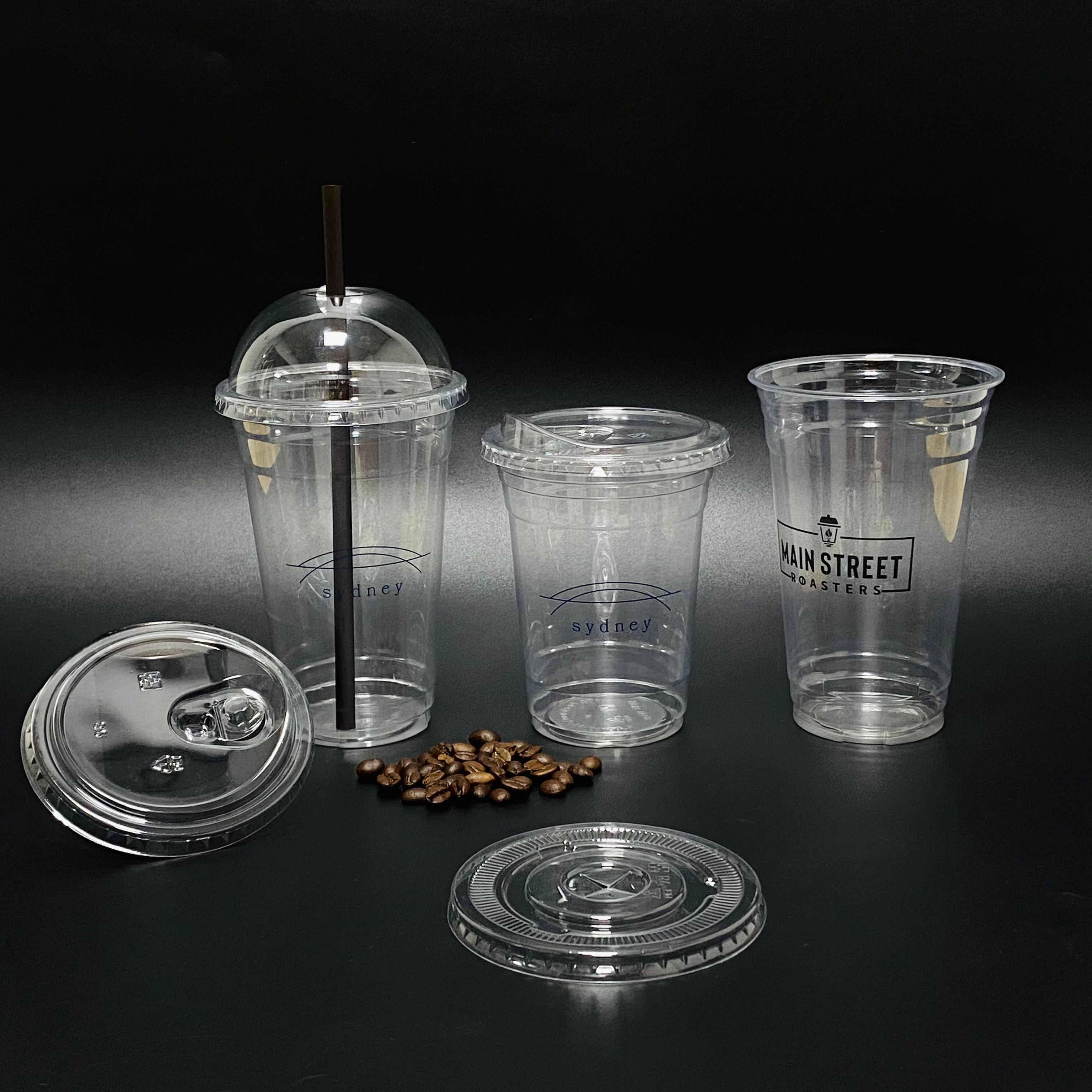
Key Performance Requirements for Plastic Cups for Cold DrinksThermal Conductivity and Condensation ControlPlastic cups for cold drinks must minimize condensation to ensure safe handling and visual appeal. PET and PP have inherently low thermal conduc...
VIEW MORE
Understanding Food-Grade Wax Papers: Safety, Compliance, and CertificationFDA 21 CFR §175.300 Requirements and What 'Food-Grade' Really MeansThe term “food-grade” is not marketing shorthand—it reflects strict regulatory compliance for mater...
VIEW MORE
Core Performance Requirements: Grease Resistance and Controlled BreathabilityWhy High Grease Resistance Is Essential for Pastries, Cookies, and CroissantsPastries, cookies, and croissants rely on butter, shortening, or oils—often comprising over 30% ...
VIEW MORE
Why Bar Glasses Matter: The Science Behind Drink Perception and Service QualityHow Glass Shape, Thickness, and Rim Design Alter Aroma Release, Temperature Retention, and Flavor DeliveryBar glass design is a precise sensory tool—not an afterthought. A...
VIEW MORE
How Bar Glasses Shape Sensory Experience: Aroma, Temperature & CarbonationAroma Capture: Why Tulip Bowls and Narrow Rims Optimize Volatile ReleaseAroma accounts for up to 80% of what we perceive as taste—making it the dominant driver of flavor percep...
VIEW MORE
What Are Wax Papers and How Do They Work?Wax papers are sheets of strong, smooth paper coated on one or both sides with a thin layer of food-grade wax—typically paraffin, soy, or beeswax. This coating creates a moisture-resistant, non-stick barrier w...
VIEW MORE
Why Coffee Degrades: The Core Enemies Targeted by Coffee Packaging BagsRoasted coffee is inherently unstable—its delicate aromas and flavors face relentless attack from environmental factors. Without a properly engineered coffee packaging bag, these ...
VIEW MORE
The Physics Behind Coffee Spills in Open vs. Covered ContainersWhen comparing open mugs to coffee paper cups and lids, the physics of containment reveals stark differences in spill resistance. Unlidded containers are highly susceptible to dynamic for...
VIEW MORE
Environmental Reality Check: Do Compostable Coffee Paper Cups Deliver on Their Promise?Life cycle assessment reveals hidden trade-offs: energy use, agricultural inputs, and marine safety vs. biodegradabilityLife cycle assessments show that compostabl...
VIEW MORE
The 1–2 Inch Buffer Rule for Reliable Cake Box SizingWhy standard cake box sizes fail for decorated, tiered, or irregularly shaped cakesStandard cake box sizing fails when interior dimensions match the cake board exactly—ignoring the cake’s true foot...
VIEW MORE
The Science of Bar Glasses: Aroma, Temperature, and Visual PerceptionGlass shape and volatile compound delivery: Engineering the nose-to-glass pathwayUp to 80% of flavor perception arises from aroma—not taste alone. Bar glass shape functions as a pre...
VIEW MORE
Why Structural Integrity Is Non-Negotiable in Premium Cake BoxesLoad-Bearing Design and Multi-Tier Support MechanicsFor premium multi-tiered cakes, the box isn’t just packaging—it’s a load-bearing structure. A failure under vertical pressure can coll...
VIEW MORE
 EN
EN

