
 EN
EN



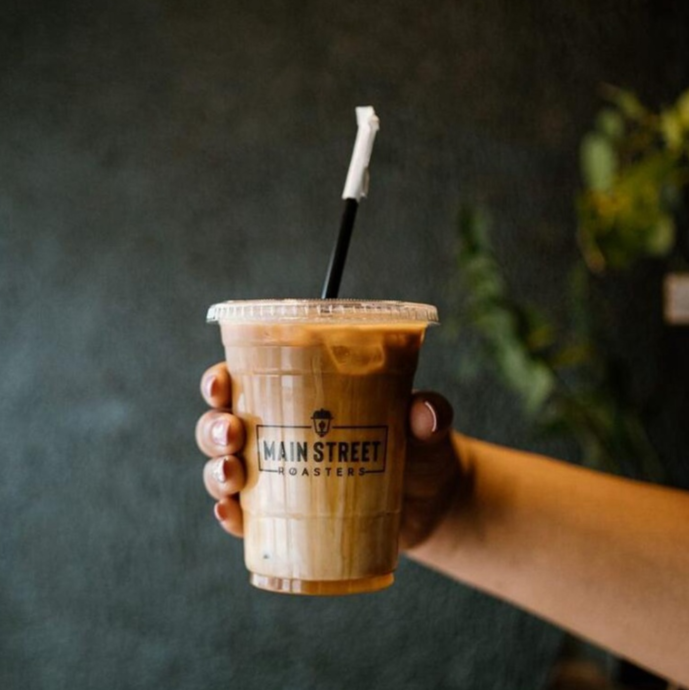
Understanding the Health and Safety Risks of Plastic Coffee Cups with Hot Drinks
Coffee cups made from plastic materials actually present real health concerns when filled with hot drinks because of how chemicals move out of them based on temperature changes. When temps go over around 70 degrees Celsius, certain chemicals called plasticizers such as BPA and phthalates start coming out of PET plastic cups. At similar temperatures, polystyrene cups release something called styrene, which has been connected to problems with both nerves and breathing systems. Polypropylene or PP plastic does better in heat resistance, holding up until about 120 degrees Celsius. Still, no plastic material stays stable forever once it hits those critical temperature points. Recent research shows these degraded plastics release tiny particles known as microplastics that seem to trigger inflammation at cell level. The situation gets even worse when manufacturers put extra stuff into the cups without labeling what they're adding. This means people working with these products might not know there could be hormone disrupting substances hiding somewhere along the production line.
| Material | Safe Temperature Threshold | Key Risks Beyond Threshold |
|---|---|---|
| Polystyrene (PS) | 70°C | Styrene leaching, linked to cancer |
| PET | 70°C | Plasticizer migration, hormone disruption |
| PP | 120°C | Hydrocarbon release, organ stress |
Operators must balance cost and safety by verifying food-grade certifications and avoiding ultra-cheap cups containing unregulated plasticizers.
Comparing Common Plastic Materials: PP, PET, and Polystyrene for Coffee Cups
Polypropylene (PP) as a Heat-Resistant and Food-Safe Option for Plastic Coffee Cups
Polypropylene or PP works pretty well for holding hot drinks since it can handle temperatures around 212 degrees Fahrenheit before starting to warp. The material has been approved by the FDA as safe for food contact, which means there's not much chemical transfer happening. A recent study from 2023 looked at this stuff and found that even when boiled, PP cups only released something like 0.01 percent of their additives maximum. When we compare PP to polystyrene, one big difference stands out: PP containers can go in the microwave safely. They also tend to hold up better against those little stress cracks that happen during shipping and handling. Still worth noting though, recycling options for polypropylene aren't as widespread as they are for PET plastics, despite being labeled as resin code number 5.
Polystyrene Risks: Performance vs. Health Trade-Offs in Hot Beverage Use
Polystyrene cups are great insulators, light on the wallet too, but there's a problem with the styrene they contain that raises health flags. A study by NIH back in 2023 showed something worrying - when coffee sits at around 85 degrees Celsius, styrene levels hit over 2.5 parts per million, which is actually 30 percent higher than what's considered safe for regular consumption. And it gets worse. These cups tend to crack easily after multiple uses, plus chemicals migrate into beverages faster when someone drinks something acidic like orange juice or tomato soup from them repeatedly.
PET and Polyethylene Coatings in Disposable Plastic Coffee Cups
PET, which stands for Polyethylene Terephthalate, is known for being clear and relatively easy to recycle since it carries Resin Code #1. However, when temperatures go over about 49 degrees Celsius (that's around 120 Fahrenheit), the material starts to get soft, so it doesn't work well for things like coffee or tea. A lot of single use cups actually combine PET with some kind of polyethylene lining inside to keep liquids from seeping through. The problem here is that these mixed materials make recycling much harder than if they were just pure PET. Studies looking at how materials break down show something concerning too. These polyethylene coatings seem responsible for roughly two thirds of all microplastics coming off containers used for hot drinks.
Material Comparison Summary: Safety, Heat Resistance, and Suitability
| Material | Max Temp Tolerance | Recyclability | Chemical Risk | Cost (per 1k units) |
|---|---|---|---|---|
| PP | 212°F (100°C) | Limited (#5) | Low | $18–$22 |
| Polystyrene | 185°F (85°C) | Rare (#6) | High | $12–$15 |
| PET | 120°F (49°C) | High (#1) | Moderate | $15–$18 |
PP offers the best balance of safety and performance for hot drinks, while PET is better suited for cold beverages. Polystyrene remains controversial despite its economic appeal.
Food-Grade Certifications and Regulatory Standards for Safe Plastic Coffee Cups
FDA and EU Standards for Food Safety Compliance in Plastic Cup Manufacturing
Plastic coffee cups need to meet certain standards if they want to keep consumers safe when it comes to food contact materials. According to the FDA regulation 21 CFR 177, there are specific rules about the types of polymers that can be used in food packaging. These include tests for how well the material holds up at temperatures around 100 degrees Celsius. Meanwhile over in Europe, things get even tighter under the EU Framework Regulation EC No 1935/2004. They have much lower limits on substances migrating into drinks – just 0.05 milligrams per kilogram for styrene and a mere 0.01 mg/kg for BPA when dealing with hot beverages. Companies selling their products worldwide face quite a challenge keeping track of both sets of rules. And watch out for 2025 because new EU guidelines will start requiring tests for microplastics in any cup that touches liquid warmer than 70 degrees Celsius.
How to Verify Food-Grade Certifications on Plastic Cup Packaging
- Check resin codes: Prioritize #5 (PP) and #1 (PET) for compatibility with hot liquids
- Request compliance documents: Confirm suppliers provide valid FDA or EU approval letters
- Review testing reports: Ensure data includes thermal stability assessments, such as 30-minute exposure at 95°C
Third-party audits by ISO 22000-certified laboratories enhance credibility and reduce regulatory risk.
Labeling Clarity and Transparency in B2B Supplier Documentation
Proper labeling matters a lot in business settings these days. When products show what temperatures they can handle (like "works with up to 90 degree Celsius liquids") and have proper food contact certifications, companies stay on the right side of regulations. The numbers back this up too - businesses without clear docs face about 41% higher legal risks in their contracts with other companies, as reported by the Global Food Safety people last year. Getting straight answers from suppliers isn't just good practice, it helps buyers make smart choices and keeps those food safety standards intact across operations.
Performance and Practicality of Plastic Coffee Cups in Commercial Use
Leak-Proof Design and Structural Integrity Under Temperature Stress
The commercial plastic coffee cups we see everywhere are built to last, with those fused seams and strengthened rims that keep drinks from spilling all over the place. According to research from the industry, these polypropylene (PP) cups can handle pretty hot stuff, staying intact even at around 212 degrees Fahrenheit (which is 100 Celsius). That means they won't give way while someone is drinking their morning brew. Paper cups just don't stand a chance against this kind of heat resistance. When left sitting in warm storage areas, good quality plastic cups won't warp or bend like paper ones would. This makes them especially useful for busy coffee shops where hundreds of cups might sit waiting throughout the day, sometimes near steam machines or other heat sources.
Heat Resistance Comparison: Plastic vs. Paper vs. Ceramic for Coffee Service
| Material | Max Safe Temp | Insulation | Break Risk |
|---|---|---|---|
| Plastic (PP) | 212°F | Moderate | Low |
| Paper w/PLA | 185°F | High | Moderate |
| Ceramic | Unlimited | High | High |
While ceramic provides superior heat retention, plastic coffee cups outperform paper in both thermal tolerance and spill resistance. PP cups deliver a practical middle ground, maintaining brew temperature without the chemical degradation seen in polystyrene options.
Durability and Practicality of Plastic Cups for Takeaway and Delivery
Commercial kitchens tend to go with plastic cups when it comes to takeout and delivery orders because they won't break like ceramic ones do, plus they weigh around 60% less which makes them easier to handle. According to research published last year by a logistics firm, switching from paper to plastic containers cut down on damaged goods claims during transportation by about one third. The fact that plastic resists moisture is another big plus too since coffee or soup stays dry even if deliveries get delayed somewhere along the line. For busy restaurants trying to keep things running smoothly throughout rush hours, this matters quite a bit for maintaining customer satisfaction levels.
FAQ
What are the health risks associated with using plastic coffee cups for hot drinks?
Plastic coffee cups can release harmful chemicals like BPA, phthalates, and styrene when used with hot drinks, especially at temperatures above 70°C. These chemicals can lead to hormone disruption and other health issues.
Which plastic material is safest for hot beverages?
Polypropylene (PP) is considered safer for hot beverages as it has a higher heat resistance and releases fewer chemicals compared to other plastics like PET and polystyrene.
Can plastic coffee cups be recycled?
Recyclability depends on the material. PET is highly recyclable, while polypropylene has limited recycling options, and polystyrene is rarely recycled.
How do food-grade certifications ensure the safety of plastic coffee cups?
Food-grade certifications require plastic cups to meet specific standards for chemical migration and thermal stability, ensuring they are safe for food contact.
Table of Contents
- Understanding the Health and Safety Risks of Plastic Coffee Cups with Hot Drinks
- Comparing Common Plastic Materials: PP, PET, and Polystyrene for Coffee Cups
- Food-Grade Certifications and Regulatory Standards for Safe Plastic Coffee Cups
- Performance and Practicality of Plastic Coffee Cups in Commercial Use
- FAQ