
 EN
EN



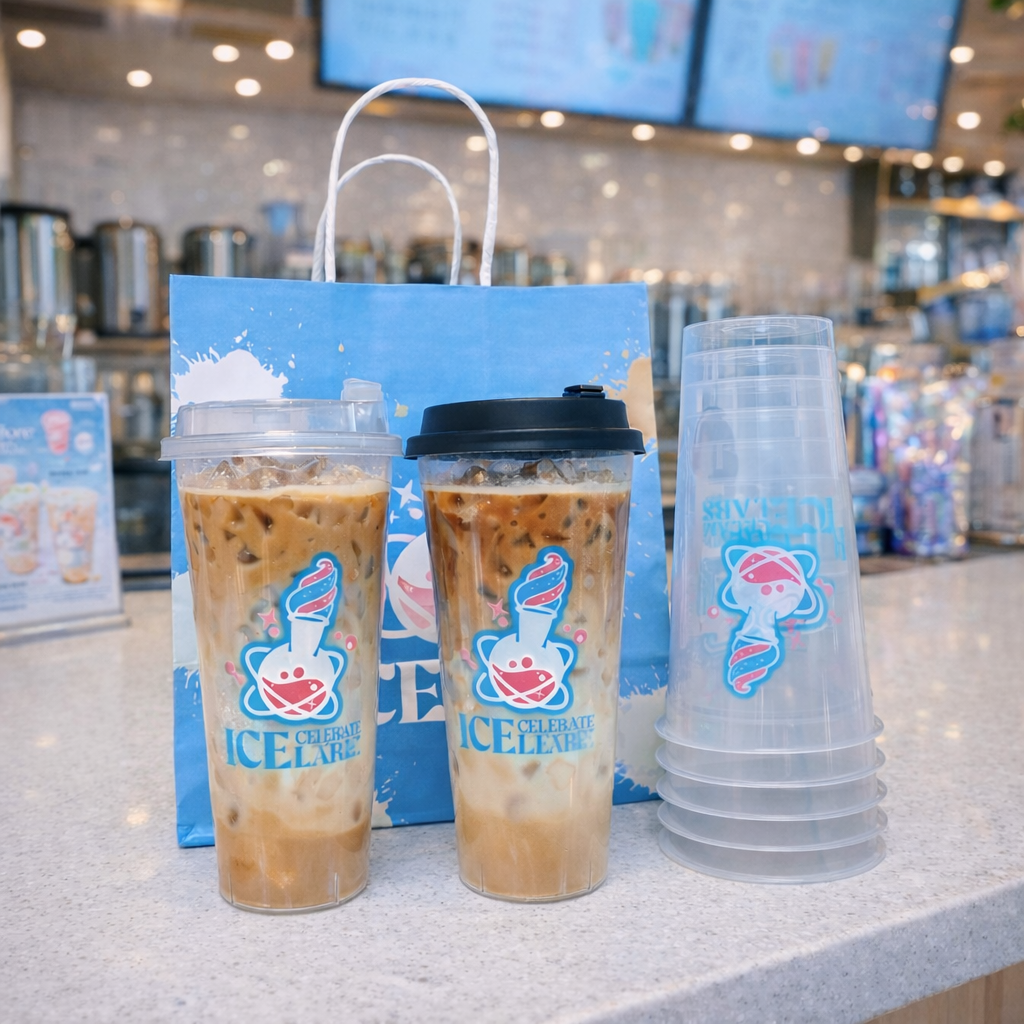
Regulatory Frameworks for Plastic Coffee Cups with Lids
FDA CFR Title 21 Requirements for Food-Contact Plastics Used in Hot Beverages
Plastic coffee cups with lids fall under FDA regulation according to 21 CFR Part 177. This rulebook requires thorough testing of all polymer materials meant to touch food products. When it comes to regular coffee temps between around 85 and 95 degrees Celsius, these materials need to stay stable enough so they don't release dangerous substances beyond what's considered safe limits. Take polypropylene, the #5 PP plastic commonly used in such containers. Before getting approved, it has to go through migration tests where food-like substances are used as substitutes. The standards here are pretty tough too - after sitting in these test conditions for two hours at 100 degrees Celsius, any chemical transfer related to cancer risks should be below 0.5 parts per billion. There are also some serious limitations on additives allowed in production. Vinyl chloride monomer gets completely banned from the mix, whereas acrylonitrile content can't go past 11 parts per billion maximum. Companies producing these items have to prove they meet all these standards through independent lab checks that measure how much stuff actually leaches out when subjected to heat stress. All these regulations exist primarily to make sure people drinking their morning brew from plastic cups aren't accidentally consuming something toxic just because of the container itself.
EU Regulation (EC) No 1935/2004 and LFGP Compliance for Plastic Coffee Cups with Lids
The European safety rules set out in Regulation (EC) No 1935/2004 actually put much tighter restrictions on chemical migration compared to what we see in the United States, particularly when it comes to containers meant for hot liquids. For plastic coffee cups complete with lids available across the EU market, there's a strict limit of just 0.01 milligrams per kilogram for BPA transfer and only 0.05 mg/kg allowed for styrene release. These numbers sit at around 50 times below what the FDA permits in America. Then there's Germany's LFGB regulations which go even further by requiring comprehensive checks for heavy metals plus sensory tests to make sure nothing affects the taste or smell of food products. Looking ahead, starting from 2025, the EU will be rolling out brand new microplastic regulations that demand extra testing for particles released from materials when they're subjected to temperatures over 70 degrees Celsius. To stay compliant with all these requirements, manufacturers need thorough tracking of every material used and must produce a legally binding Declaration of Conformity (DoC). This document confirms that not just the main body but also all those small parts like lids, inner linings, and adhesive compounds comply with the constantly changing standards for food contact safety.
Material Safety Risks in Plastic Coffee Cups with Lids
BPA, Phthalates, and Modern Alternatives: Leaching Potential at Coffee Temperatures (85–95°C)
Coffee that's piping hot actually speeds up how chemicals move from plastic parts into our drinks. Studies on toxicity show that substances like Bisphenol A (BPA) and phthalates found in older plastics can mess with hormone systems even at really tiny levels, around 0.1 micrograms per liter. Most companies have switched to BPA free options these days such as Tritan or plant based plastics, but new testing shows some of these replacements might still let out hormone disrupting stuff when they come into contact with acidic, hot coffee. Want to stay safe? Probably best to think about what kind of cups we're using for our morning brew.
- Choose cups labeled “phthalate-free” with recycling codes 2 (HDPE) or 5 (PP)
- Prefer third-party certified plant-based PLA liners
- Avoid reusing single-use containers
Thermal Degradation of PP #5 and PS #6 in Real-World Use of Plastic Coffee Cups with Lids
Repeated thermal cycling causes structural breakdown in common cup materials:
| Polymer | Recycling Code | Max Safe Temp | Degradation Risk at 90°C |
|---|---|---|---|
| Polypropylene | 5 PP | 135°C | Microplastic shedding after 15+ uses |
| Polystyrene | 6 PS | 70°C | Styrene leaching (up to 11.5 µg/L) |
Polypropylene (5) remains stable at typical coffee temperatures but releases microplastics when scratched, microwaved, or subjected to repeated heating. Polystyrene (6) begins deforming below serving temperature—releasing styrene monomers classified by IARC as probable human carcinogens. Lifecycle assessments show PS cups degrade 3.2× faster than PP equivalents under daily use.
Lid-Specific Safety Considerations for Plastic Coffee Cups with Lids
Polypropylene (5 PP) Lid Performance Under Repeated Thermal Stress and Sealing Integrity
The #5 polypropylene lids we commonly see on coffee cups really struggle when they're used over and over again with hot drinks around 85 to 95 degrees Celsius. Studies have shown that this constant heating and cooling actually breaks down the material at a molecular level. After about fifty uses, these lids become significantly more brittle - roughly 40% according to research published in Polymer Degradation Studies back in 2023. What happens next is pretty concerning. The lid starts to warp, creating tiny gaps where liquid can leak out and bacteria might get inside. At the same time, stress cracks develop which let harmful chemicals from the plastic escape into our drinks. While the FDA does approve polypropylene for one-time use with hot beverages, people keep reusing them anyway. A recent survey from 2024 revealed that nearly seven out of ten consumers reuse their disposable coffee cups three times or more, way beyond what's considered safe based on current standards.
Emerging Safer Alternatives: Silicone, Stainless Steel, and Bamboo Lids
Non-plastic lid options demonstrate superior thermal resilience and reduced leaching risk:
| Material | Max Temp Tolerance | Leaching Risk | Reusability |
|---|---|---|---|
| Silicone | 230°C | Negligible | 500+ cycles |
| Stainless Steel | 400°C | None | Permanent |
| Bamboo Composite | 120°C | Low (binders) | 100 cycles |
Silicone lids retain flexibility across 200+ thermal cycles without degradation; stainless steel offers zero chemical migration and indefinite service life; bamboo composites provide biodegradable performance for cooler beverages. Market data shows a 300% increase in non-plastic lid adoption since 2021—a trend driven by heightened safety awareness and regulatory scrutiny.
FAQ
What regulations govern plastic coffee cups with lids?
Plastic coffee cups with lids are regulated by the FDA under 21 CFR Part 177 in the US and by Regulation (EC) No 1935/2004 and LFGB in the EU.
What are the potential safety risks of using plastic coffee cups?
The main risks include chemical leaching such as BPA and phthalates at high temperatures, and microplastic shedding from PP or styrene leaching from PS under repeated use.
What are safer alternatives to plastic lids?
Safer alternatives include silicone, stainless steel, and bamboo lids, which show reduced leaching risks and greater thermal resilience.